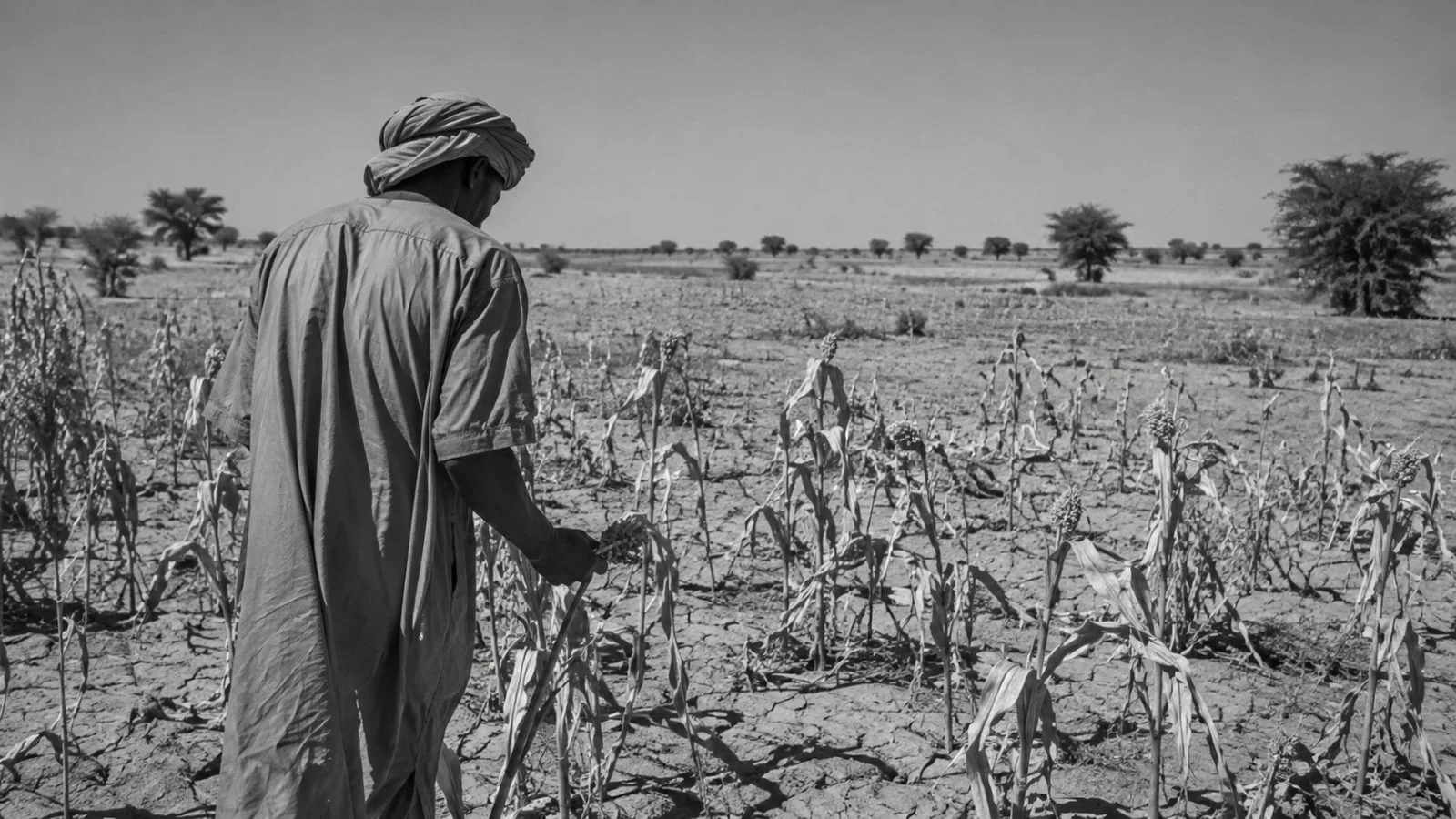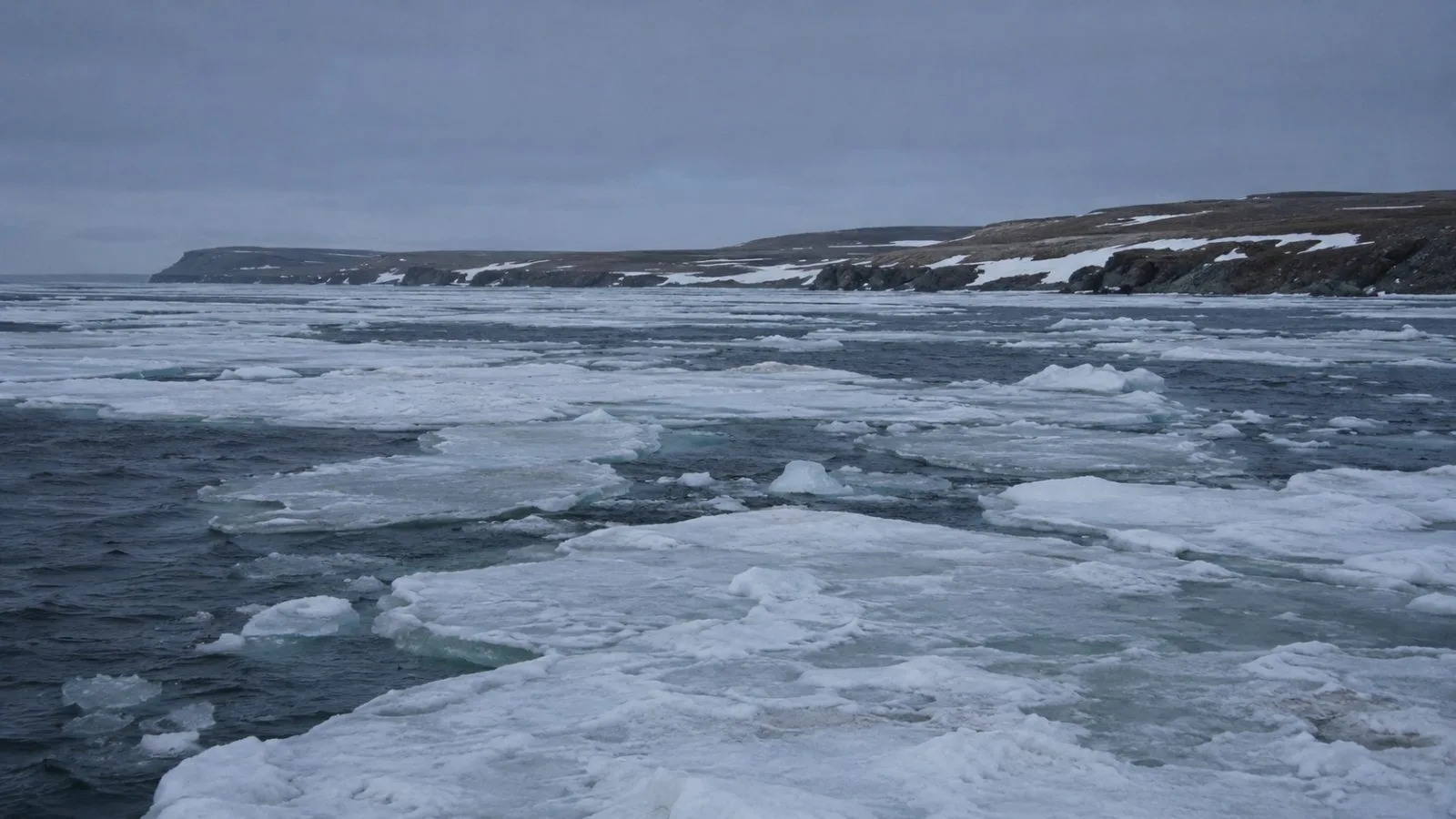
Reduced winter ice in the Barents-Kara seas was associated with drier summer conditions across parts of Eastern Europe and Central Asia, a study found, pointing to a possible input for drought outlooks.
Published Nov. 12 in Frontiers in Water, the study traced the association from eastern Romania, Moldova and Ukraine through the northern Black Sea and Caspian regions into Kazakhstan. The authors say the findings may inform probabilistic drought outlooks, but the analysis does not establish physical causation or support a deterministic forecast for any particular summer.
The researchers tested the relationship using composite analysis, information-flow diagnostics and autoregressive models. Within the statistically significant drought-affected area, all three methods supported the link in 54.1% of the area. Information-flow analysis found significant support in 65.1%, while autoregressive testing supported the relationship in 81.1%.
A separate analysis of ERA5 reanalysis data from 1941–2024 found circulation anomalies spanning the North Atlantic and Eurasia, including an anticyclonic pattern north of the Caspian Sea. The authors associate this circulation with persistent dry conditions along the corridor; they also found that cloud cover declined there.
For the study’s Eastern Europe–Caspian–Kazakhstan domain, May-to-September net surface shortwave radiation averaged 5.35 watts per square meter higher in reduced-ice years than in high-ice years. The cloud-radiative component accounted for about 57% of the difference.
The core comparison matched October-through-March sea-ice concentration with May-through-September drought conditions for 1901–2017. The drought measure, the Standardized Precipitation–Evapotranspiration Index, accounts for both rainfall and the atmosphere’s demand for moisture. The authors also adjusted variables for the long-term rise in atmospheric carbon dioxide to reduce the chance that shared climate trends alone explained the relationship.
The paper notes that summer conditions matter for agriculture, water availability and economic stability in the region, but it does not estimate economic losses. The historical sea-ice reconstruction spans 1851–2017; the authors caution that observations before about 1950 are less complete and more uncertain. They did not examine what drove the decline in Barents-Kara winter ice, assess other Arctic sea-ice regions or quantify soil-moisture feedbacks. They identify targeted climate-model experiments as a next step.