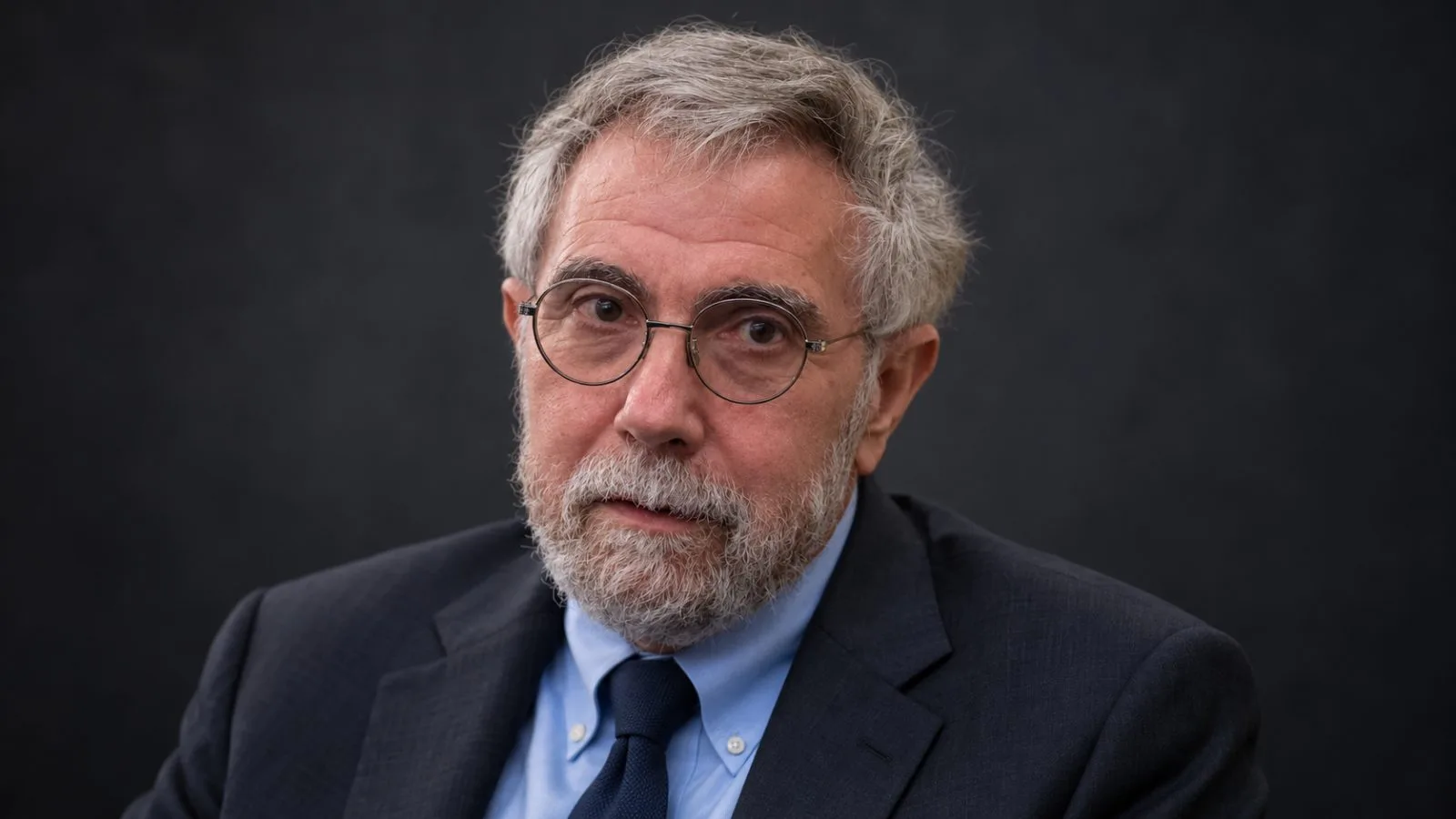
Paul Krugman argued that two Trump-era positions — chip sales to China and MAGA’s backing for Russia’s attempt to conquer Ukraine — reflect different motives but both weaken U.S. security, in his view.
In his Nov. 12 post, Krugman divided the motives he sees into ideological affinity and financial interest. He argued that the distinction matters because both, in his account, can shape decisions affecting U.S. security.
On Russia, he pointed to MAGA’s and hard-right figures’ support for Russia’s attempt to conquer Ukraine, saying it reflected admiration for Vladimir Putin’s political model. He described possible future business deals after a Russian victory as secondary and said Trump had benefited financially from his Russia connection in the past.
Krugman characterized Putinism as a model built around authoritarian rule, social illiberalism and business rewards for oligarchs with political ties. He said Trump, Elon Musk and other hard-right figures viewed those features as desirable.
His argument on China emphasized financial incentives. Krugman said he did not see China’s system as a model for MAGA beyond its authoritarian element, and linked the administration’s decision to permit significant sales of advanced chips to China and buyers close to its government to money flowing to Trump and his projects.
Krugman wrote that the United States may be losing the technology competition with China and described advanced chips as one of its few clear advantages.
He also accused the Trump administration of trying to prevent scrutiny of what he called a national security threat involving Nvidia CEO Jensen Huang. Krugman cited Nvidia’s $25 million contribution to Trump’s ballroom and said the AI industry appeared to have directed hundreds of millions of dollars toward Trump. He argued that people around Trump sought to protect Huang partly because they feared scrutiny would damage an industry that had become a major source of financial support.
Krugman said he could not determine whether the conduct he described met the legal standard for treason, while using the term as a moral judgment.