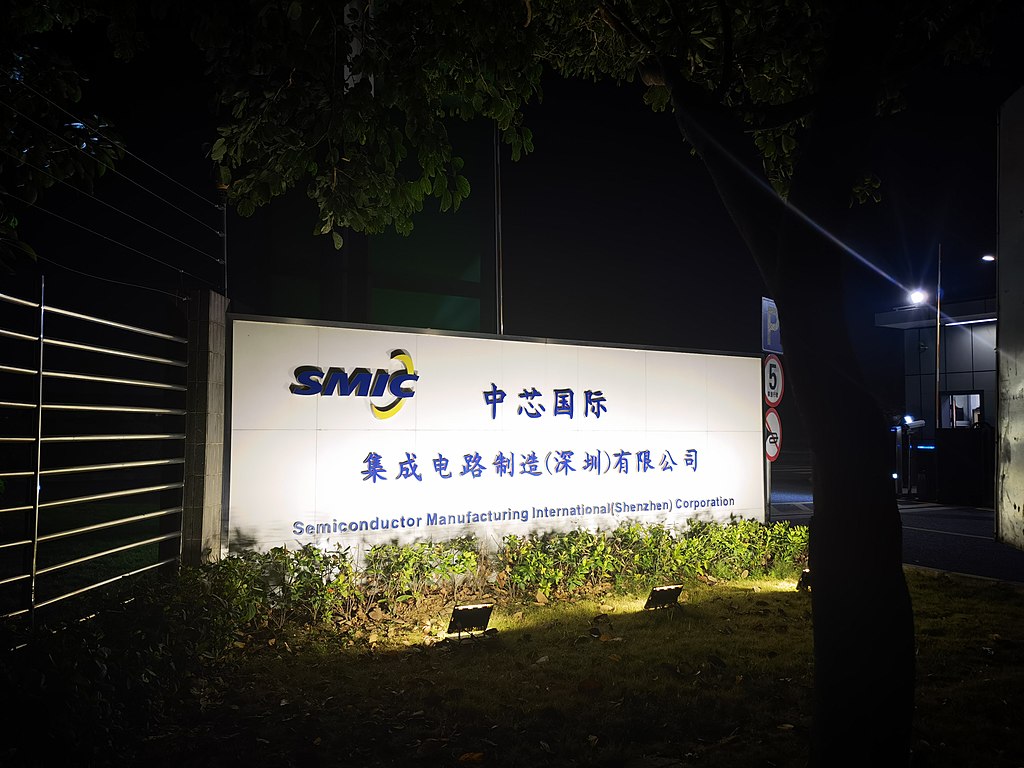
Semiconductor Manufacturing International Corp (HK:0981), China’s largest chipmaker, is conducting trials on the country’s first domestically built advanced chipmaking equipment, according to the Financial Times. The deep-ultraviolet (DUV) lithography machine, developed by Shanghai-based start-up Yuliangsheng, is being tested to produce chips for artificial intelligence applications.
DUV lithography machines are vital for manufacturing advanced semiconductors, and China’s push toward local production comes amid heavy reliance on foreign suppliers. Until now, Chinese firms depended on Dutch chip equipment giant ASML Holding NV (AS:ASML), which dominates the global lithography market. However, U.S. export restrictions have barred Chinese companies from accessing ASML’s most advanced tools, particularly extreme ultraviolet (EUV) machines essential for producing cutting-edge processors for companies like NVIDIA (NASDAQ:NVDA).
By developing domestic DUV technology, China aims to reduce dependence on Western equipment and navigate U.S. technology export controls. Success in these trials could mark a significant step toward self-reliance in semiconductor manufacturing, a sector at the center of global tech rivalry.
The move also aligns with Beijing’s broader call to expand the use of domestically produced chips. Recent U.S.-China trade tensions have further spotlighted the strategic importance of semiconductor independence. This development has already fueled a rally in Chinese semiconductor stocks, with investor optimism growing through August.
Despite the promising progress, sources cited by the Financial Times noted that it remains uncertain if and when the new machine will be adopted for mass production. If successful, the project could significantly boost China’s position in the global AI chip race and reshape the competitive landscape of semiconductor manufacturing.