


 Greenland Lawmakers Back Trump Security Deal Despite Economic Concerns
  Trump Sanctions International Criminal Court, Sparking EU Backlash
  Zelenskiy Offers Russia Energy Truce Amid Trump Pressure
  NATO Commander Warns Russia of Devastating Response to Attack
  Most Americans Oppose Election Betting on Prediction Markets, Poll Finds
  Mahmoud Abbas Postpones Palestinian Elections to September 2027
  Trump Calls for Zelenskyy Replacement Amid Russian Diesel Deal
  Trump Denies Russia and China Are Helping Iran in U.S. Conflict
  Trump Announces Russia-Ukraine Energy Ceasefire as Zelenskiy Awaits Details
  Brazil Election: Lula and Bolsonaro Rally Ahead of October 25 Runoff
  Kim Jong Un Showcases ICBM Ahead of Possible Trump Meeting
  Pakistan Declares Emergency in Khyber Pakhtunkhwa, Suspends Imran Khan’s PTI Government
  Trump Plans White House Shake-Up of Key AI Safety Agency
  Trump Defends Russian Diesel Deal Amid US Sanctions Backlash
  UK Finance Minister Healey Calls for Fiscal Discipline Amid Global Risks
  US Judge Blocks Trump Administration’s Taxpayer-Funded Political Ads
  US Condemns China Sanctions on Taiwan Allies Belize and Paraguay


 Add as a preferred source on Google
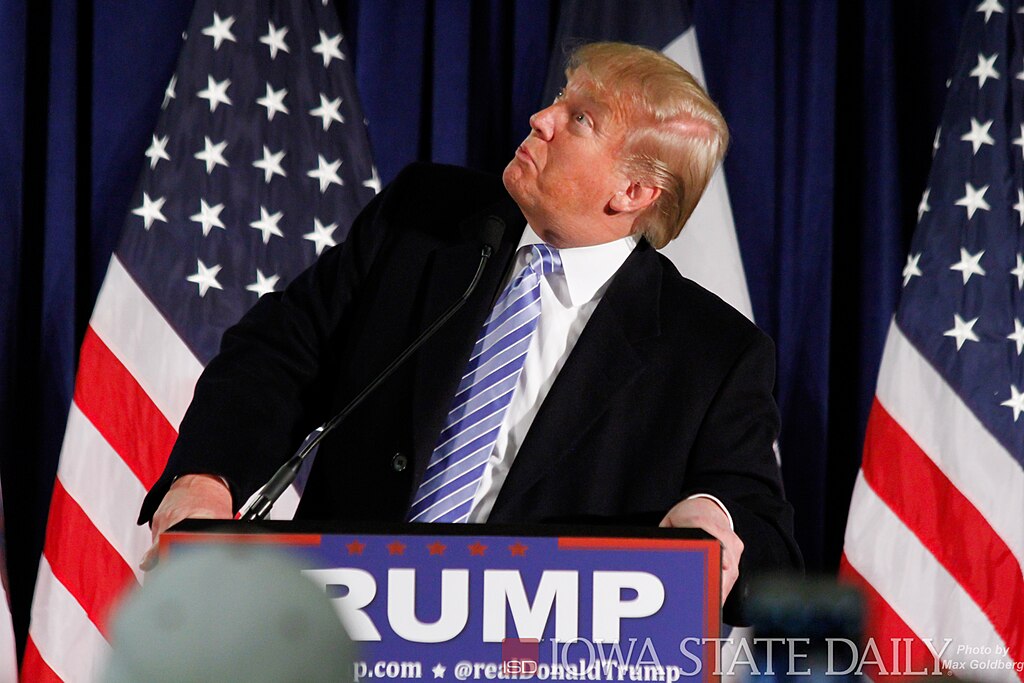
Donald Trump is rapidly closing the gap with Vice President Kamala Harris, especially on critical issues like the economy. While national polls show Harris maintaining a slim lead, Trump’s advantage on economic concerns is proving to be a decisive factor in swaying voters.
Polling data from RealClearPolitics and The Hill suggest that Harris holds a narrow lead, with her margin over Trump hovering between 3 to 4 percentage points. This slight edge was reflected in post-debate polling, where Harris saw her favorability ratings increase, with 45% of respondents viewing her positively compared to 39% before the debate. However, Trump’s focus on economic policies continues to resonate with voters, positioning him as a strong contender despite Harris’s lead.
A key finding from a recent CNN snap poll conducted after the debate shows that 55% of voters believe Trump would handle the economy better than Harris, compared to just 35% for the vice president. This 20-point advantage on economic issues highlights the former president’s enduring appeal among voters concerned about inflation, job creation, and economic stability. Trump's economic message, which emphasizes tax cuts, deregulation, and America-first trade policies, continues to strike a chord with a significant portion of the electorate, many of whom credit him with a stronger economy during his presidency.
Despite facing multiple legal challenges, Trump’s support remains resilient in key swing states. Polls from battleground states like Pennsylvania, Arizona, and Georgia show Trump gaining traction, particularly among rural voters and older demographics. This momentum underscores the importance of economic issues in the 2024 election, with many voters prioritizing their financial well-being over other policy concerns. The contrast between Trump’s economic platform and Harris’s proposals could be a deciding factor as the race narrows.
While Harris has made gains in favorability following the debate, her campaign faces challenges in convincing voters that her economic policies can deliver the stability and growth that Trump’s supporters claim he achieved during his time in office. The debate over economic policy could prove pivotal as the election approaches, with Trump’s advantage in this area posing a serious threat to Harris’s slim lead.
It is important to note that while the polls offer valuable insights into the current state of the race, these numbers can fluctuate as the campaign progresses. ECONOTIMES cannot independently verify any rumors or speculation regarding future shifts in voter behavior, but the data suggests that Trump remains a formidable force, particularly on the issue of economic management.
As both candidates continue their campaigns, the battle for the presidency is likely to intensify, with Trump’s economic message serving as a cornerstone of his strategy to regain the White House.
ECONOTIMES has reached out to representatives from both campaigns for comment, but no responses have been received as of this publication.







