


 GSR Commits $100M to Hare Onchain Credit Vaults
  Europol Warns Bitcoin Wallets Face Quantum Computing Risk
  DogecoinVM Makes DOGE Transactions 300x Faster
  Evernorth XRPN Nasdaq Listing Delayed to October 12
  Robinhood Buys $25 Million in Bitcoin for Corporate Treasury
  Iceland 4x4 Rental Guide: When Do You Really Need Four-Wheel Drive?
  Bitmine to Stop Ethereum Buying After Reaching 5% ETH Supply
  Kazakhstan and Tether Explore Tenge Stablecoin and RWA Tokenization
  Samsung Q3 Profit Hits Record High on AI Memory Demand
  Rising Rates Top Global Growth Risks as Wealthy Investors Favor Asia
  Nomura Asset Management Targets Global Investors as Japan Markets Gain Appeal
  TSMC Q3 Revenue Beats Estimates as AI Chip Demand Surges
  Litecoin Marks 15 Years as Grayscale Backs LTC ETF Push
  Amazon Cuts More Jobs as AI Investment Expands
  Levi Strauss Beats Q3 Profit Estimates, Raises 2026 Outlook
  US Grants Aurora Five-Year Exemption for Self-Driving Trucks
  Tencent Shares Fall as $5 Billion AI Bond Sale Weighed


 Add as a preferred source on Google


The consequences of climate change weigh on all of us, especially as we face an El Niño summer, with floods and fires already making themselves felt in the Australian environment.
But even outside of being directly effected, there is evidence that mere awareness of climate change can be detrimental to your mental health and wellbeing. Terms such as “climate change anxiety”, “eco-anxiety” and “solastalgia” are regularly used to describe the negative emotional states created by thinking and worrying about climate change and environmental destruction.
If just knowing about climate change is emotionally difficult, what is it like spending years focusing on and writing about the topic? Research has looked at the emotional impact close engagement with climate change can have on groups such as climate scientists and climate activists.
But little time has been given to writers of climate fiction, or “cli-fi” – a relatively new genre of fiction focused on climate change.
What can a genre do?
Cli-fi has been touted as one of the ways to help save the world, with an emphasis on how imagining our future might make us reconsider our relationship to the natural world.

Fictions in this genre have primarily imagined dystopian worlds where the very worst has happened and humanity is (often barely) surviving in flooded or desolate wastelands. These apocalyptic visions are meant to serve as warnings, to galvanise us to action, making sure this bleak future doesn’t happen.
This seems a good idea in theory, but do dystopian fictions help us engage with the climate crisis? An empirical study of the effects of climate fiction on readers’ attitudes or actions found little evidence that those who read cli-fi have a stronger engagement with environmental concerns.
There has been some discussion of the influence of these books on readers. But perhaps the value is not in the reading, but in the writing? Might writing provide emotionally supportive strategies for all of us? Can the act of writing itself counter “eco-anxiety”?
Waking in the night
We talked to 16 Australian and New Zealand authors of “cli-fi” , including James Bradley, Mireille Juchau and Jennifer Mills. Their responses made it clear that writing about a climate-changed future does more than bring up the anticipated negative emotions.
Of course, sitting with the climate crisis is challenging. It demands we wrestle with guilt, shame, responsibility, rage and despair. Writers of climate fiction are often drawn to the genre because they are already thinking about the climate and feeling anxious.
Clare Moleta said her climate anxiety was “a bit more concentrated” while writing her novel Unsheltered, but also that the manifestations of this anxiety were familiar to her:
I had waking patches in the night over that time, where I’d be very intensely imagining something and grieving it […] But to be fair, I do that anyway.
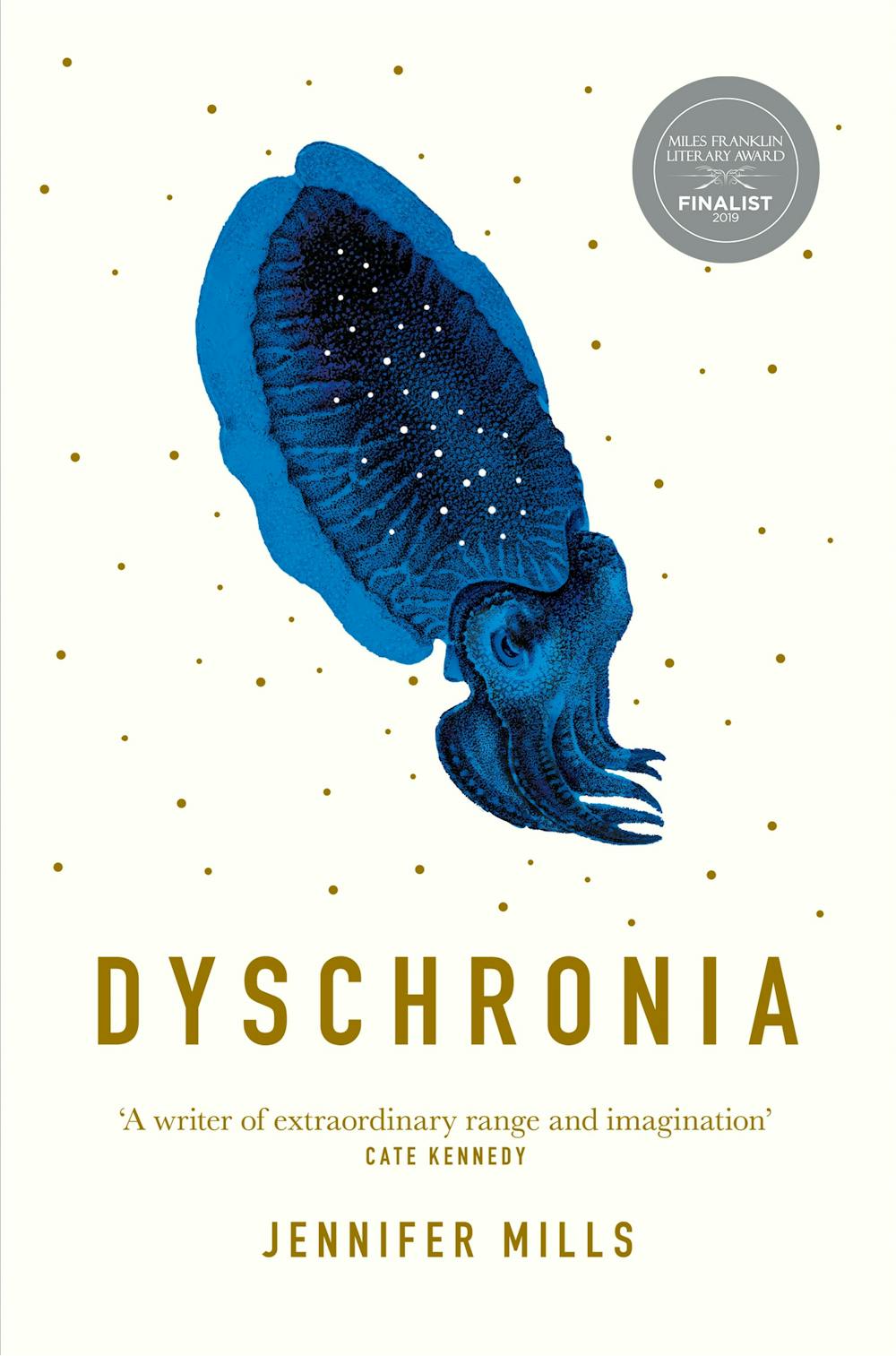
But many of the writers spoke of the writing process as helping, not exacerbating, their anxiety. For some, writing about climate change gave them a sense of purpose. Jennifer Mills, whose cli-fi novel Dyschronia was shortlisted for the Miles Franklin Literary Award in 2019, stated that “having a book to write gives you something to do. [It] makes you feel like you have some power over the events that are happening around you.”
Climate fiction can be a method of transforming anxiety into something useful. Miles Allinson says that “writing about my own fear put that fear to use, in a way that was, if not comforting, then at least energising”. He argues for the therapeutic aspect of imagining and writing one’s worst fears:
Sometimes when you turn towards something and start to live it, with all its difficulties and mystery, then something changes […] It’s actually not as hard as you sometimes think it will be. It’s sometimes more terrifying to close your eyes, I have found.
James Bradley, author of several works of speculative fiction, including Clade and Ghost Species, observed that the
process of imagining demands you to think about what happens next […] To imagine the complexity of the lived experience of what lies ahead, and to insist that life will go on and history will keep happening.
While peering into our climate-changed future can be emotionally difficult, Kate Mildenhall said it can help prepare us for what is to come:
We have to imagine ten years in the future and we have to imagine 50 years in the future. And if we do that, we are forearmed and we also begin to make small changes immediately, we don’t even know we’re making them, just to move towards or away from that future.
Imagining our future lives can offer a sense of hope. We are currently living with bushfires, floods, pandemics and the extreme challenges of the climate crisis; the future is our present and the ways we think about it will dictate the ways we act and cope.

Bushfires near Stacks Bluff, Tasmania. Matt Palmer/Unsplash
Theraputic benefits
Approaching writing about climate change as a process, rather than thinking about writing as a product produced by professional authors, is a new method for alleviating climate anxiety.
The mental health and wellbeing benefits of creative writing have been established. Studies have explored how writing can reduce anxiety in those affected by natural disasters. Much of the research in this area focuses on expressive writing or other similar therapeutic-focused techniques that produce quickly written and usually insular work, not intended for an audience.

This is different from the experiences of the writers interviewed here. Yet, as the writers quoted here have shown, the imaginative process of crafting fictional narratives about difficult topics comes with its own benefits.
In discussing their findings from one of the few studies to focus on the wellbeing effect of writing fictional narratives, Catherine Deveney and Patrick Lawson state: “it is in the craft of writing, the combination of technique and emotional catharsis, that some of the therapeutic benefits of writing can be found”.
We tend to think of writing as a professional activity, but it is an art form practised by amateurs as well as professionals. The 2022 National Arts Participation Survey found that one in seven Australians engage in creative writing. The value of such writing is more than its end product.
We need to shift from worrying about the effects of cli-fi texts to thinking about the benefits of writing creatively as we imagine our possible futures. As Mireille Juchau observes, the sense of control when writing on a difficult topic
helps to manage anxiety […] Whether it’s climate change, or something else, when I’m preoccupied, writing helps put some order into the chaos.







