


 Fungi are among the planet’s most important organisms — yet they continue to be overlooked in conservation strategies
  The world’s biggest trees could hold the secret to coping with drought
  Trump Signs Executive Order to Boost AI Research in Childhood Cancer
  Parasites are ecological dark matter – and they need protecting
  SpaceX’s Starship Completes 11th Test Flight, Paving Way for Moon and Mars Missions
  Rise of the Zombie Bugs takes readers on a jaw-dropping tour of the parasite world
  Senate Sets December 8 Vote on Trump’s NASA Nominee Jared Isaacman
  FDA Pilot Program Eases Rules for Nicotine Pouch Makers
  How America courted increasingly destructive wildfires − and what that means for protecting homes today
  NASA Artemis II: First Crewed Moon Mission Since Apollo Takes Four Astronauts on 10-Day Lunar Journey
  GesiaPlatform Launches Carbon-Neutral Lifestyle App ‘Net Zero Heroes’
  Ukraine minerals deal: the idea that natural resource extraction can build peace has been around for decades
  Blue Origin’s New Glenn Achieves Breakthrough Success With First NASA Mission


 Add as a preferred source on Google
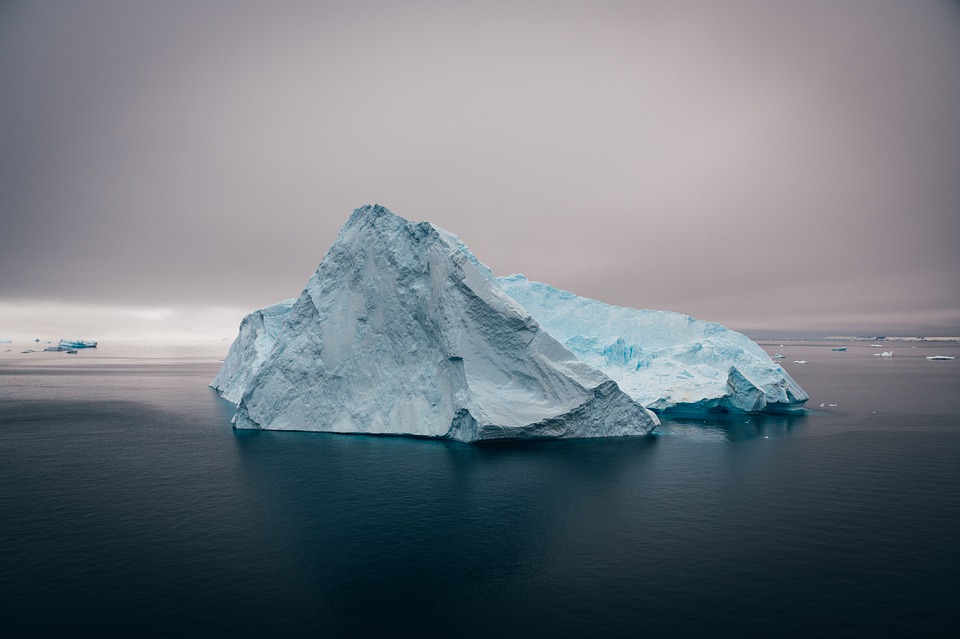
Climate change continues to become a concern as animals in the polar regions are slowly losing their homes, with carbon emissions playing a part in the warming temperatures. A NASA study has revealed the dire result of the current rate in carbon emissions to the climate.
A study spanning six years of analyzing climate models found that should the current rate of carbon emissions continue, the sea levels will experience a rise by a drastic 15 inches. The findings were published in the journal Cryosphere and the predictions are in line with the estimates given by the Intergovernmental Panel on climate change back in 2019.
The most recent results were from the Ice Sheet Model Intercomparison project led by the Goddard Space Flight Center at NASA.
According to project leader Sophie Nowicki of the University of Buffalo, “One of the biggest uncertainties when it comes to how much sea levels will rise in the future is how much the ice sheets will contribute. And how much the ice sheets will contribute is really dependent on what the climate will do.”
Their study found that under the current amount of carbon emissions, the region of West Antarctica will be hit the worst, suffering a significant loss of ice. The ice that would melt would cause sea levels to rise up by 7.1 inches or 18 centimeters by 2100. The 2019 report predicted that Greenland’s ice loss would lead to a sea level rise by 3.1 to 10.6 inche or eight to 27 centimeters.
The United States’ West Coast is experiencing wildfires over the recent weeks, but satellite images from NASA reveal that another force of nature is set on ravaging another part of the country. From wild fires to hurricanes in the form of Hurricane Sally have made a landfall with wind speeds of up to 85 miles per hour.
A few other hurricanes are seen over the Atlantic ocean as well as the images have shown. Hurricanes Paulette, Teddy, and Karina are seen converging in the body of water. Luckily, NASA revealed that Hurricane Paulette will not pose a threat on land and noted that it is unusual for these natural threats to be present in one photo.







