


 Chinese AI Stocks Rally After OpenAI Launches GPT-6 Astra
  Adobe Names Anil Chakravarthy CEO as AI Push Accelerates
  Trump Imposes New US Tariffs on Drone Imports Over National Security Concerns
  Trump Orders U.S. Navy to Return to Steam Catapults for Aircraft Carriers
  U.S. Probes Apex Logistics Over Nvidia AI Chip Shipments to China
  FAA to Pause Reagan National Airport Flights for Freedom 250 IndyCar Race
  SpaceX Delays Starship V3 Launch Ahead of Potential Record IPO
  Guatemala Receives 2,300 Mexicans Deported From US
  NASA Artemis II: First Crewed Moon Mission Since Apollo Takes Four Astronauts on 10-Day Lunar Journey
  OpenAI Nears Astra AI Model Launch With Safety Focus
  Countries Tighten Social Media Bans for Children
  SEC Sues Former Tricolor Executives Over $1.9 Billion Investor Fraud Scheme
  Trump Signs Executive Order to Boost AI Research in Childhood Cancer
  Trump Administration Moves to Strip ABA of Law School Accreditor Status
  Faraday Future Delivers First Robots in Middle East, Plans September Launches
  New Zealand Moves to Ban Social Media for Children Under 16
  US Sailor’s Father Detained by Immigration Authorities


 Add as a preferred source on Google
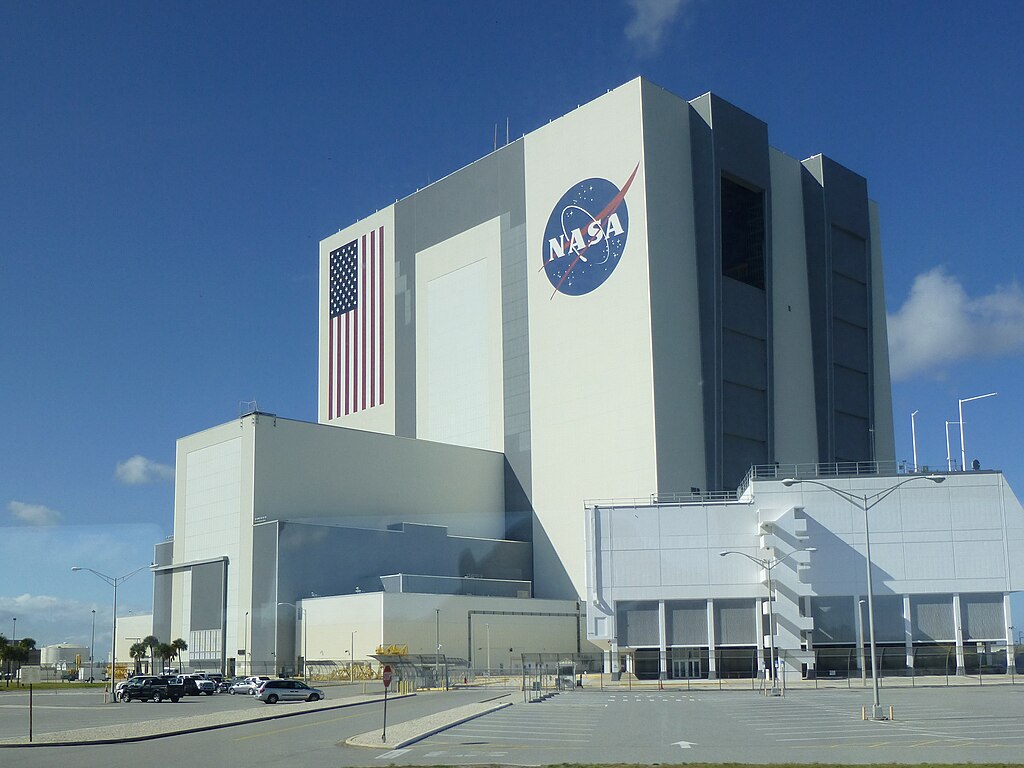
NASA is bracing for a significant workforce reduction, with roughly 20% of its employees expected to leave the agency in the coming weeks. According to a NASA spokesperson, about 3,870 staff members are anticipated to depart, potentially reshaping the future operations of the U.S. space agency.
The departures, which could fluctuate as plans are finalized, will reduce NASA’s workforce to approximately 14,000 employees. While the reasons behind the exits were not immediately detailed, the move highlights ongoing challenges faced by federal agencies in retaining skilled talent amid increasing competition from the private space sector.
NASA, renowned for its pioneering space exploration missions, including the Artemis program aimed at returning humans to the Moon, will need to reassess its staffing strategies to ensure continuity in current and future projects. The agency has been at the forefront of major initiatives such as Mars exploration, satellite launches, and advancing space technology, and the reduction in staff may place additional pressure on meeting mission timelines and goals.
Industry analysts note that such a substantial workforce change could impact collaboration with commercial partners like SpaceX and Boeing, as well as international programs involving the International Space Station. However, NASA is expected to implement measures to mitigate disruptions and maintain its leadership in space exploration.
The agency has not confirmed whether recruitment drives or restructuring plans will follow, but updates are anticipated as the situation develops.
This large-scale transition marks one of NASA’s most significant personnel shifts in years and underscores broader changes within the U.S. aerospace industry, where demand for experienced engineers and scientists continues to grow.







