As digital gaming constantly evolves, and much of the population is becoming more concerned about privacy and trust, cryptocurrency and blockchain are starting to redefine the rules for playing digital slot games. More than just a technical upgrade, this redefines the overall experience of online gambling. For a long time, the industry has been very traditional and often centralized; with the introduction of cryptocurrencies, not only are new payment methods introduced, but also a deeper layer of anonymity and transparency is quietly introduced.
How Blockchain Tech is Silently Shifting Things
Blockchain, the decentralized ledger, is at the center of this transformation. It logs transactions in a secure manner on many computers connected via a network. What makes blockchain particularly valuable in online gaming is its transparency and resistance to tampering. Every transaction, every win, loss, or payout is verifiable, recorded, and immutable. This removes a common scepticism: 'Can the system be rigged?' When applied to online slots, this becomes more than a technical feature;re, it becomes a trust factor.
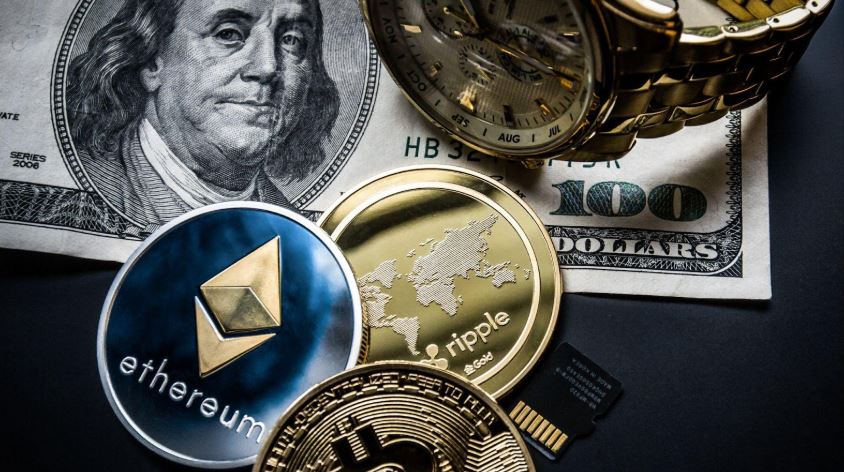
Players can play slots with cryptocurrencies such as Bitcoin or Ethereum right now, without the requirement to attach a bank account or give personal information. Transactions are linked to cryptographic wallet addresses rather than names and addresses. These addresses do not reveal the identity of a person, and that small difference gives a new level of privacy which is not usually available in standard online casinos.
This mix of being open and keeping things private might seem like a contradiction at first, but that’s where blockchain really works well. It’s like playing a game in a glass room; everyone can see what is happening, but nobody knows who you are.
The Role of Smart Contracts in Making Fair Play Better
The next application of this technology is smart contracts. These are self-executing contracts stored on the blockchain that trigger actions like spinning a digital reel or distributing winnings when specific conditions are met. The rules are coded in, and no one, not even the game developer, can alter them once they’re live.
This means when someone deposits cryptocurrency into a game’s smart contract to play, they are dealing with code that cannot be changed. The result of each spin is created through blockchain-verified algorithms, helping players trust that the game is truly random and fair. It’s somewhat like watching a vending machine drop your snack; you know it’s mechanical and unbiased.
Why Some Players Are Turning to Crypto-Based Slot Games
Many players are beginning to embrace this model. The appeal goes much beyond privacy. Quicker transactions, lower fees, and global access. Anyone in one country can easily join an online slot game that is hosted in some other country without banking hoops. Cryptocurrency knows no borders.
Some players seek even greater privacy, and for them, privacy-centric coins like Monero and Zcash go further and obscure more details of transactions to ensure maximum anonymity. This may be attractive for users who value discretion in their online activities, not out of secrecy but out of a desire for personal control over data. After all, not everyone is comfortable sharing financial details with centralized platforms, especially in entertainment spaces.
But while the gains are big, it’s right to ask if total anonymity is always helpful. Could it lead to reduced accountability or make more space for wrong use? Maybe. But the same applies to any tech that boosts privacy, from encrypted messaging apps to VPNs. The main point rests in smart building and usage.
All in all
Cryptocurrency is being integrated into blockchain-based slot platforms. This is not a minor trend but rather a sensible measure in response to increasing demands for privacy, fair treatment, and control over digital environments. The existence of decentralized technology enables these systems to further build player trust and lowers the friction encountered in the gaming process. Not every player may feel the need for this level of anonymity, but having the choice i, by itself, a very strong step.
With the evolution of the online gambling world, this new era based on open code and pseudonymous payments gives a different way to see how digital fun can honor user choices. Whether it's about ease, privacy, or a more trustworthy game time, blockchain slot games appear ready to softly change the rules.