


 Global Poll Shows Rising Trust in Institutions as US-China Leadership Support Falls
  Prince Harry, Elton John Ordered to Pay £9.54 Million in Daily Mail Legal Costs
  California Seeks Paramount Divestitures in Warner Bros. Merger
  US Judge Dismisses Imran Ahmed Deportation Lawsuit
  Lula, Flavio Bolsonaro Deadlocked in Brazil Election Polls
  TikTok, DOJ Reach $400 Million Children’s Privacy Settlement
  Trump’s Arlington Arch Project Faces New Court Restrictions
  Meta Agrees to $18 Billion Settlement, Tightens Teen Social Media Rules
  Saudi Arabia Shuts East-West Oil Pipeline After Drone Attack
  SEC Sues Former Tricolor Executives Over $1.9 Billion Investor Fraud Scheme
  Judge Blocks Trump Rule Limiting Foreign Student Visas
  France Targets Shein, Temu With Fast-Fashion Fees
  Nvidia-Groq AI Chip Deal Faces U.S. Antitrust Probe
  Europe can’t achieve space sovereignty alone. Here’s why
  Kim Jong Un Pledges Deeper Russia Cooperation


 Add as a preferred source on Google
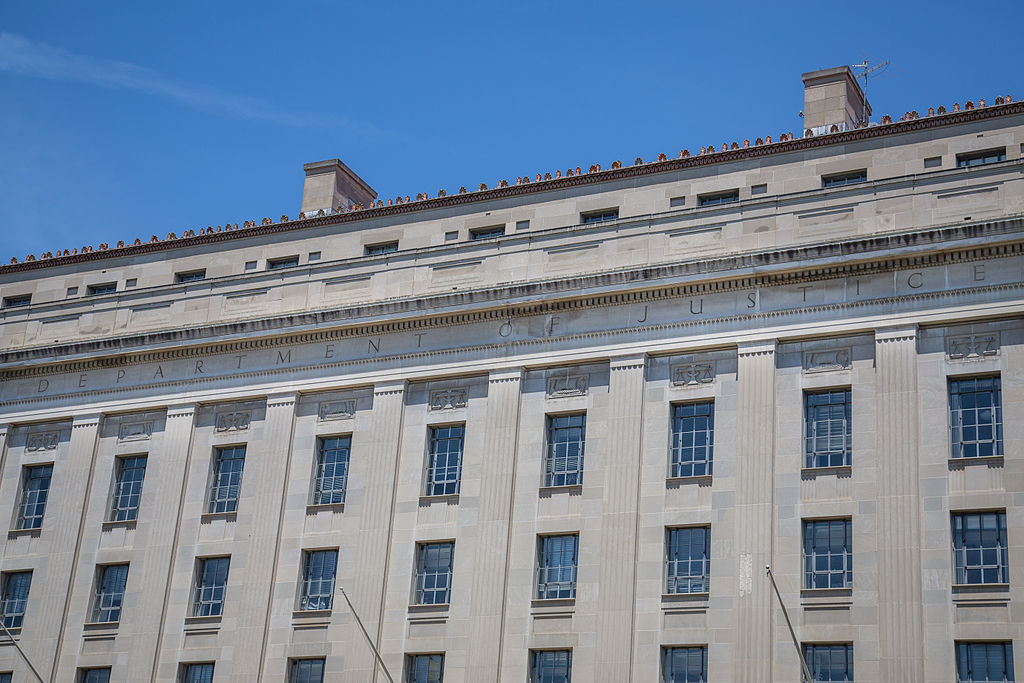
The U.S. Justice Department has rescinded an order establishing the controversial "Anti-Weaponization Fund" just days before the Senate Judiciary Committee is set to consider Todd Blanche’s nomination for attorney general, a move widely seen as addressing concerns raised by key Republican senators.
Acting U.S. Attorney General Todd Blanche announced on Sunday that he had revoked the May 18, 2026 order creating the fund. Blanche shared the signed order on X, confirming that the Justice Department had officially withdrawn the initiative before Tuesday’s Senate committee meeting on his nomination.
The decision follows objections from Republican Senators John Cornyn of Texas and Thom Tillis of North Carolina, who had delayed Blanche’s confirmation process while seeking written assurances that the Justice Department would not move forward with the fund.
The proposed Anti-Weaponization Fund had drawn criticism from opponents of President Donald Trump, who argued it could function as a taxpayer-funded mechanism to reward political allies. Critics labeled the initiative a potential "slush fund," raising concerns over how the money could be allocated and whether it might be used for partisan purposes.
Cornyn and Tillis maintained that eliminating the fund was a necessary condition for advancing Blanche’s nomination. Their opposition created uncertainty over the confirmation process, making the issue a key hurdle ahead of the Senate Judiciary Committee’s scheduled vote.
By rescinding the order, the Justice Department appears to have addressed one of the primary concerns blocking Blanche’s path to confirmation. The action could improve his prospects as lawmakers prepare to review his nomination.
The Senate Judiciary Committee is expected to meet on Tuesday to consider Blanche’s appointment as attorney general. The committee’s decision will determine whether his nomination advances to the full Senate for a confirmation vote.
The latest development underscores how policy decisions within the Justice Department can quickly become central issues in high-profile confirmation battles, with lawmakers closely scrutinizing departmental actions before approving senior leadership appointments.







