The Democratic Republic of the Congo’s Ebola outbreak has reached eight provinces, with contact teams following up on fewer than four in five listed contacts as Nigeria responds to a confirmed case.
By Oct. 19, the DRC’s National Institute of Public Health had tallied 9,637 confirmed cases and 4,646 deaths, a case-fatality rate of 48.2%. Cases had been reported in 66 of 178 health zones. EconoTimes previously covered the outbreak toll and barriers to response.
During the 24 hours that ended Oct. 19, officials added 85 cases and registered 44 deaths. Twenty-nine fatalities occurred in communities and 15 in treatment centers. No additional health zone was affected in that period.
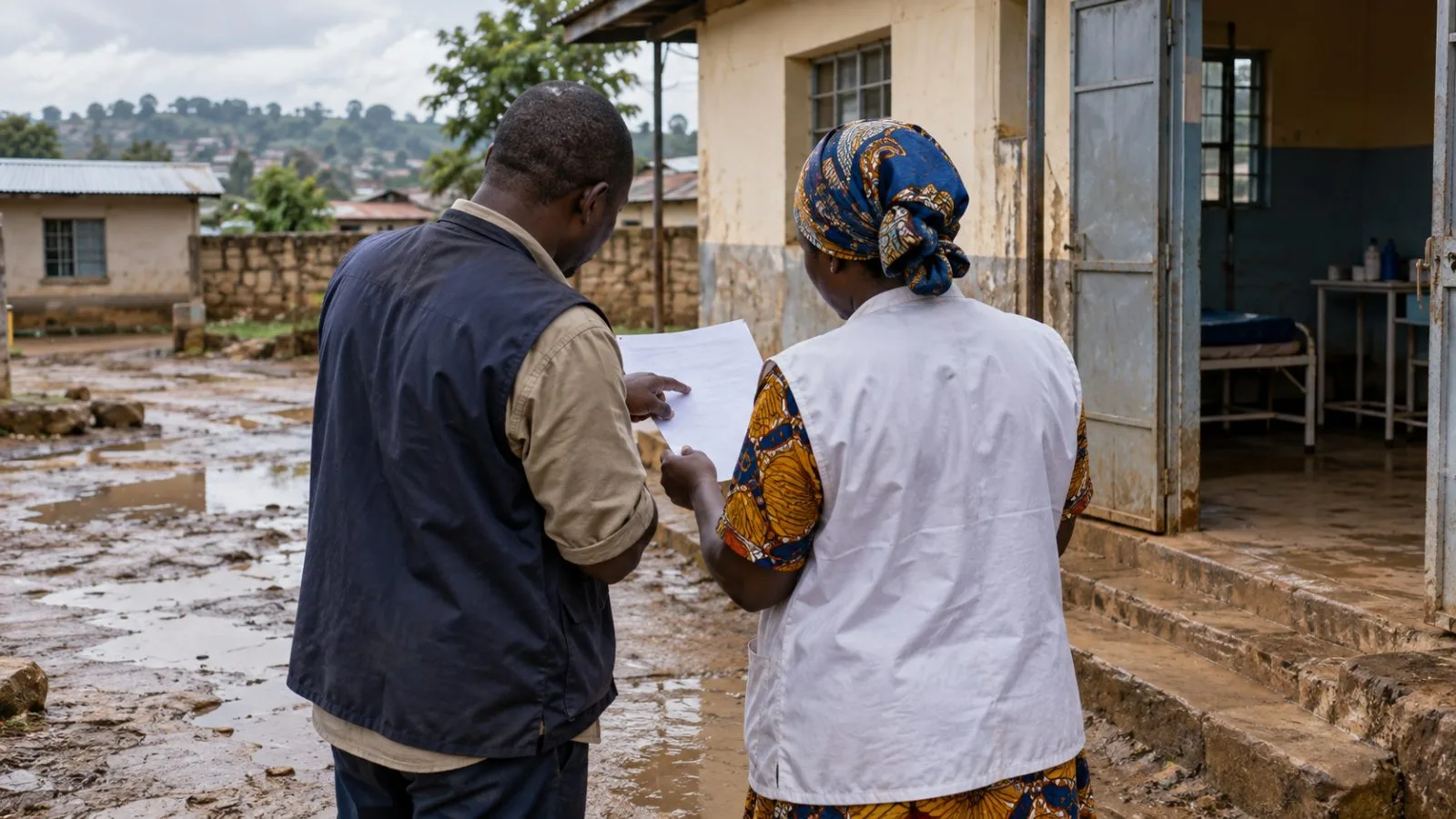
Contact monitoring reached 24,679 people from a list of 31,725, or 77.8%, below the 95% threshold, the report said. It cited insecurity, movement constraints, delayed provider payments and shortages of infection-prevention supplies as operational obstacles. Some checkpoints lacked a dedicated ambulance, the report said.
Nigeria’s Federal Ministry of Health and Social Welfare confirmed one Bundibugyo virus disease case in the Federal Capital Territory on Oct. 20. The WHO Regional Office for Africa said the ministry reported that the patient’s symptoms began Oct. 7, four days after she arrived in Nigeria, and that she received care in Abuja on Oct. 11. The ministry said authorities had identified 44 contacts.
Uganda’s Ministry of Health said the patient traveled to eastern DRC for business and passed through Uganda without symptoms before continuing to Nigeria, where she later became ill. Nigeria’s ministry and WHO cited recent travel to Uganda but did not confirm the DRC trip. Uganda’s ministry said her exposure location remained under investigation.
WHO says Bundibugyo virus caused the outbreak, which it describes as the largest Ebola outbreak recorded in the DRC and the country’s 17th. The agency says there is no licensed vaccine or specific treatment for Bundibugyo virus disease.