Dangote Group plans to invest about $50 billion from 2026 through 2030, its chief said, as he argued that electricity gaps and limited local financing constrain African manufacturing.
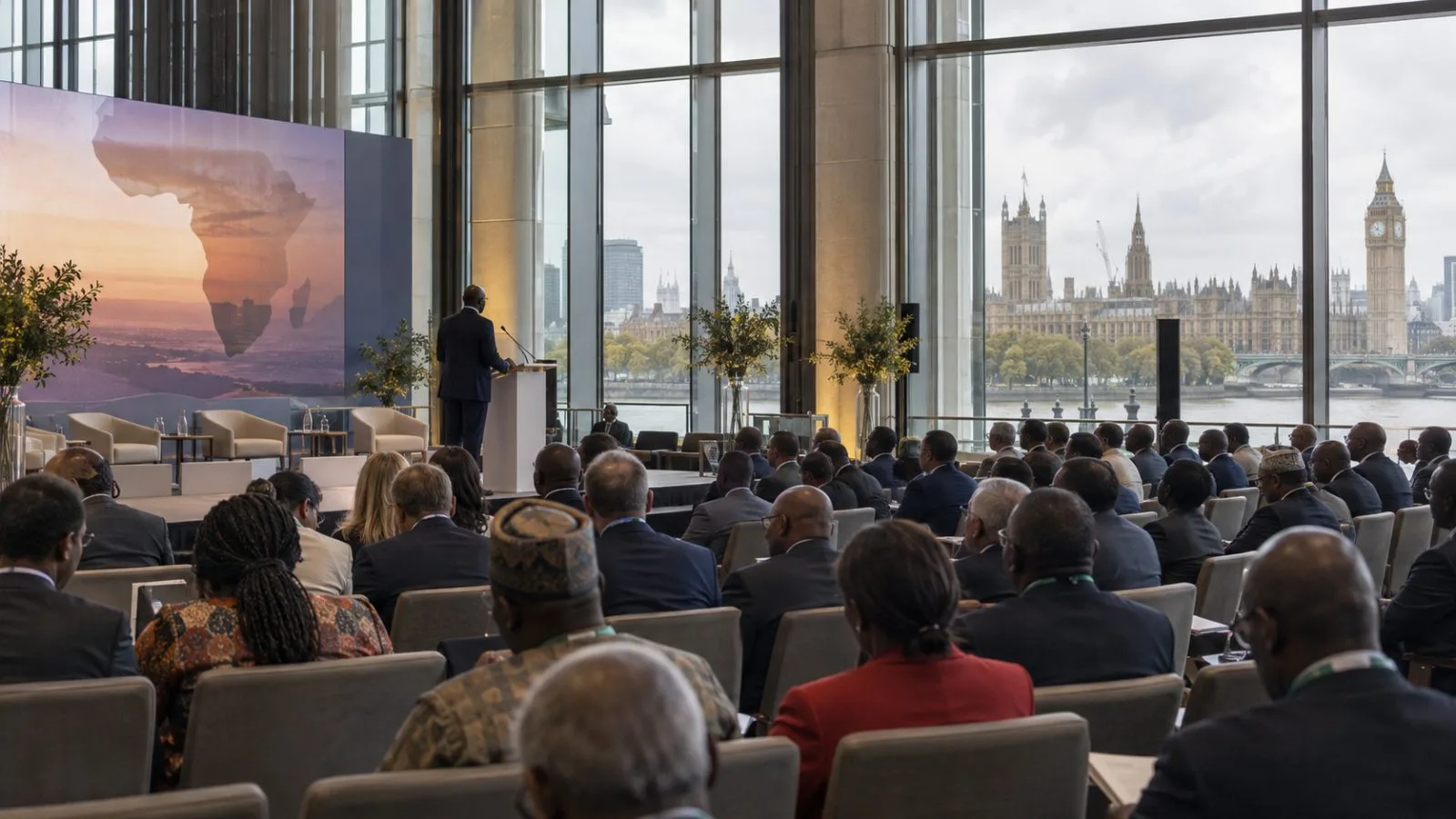
Aliko Dangote, president and chief executive of Dangote Group, spoke at the Financial Times Africa Summit in London, held Oct. 21–22. He described reliable power as Africa's most urgent need. “For Africa, what we need the most today is actually power,” he said, estimating that about 650 million Africans lacked access to electricity.
The International Energy Agency (IEA) estimated in a 2025 report that around 600 million people across Africa lacked electricity access. In a June 2026 update based on 2023 and 2024 data, the agency counted more than 560 million people without electricity in sub-Saharan Africa, within a worldwide total of 655 million. The estimates differ in timing and geographic scope and are not directly comparable.
IEA tracking put commitments to expand electricity access in sub-Saharan Africa below $2.5 billion in 2023. The agency's scenario for universal access by 2035 calls for about $15 billion in annual investment. Its 2025 report also found that private finance made up less than 30% of tracked electricity-access financing flows in sub-Saharan Africa in 2023.
Dangote pointed to the Dangote Petroleum Refinery as an example of the financing challenge, saying conventional project finance was difficult to secure and the group funded the project from its balance sheet. He argued that stronger African financial institutions could help finance large industrial projects. His explanation linked power shortages to limited mineral processing and weak local finance to obstacles in funding major developments.
He also urged governments to support emerging African manufacturers against what he called unfair competition from outside the continent, while allowing freer trade among African countries under the African Continental Free Trade Area. He presented local producers as beneficiaries of that approach. Reports on the investment plan do not specify its allocation by sector or country or how the $50 billion would be financed.