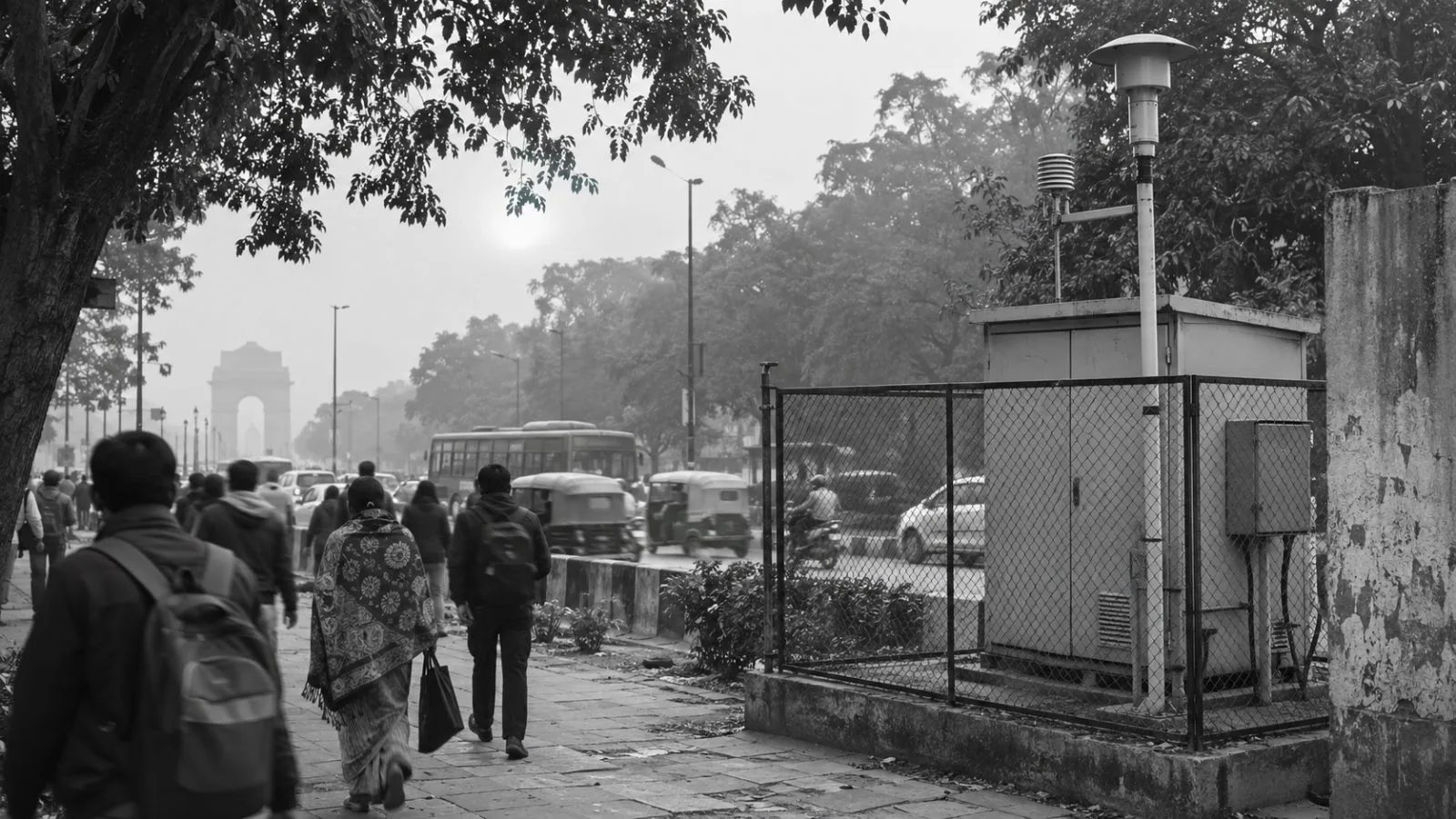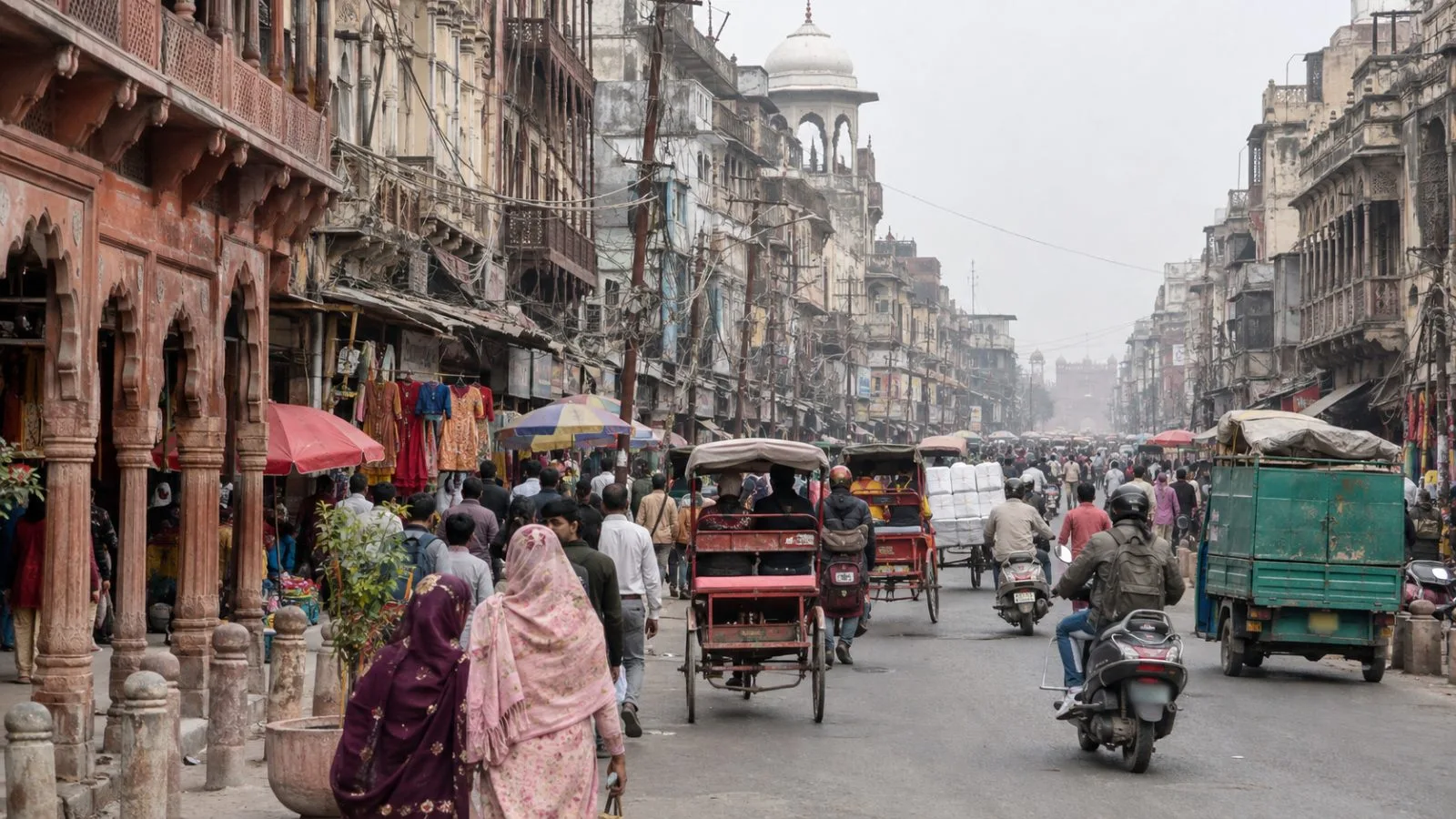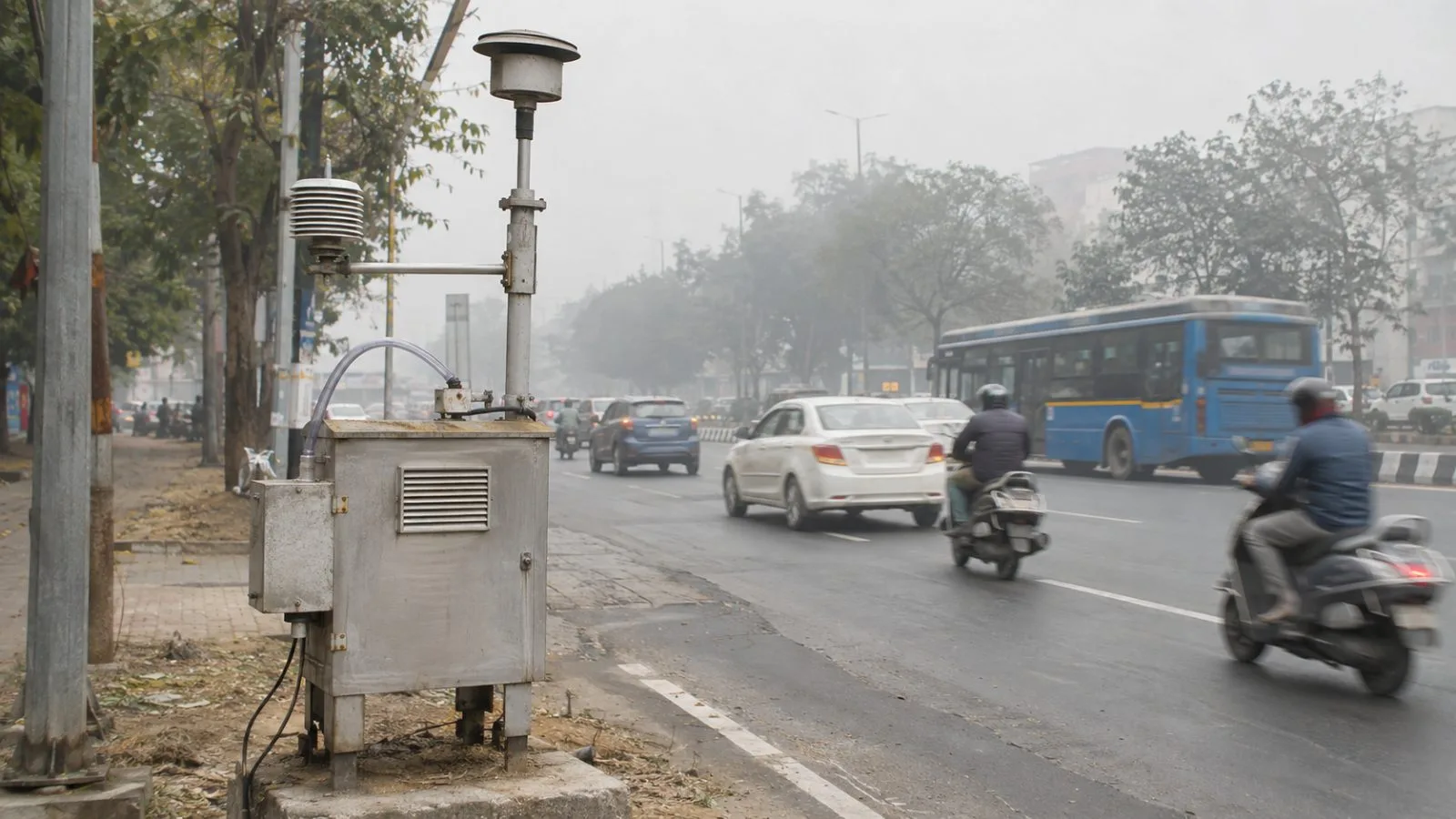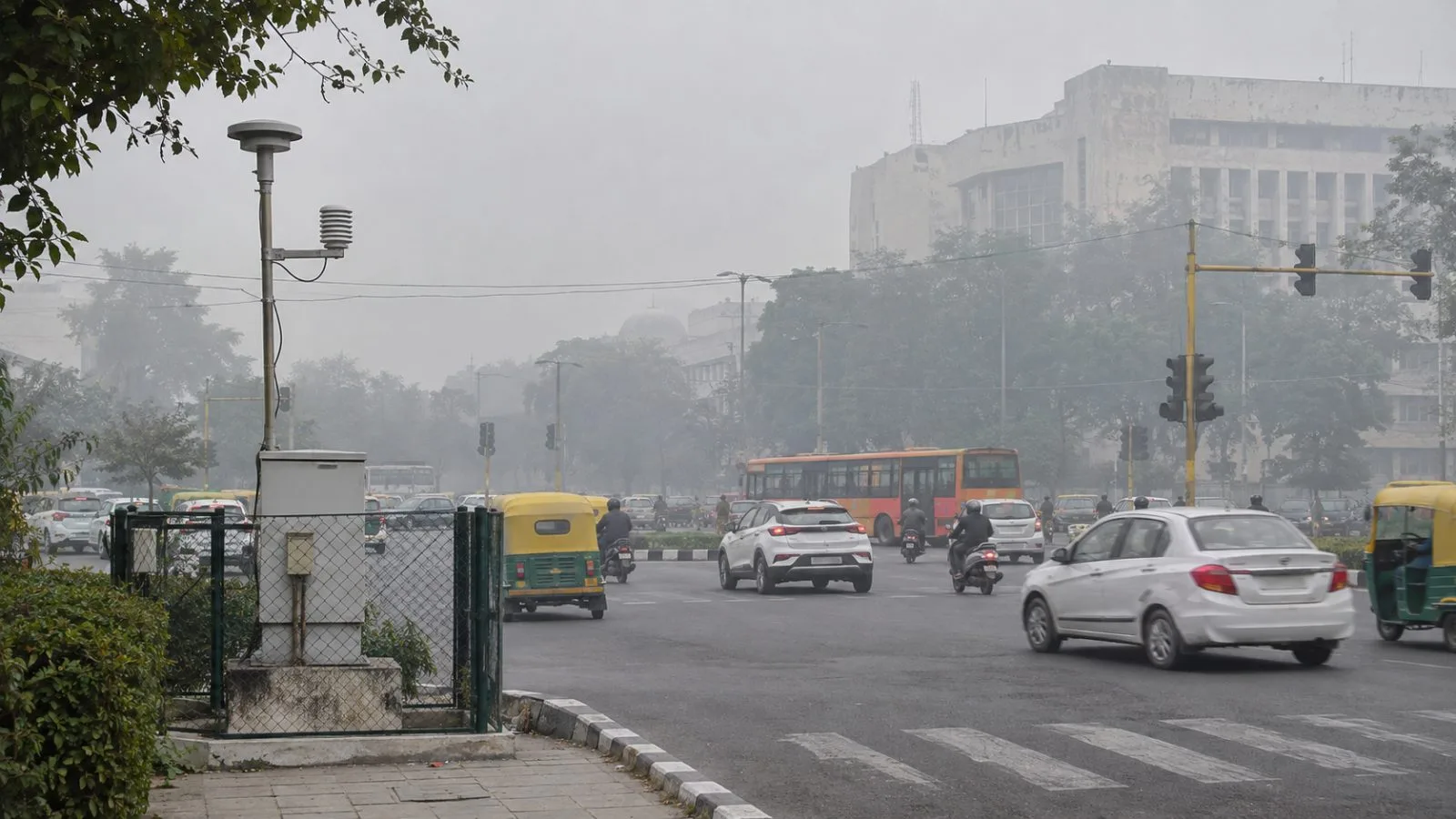
IITM Air Quality Early Warning System data showed Delhi's ITO monitoring station at an Air Quality Index (AQI) of 415 early Nov. 15, while a later citywide snapshot was 352, in the “very poor” band.
The ITO reading was recorded at 9:30 p.m. ET Nov. 14 (02:30 UTC Nov. 15), equivalent to 8 a.m. IST. IITM's citywide figure came at 11:30 p.m. ET Nov. 14 (04:30 UTC Nov. 15), or 10 a.m. IST. The system names India's Central Pollution Control Board (CPCB) as the source for the ITO station and PM2.5 as its main pollutant.
On CPCB's scale, AQI readings from 301 to 400 are “very poor,” while readings from 401 to 500 are “severe.” The two figures reflect different snapshots: the station reading was taken two hours before the citywide one.
On Nov. 6, India's Commission for Air Quality Management (CAQM) activated the plan's third tier across Delhi-NCR under its Graded Response Action Plan (GRAP). Its order recorded Delhi's AQI at 382 and cited forecasts that it could reach the severe category. The order added Stage III measures while Stages I and II were in force, after earlier Stage I pollution controls.
A separate CAQM order set restrictions for Nov. 5-20. It barred specified dust-generating demolition and outdoor construction across the National Capital Region, subject to exemptions, and capped in-person attendance at offices in Delhi and five NCR districts at 50%.
CAQM's review of AQI records from 2018 through 2025 found repeated elevations early and midway through November, with some days reaching severe or severe-plus levels. The commission cited local emissions, seasonal agricultural-residue and biomass burning, low wind speeds and limited vertical mixing as contributing factors. Its GRAP subcommittee said it would review air quality and forecasts periodically.