Uber ended ride-hailing services in Nigeria and Uganda on Sept. 2, removing one app-based route to customers for drivers as it launched supervised autonomous rides in London a day later.
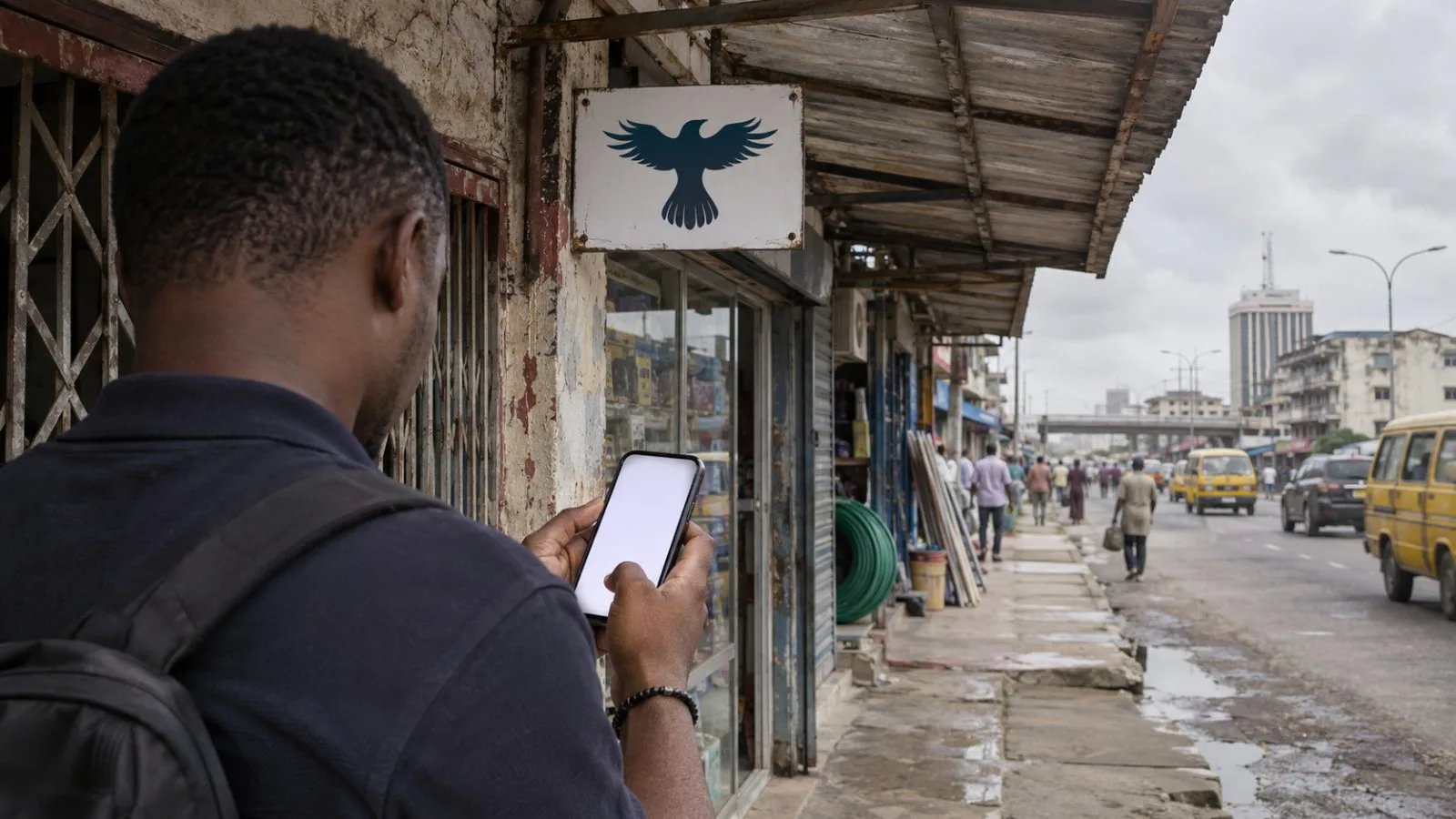
Uber said the decision followed a review of its priorities and planned investments in African markets. The company said it would make support for drivers, riders and local employees a priority during the wind-down. Uber began operating in Lagos in 2014 and expanded to Abuja in March 2016. Its exit statement did not cite AI or autonomous vehicles as a reason for leaving.
Lagos driver Isiaka Agbaje, 42, told Premium Times that he worked nearly 14 hours a day and struggled to support his family. He said his situation had worsened after Uber's departure.
Samuel Adeoti told the outlet that Uber's commission was 35% and fares had not kept pace with fuel prices. In his example, a ₦10,000 trip left ₦1,500 after a ₦3,500 commission and about ₦5,000 in fuel costs.
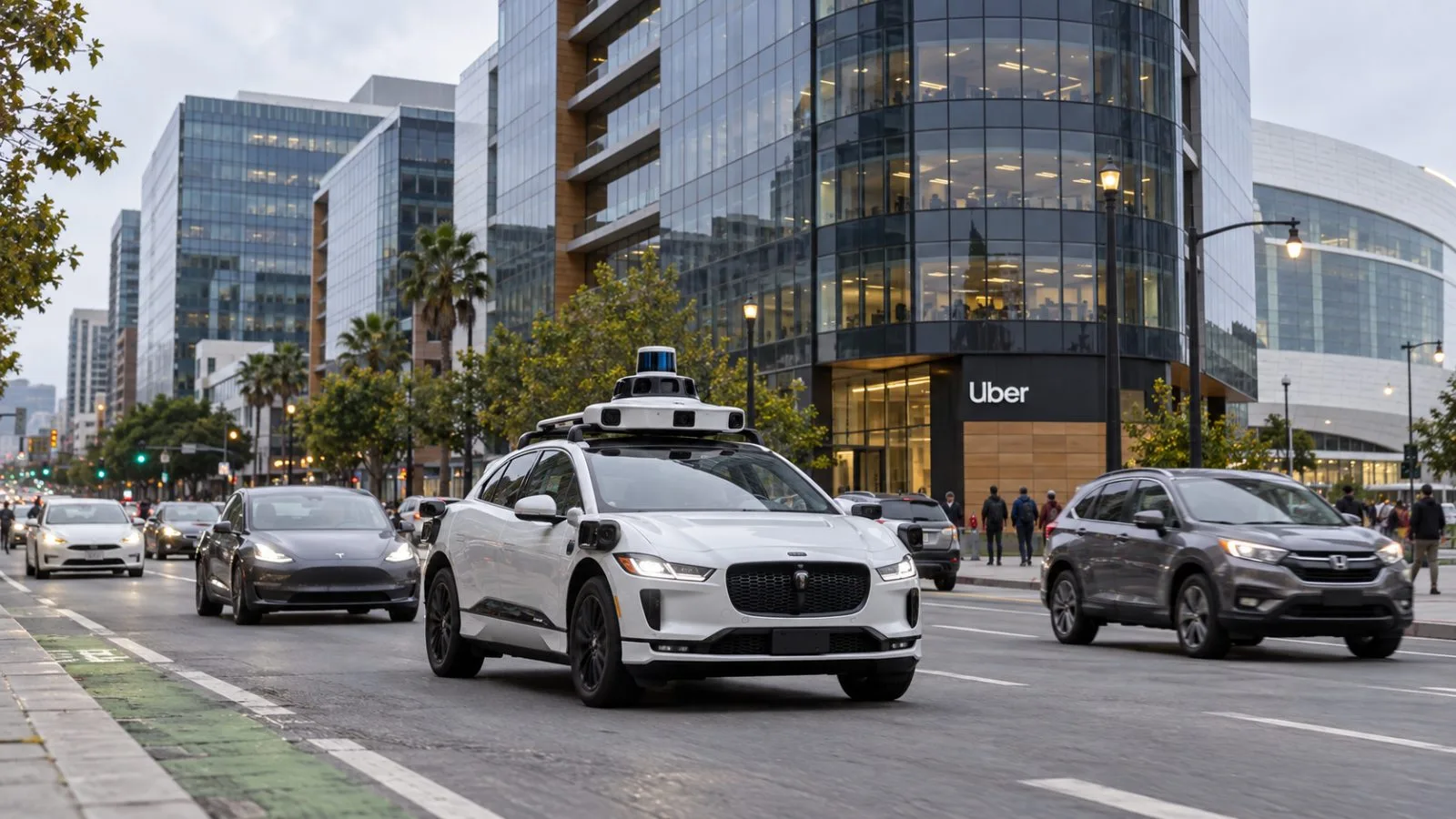
On Sept. 3, Uber and British company Wayve launched supervised autonomous rides in London. The initial service used a small number of electric Ford Mustang Mach-E vehicles fitted with Wayve's AI Driver. Each vehicle carried a trained driver licensed for private-hire work. Wayve CEO and co-founder Alex Kendall said the technology would “complement the city’s rich transport network.”
In a Sept. 2 memo to employees, Uber CEO Dara Khosrowshahi said the company planned to reduce its global team by about 10%, simplify operations and create savings for growth and innovation. He referred to “building the autonomous future,” but the memo did not connect the staff cuts to the African withdrawals.
Wayve said expansion in London would depend on rider demand, operational readiness and regulatory conditions, but gave no timetable.