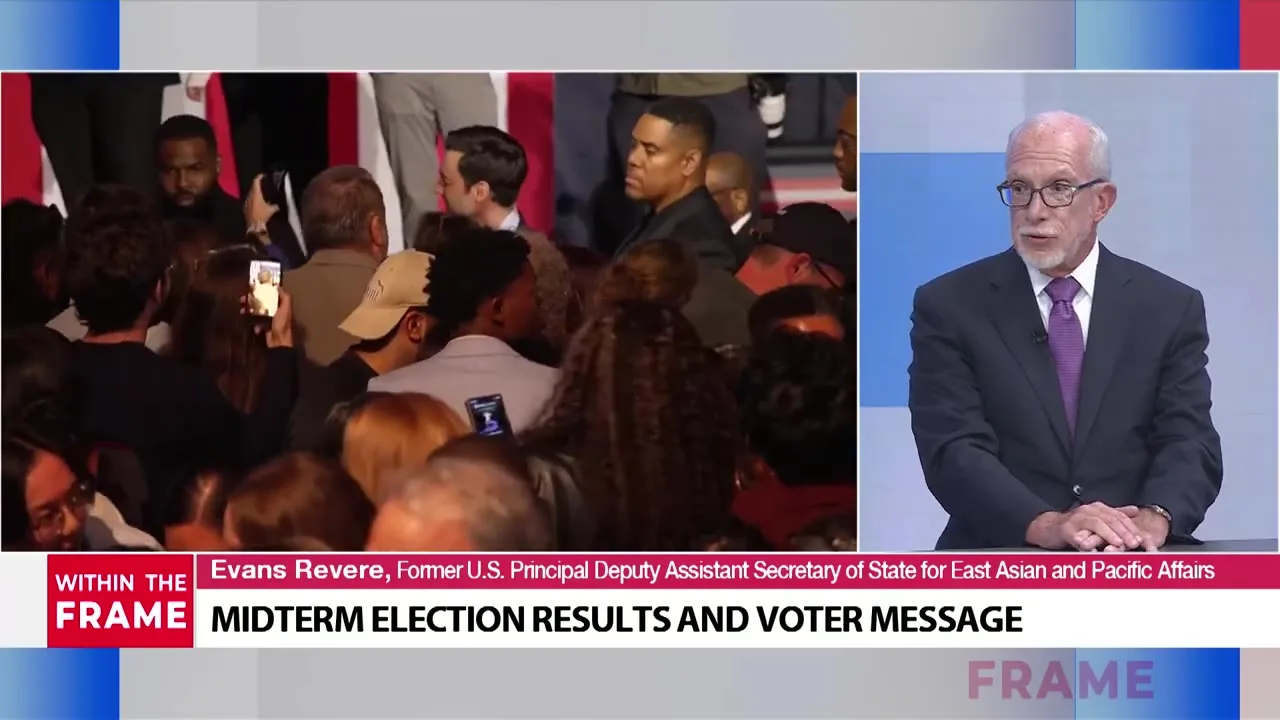
Democratic control of Congress could constrain President Donald Trump's foreign policy over his remaining two years, a former U.S. State Department principal deputy assistant secretary for East Asian and Pacific affairs said.
Lawmakers could use investigations, spending decisions and appointments to challenge an administration that has faced few congressional constraints. The assessment came in an interview on Arirang News' Within the Frame, published Nov. 13.
The former diplomat described the election as a rejection of economic uncertainty, inflation, fuel costs, difficulties accessing medical care and the treatment of immigrants. He described Republican-to-Democratic shifts across the country, including Texas, Mississippi and Kansas.
“We need a new direction,” he said, characterising voters' message. He dismissed the prospect that Trump's questioning of the results would change public perceptions of the outcome, describing the vote as a reaffirmation of American democracy.
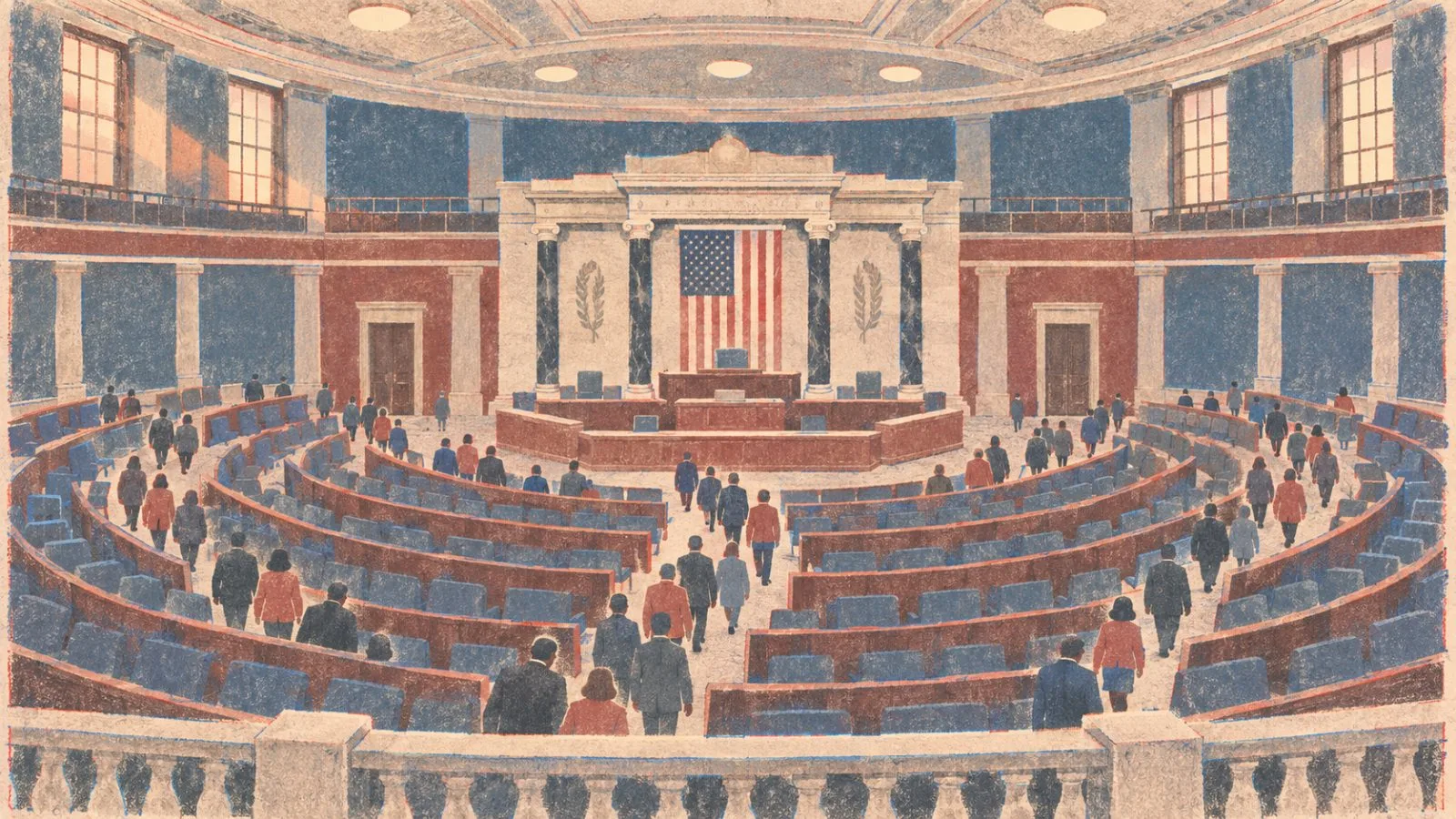
Trump retains presidential authority over foreign policy and the military. But the incoming Democratic majority could hold public hearings, investigate officials, issue subpoenas and withhold spending when it takes control in January.
The Senate could also reject presidential nominees. Those powers could affect how the administration carries out its policies, although the former diplomat expected Trump to find ways to assert his authority during two contentious years.
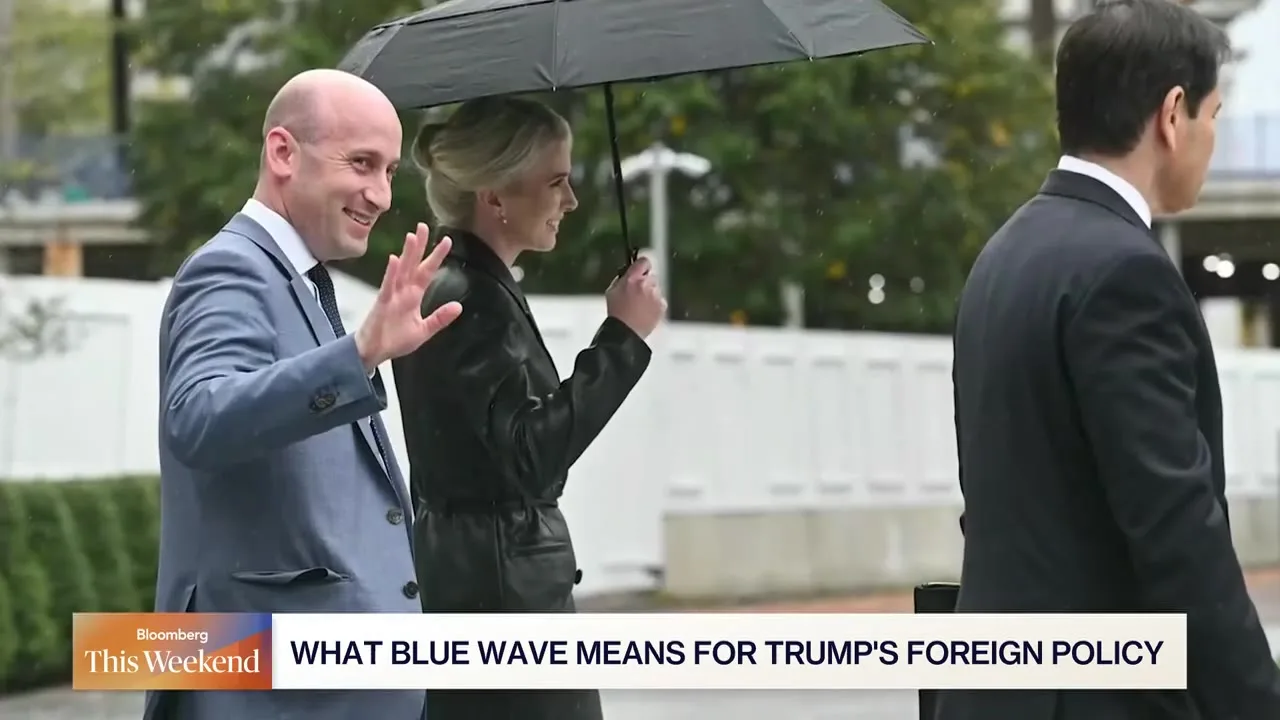
He saw no indication that Trump intended to change course on the wars in Ukraine or against Iran. He linked the Iran war's economic costs to the election outcome and cited Trump's appointment of Steven Miller as chief of staff as evidence of his approach.
Possible meetings with Chinese President Xi Jinping and Russian President Vladimir Putin at the following week's Asia-Pacific Economic Cooperation summit raised another concern. The former diplomat said both leaders might see Trump as weakened and try to extract concessions.
He questioned whether discussions about the Korean Peninsula might proceed without South Korea present. Recalling an earlier proposal for talks among the three powers, he quoted his response: “If we're going to discuss Korea, shouldn't the Koreans be there?”
The administration places less value on alliances than its predecessors, he said, citing a U.S. government national security strategy issued a few months earlier. That raised concern about how much weight Trump would give the South Korean alliance in such talks.
South Korea should avoid treating economic ties with China and security ties with Washington as separate matters, he said. U.S.-China competition means Washington will look for reassurance that its partners support it, regardless of which administration holds office.
“We are with you, we are on your side,” he said, describing the message Seoul should send Washington. The possible leaders' meetings remained unconfirmed, and he identified no specific agreement ready for them to reach.