The U.S. dollar index held below 102 on Monday as investors approached Tuesday’s federal election and Friday’s October jobs report, events DBS Group Research economist Philip Wee said would test the currency’s weak momentum.
Investing.com’s historical data put the index at 101.67 on Nov. 2, down from 102.19 on Oct. 28. ICE describes the benchmark as measuring the dollar against a basket of currencies.
Economic growth accelerated, but inflation remained elevated. The U.S. Bureau of Economic Analysis (BEA) reported that real gross domestic product grew at a 3.4% annual rate in the third quarter of 2026, after rising 2.2% in the second quarter. The September personal consumption expenditures price index increased 0.5% from August and 3.6% from a year earlier. Excluding food and energy, it rose 0.3% month over month and 3.1% year over year. Wee said those releases had not restored the dollar’s momentum.
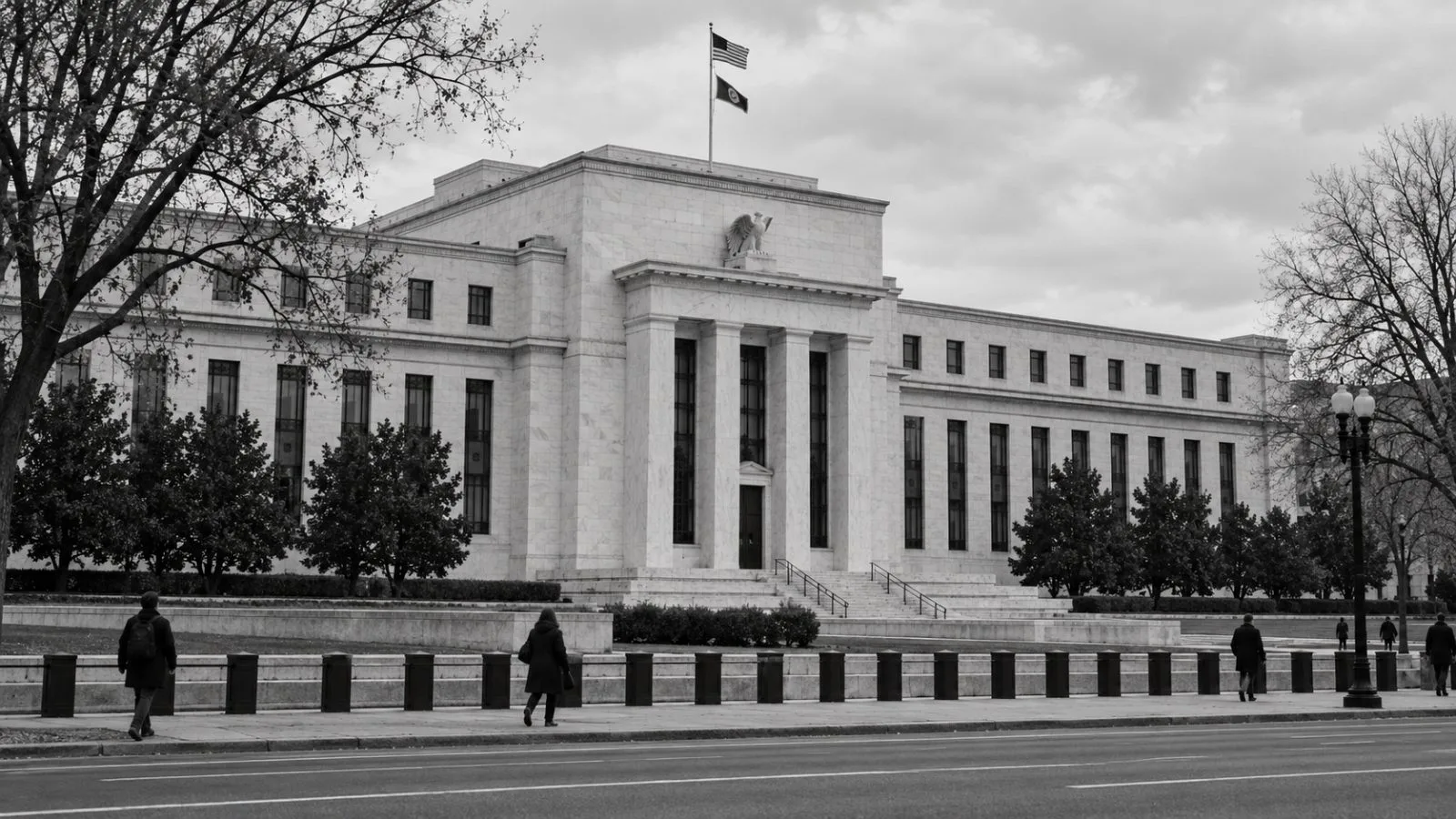
The Federal Open Market Committee (FOMC) voted 10-2 on Oct. 28 to keep its federal funds target range at 3.75%-4%. FOMC members Lisa D. Cook and Beth M. Hammack favored a 0.25-percentage-point increase. The committee’s statement said inflation “remains elevated.”
Wee cited lower Treasury yields and investor scrutiny of AI hyperscalers’ cash spending as pressures on the dollar. The U.S. Treasury’s daily par yield curve showed the 10-year yield at 4.94% on Oct. 30. Wee also said high fuel prices and mortgage rates were limiting households’ capacity to absorb economic pressures.
The Federal Election Commission (FEC) lists Tuesday, Nov. 3, as the next regularly scheduled federal general election. The U.S. Bureau of Labor Statistics (BLS) is scheduled to release the October Employment Situation report Friday, Nov. 6, at 8:30 a.m. EST (13:30 UTC). The election outcome, jobs figures and their effects on the dollar were not yet known.