Global currency markets held their breath on Wednesday as the U.S. dollar maintained its position while traders waited for clearer signals about the trajectory of the U.S.-Israeli military conflict with Iran. The ongoing war has injected significant volatility into foreign exchange markets, with mixed diplomatic signals keeping investor sentiment fragile.
The dollar initially surged as the week-long conflict sent crude oil prices soaring, though it has since surrendered some of those gains amid speculation of a potential ceasefire. However, many analysts caution that a swift resolution remains unlikely. Kristina Clifton, senior currency strategist at Commonwealth Bank of Australia, noted that the war is expected to last months rather than weeks, given the high degree of geopolitical uncertainty still in play.
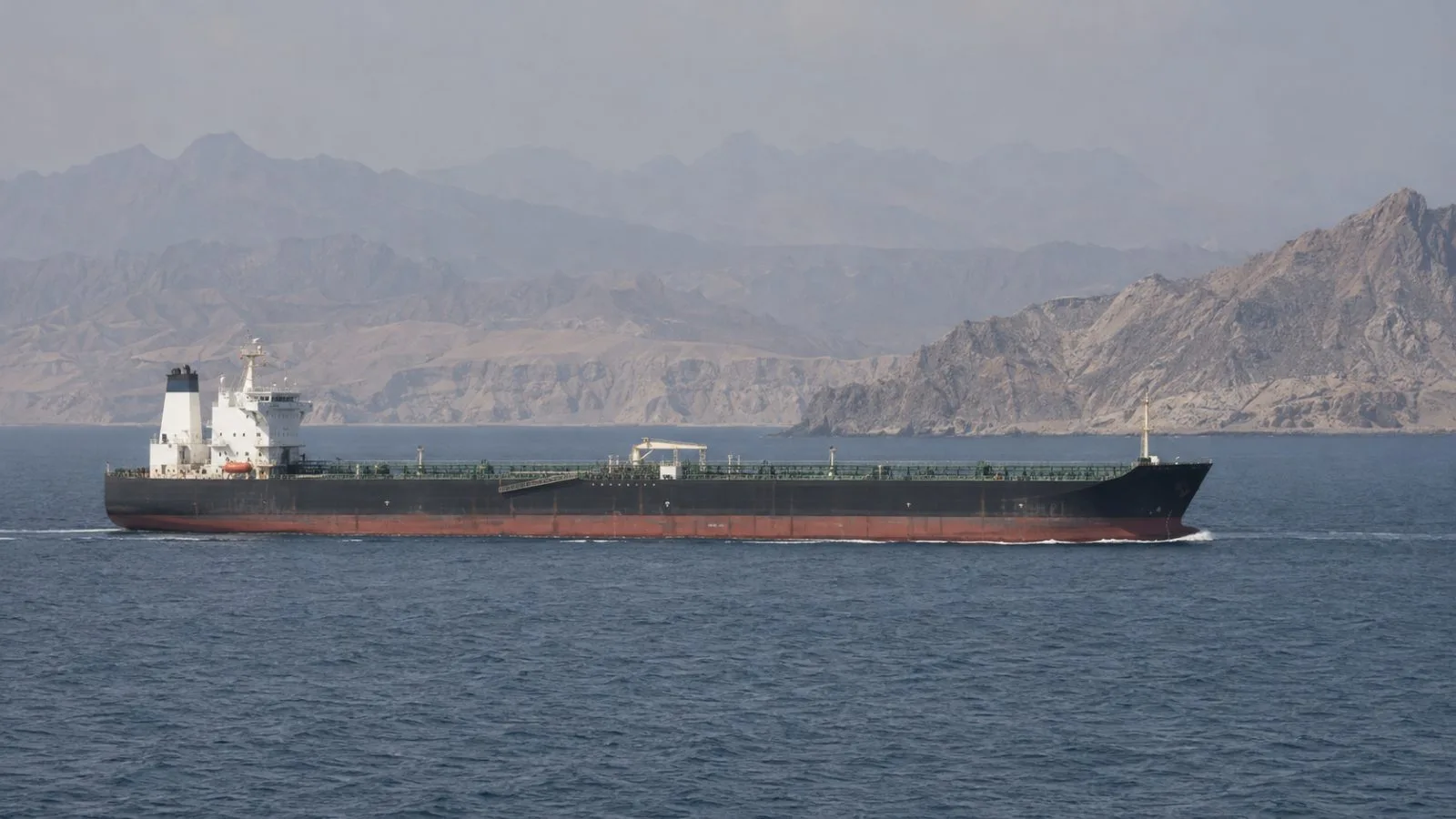
Tensions escalated further after the Pentagon confirmed Tuesday's airstrikes on Iran were among the most intense of the conflict. Iran's Islamic Revolutionary Guard Corps responded by threatening to block oil shipments from the Gulf, a move that could severely disrupt global energy supply chains and deepen the economic fallout.
In currency markets, the euro edged slightly higher at $1.16205, recovering from a three-month low, while sterling climbed 0.12% to $1.34305. The U.S. dollar index hovered near 98.876, pulling back from a recent three-month high. The Australian dollar remained firm near a four-year peak after the Reserve Bank of Australia signaled potential rate hikes in response to rising oil-driven inflation.
Broader monetary policy expectations are also shifting. Fed funds futures now reflect growing doubt over whether the Federal Reserve will deliver a second rate cut this year, with only 39.7 basis points of cuts priced in by year-end. Markets are also focused on U.S. February inflation data, with core consumer prices forecast to rise 0.2% and headline inflation expected at 0.3%. Adding to the energy narrative, the International Energy Agency has reportedly proposed its largest-ever strategic oil reserve release to help stabilize surging crude prices.