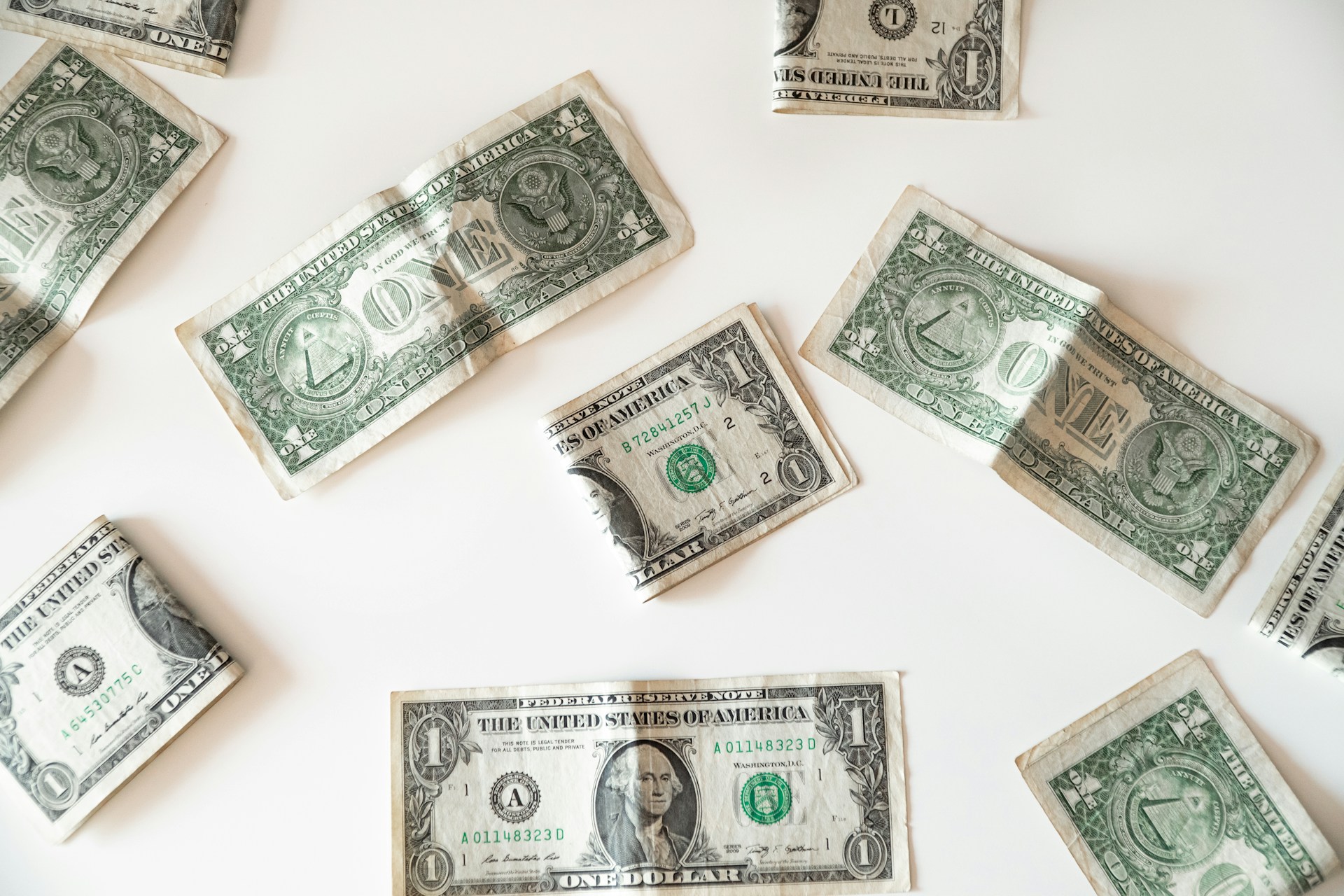
The U.S. dollar remained under pressure on Tuesday as growing optimism over a possible agreement to reopen the Strait of Hormuz improved global market sentiment and boosted risk assets. Investors are closely watching developments in the ongoing Iran conflict, now entering its third month, as hopes for de-escalation continue to influence forex markets, oil prices, and investor confidence.
The euro held firm against the dollar, with EUR/USD trading near 1.1636, while the Japanese yen stood at 158.95 per dollar. The U.S. Dollar Index also slipped toward 99.03 as traders reacted to diplomatic signals from both Washington and Tehran.
Market sentiment improved after reports confirmed that Iran’s foreign minister and top negotiator were in Doha for talks with Qatar’s prime minister regarding a possible peace agreement. U.S. President Donald Trump stated that discussions with Iran were progressing “nicely,” although he warned that additional military action could follow if negotiations failed.
Despite the positive tone, tensions remain elevated after the U.S. Central Command confirmed fresh strikes targeting Iranian-linked threats. The renewed attacks briefly pushed oil prices higher after Brent crude dropped sharply on Monday. Brent futures later rebounded to around $97.76 per barrel, highlighting continued volatility in global energy markets.
Analysts believe the possibility of reopening the Strait of Hormuz has reduced fears surrounding oil supply disruptions, inflation, and global economic slowdown. However, experts caution that a full recovery in energy supply chains may take time, keeping inflation concerns and interest rate uncertainty alive.
The Australian dollar stayed near a one-week high, supported by improving risk appetite, while the New Zealand dollar weakened slightly ahead of the country’s upcoming central bank decision.
Currency strategists also noted that strong U.S. economic growth and persistent AI-driven inflation pressures could continue supporting the dollar in the medium term, even if oil prices gradually ease below $100 per barrel later in 2026.