


 Asian Stocks Rise as Nasdaq Record Offsets Bond Yield Pressure
  Trump Demands Powell Resign Over Fed Renovation Cost Overruns
  RBA Says ASX Still Falls Short on Governance and Risk Controls
  RBA Hikes Interest Rate to 4.60% as Inflation Risks Rise
  Yen Sinks as BOJ Rate Hike Fails to Impress Markets
  Trump Plans Diesel Tax Relief as Fuel Prices Hit Record Highs
  Asian Currencies Steady as Dollar Holds Near 18-Month High
  RBI Rate Hike Bets Surge as Inflation Rises
  Wall Street Rises as Oil Prices Ease, Nasdaq Hits Record
  Fed’s Williams Signals One More Rate Hike Before Year-End
  Oil Prices Fall as G7 Reserve Release Eases Supply Fears
  Europe EV Sales Hit Record as Affordable Models Boost Demand
  RBI Uses $10 Billion Currency Swaps to Drain Excess Rupee Liquidity
  Samsung, SK Hynix Shares Fall Ahead of Q3 Earnings
  Gold Prices Slip as Strong Dollar and High Treasury Yields Weigh


 Add as a preferred source on Google
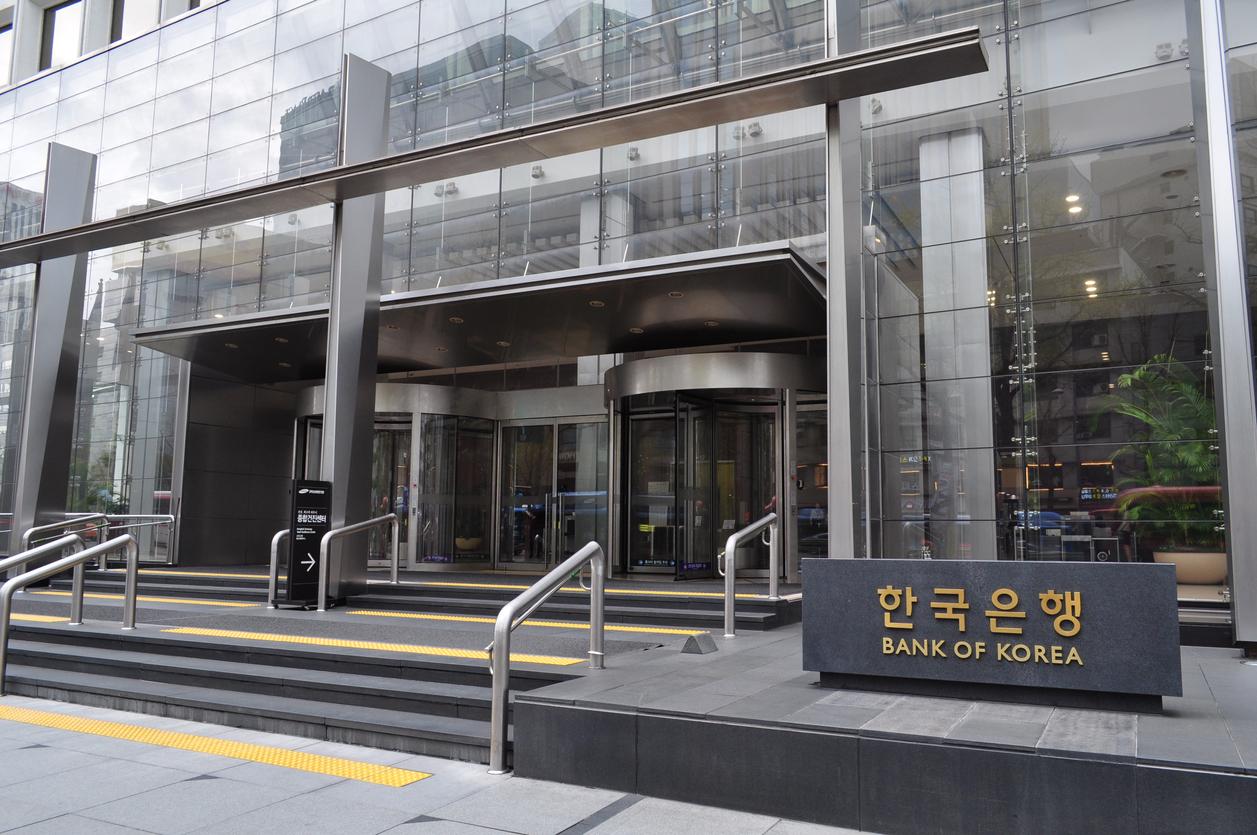
South Korea’s central bank is widely expected to raise its benchmark interest rate on Thursday, marking its first rate increase in more than three years, as persistent inflation and stronger economic growth support a shift toward tighter monetary policy.
A Reuters poll conducted from July 7 to July 13 found that 36 of 37 economists expect the Bank of Korea (BOK) to lift its base rate by 25 basis points to 2.75%. Most respondents also anticipate another rate hike before the end of 2026, taking the policy rate to 3.00%.
The expected move follows a steady rise in inflation. South Korea’s consumer inflation reached 3.2% in June, the highest level in two and a half years, remaining above the BOK’s 2% target for four straight months. Economists expect inflation to average around 3% during the second half of the year, driven by higher global oil prices linked to the renewed U.S.-Iran conflict and the weakening South Korean won.
The BOK has also gained room to tighten policy as the economy continues to outperform expectations. South Korea recorded its fastest quarterly economic growth in nearly six years during the first quarter, while rising housing prices and elevated household debt have reinforced the case for higher borrowing costs.
Barclays economist Bum Ki Son said the central bank had clearly signaled its intentions during its previous meeting, when it upgraded both growth and inflation forecasts. He noted that policymakers now see inflation control and economic conditions aligning in favor of a rate increase.
Regional central banks, including those in Australia, New Zealand, Indonesia and the Philippines, have already tightened monetary policy, adding to expectations that South Korea will follow the same path.
Looking ahead, economists expect the BOK’s benchmark rate to reach 3.25% in the first quarter of 2027 and remain at that level through at least the end of the year. Inflation is projected to average 2.7% in 2026 and 2.2% in 2027, while GDP growth is forecast at 2.8% and 2.1%, respectively.
Analysts also expect the South Korean won to remain under pressure after losing more than 4% against the U.S. dollar this year. Bank of America economist Benson Wu said policymakers are likely to closely monitor currency weakness, although the bank does not currently expect consecutive rate hikes.







