


 Most Americans Oppose Election Betting on Prediction Markets, Poll Finds
  Trump Calls for Zelenskyy Replacement Amid Russian Diesel Deal
  Trump Defends Russian Diesel Deal Amid US Sanctions Backlash
  Kim Jong Un Showcases ICBM Ahead of Possible Trump Meeting
  Elon Musk Donates $366 Million to 2026 US Midterms
  Russian Strikes Kill Six in Ukraine, Including Three in Kharkiv
  Trump Announces Russia-Ukraine Energy Ceasefire as Zelenskiy Awaits Details
  European Auto Stocks Rise as EU-China Trade Deal Targets Hybrid Imports
  Trump Plans White House Shake-Up of Key AI Safety Agency
  Yandex Data Center Hit by Drone Strike as Russia-Ukraine Cyber Infrastructure Attacks Escalate
  US Condemns China Sanctions on Taiwan Allies Belize and Paraguay
  Houthis Warn Saudi Airports After Deadly Riyadh Attack
  North Korea Fires Ballistic Missiles Amid Rising Tensions With South Korea
  India Voter List Protests Reach Supreme Court as Opposition Demands Election Chief's Resignation
  Mahmoud Abbas Postpones Palestinian Elections to September 2027
  Jordan Bardella Antisemitism Allegations Threaten Le Pen’s Campaign
  US Judge Blocks Trump Administration’s Taxpayer-Funded Political Ads


 Add as a preferred source on Google
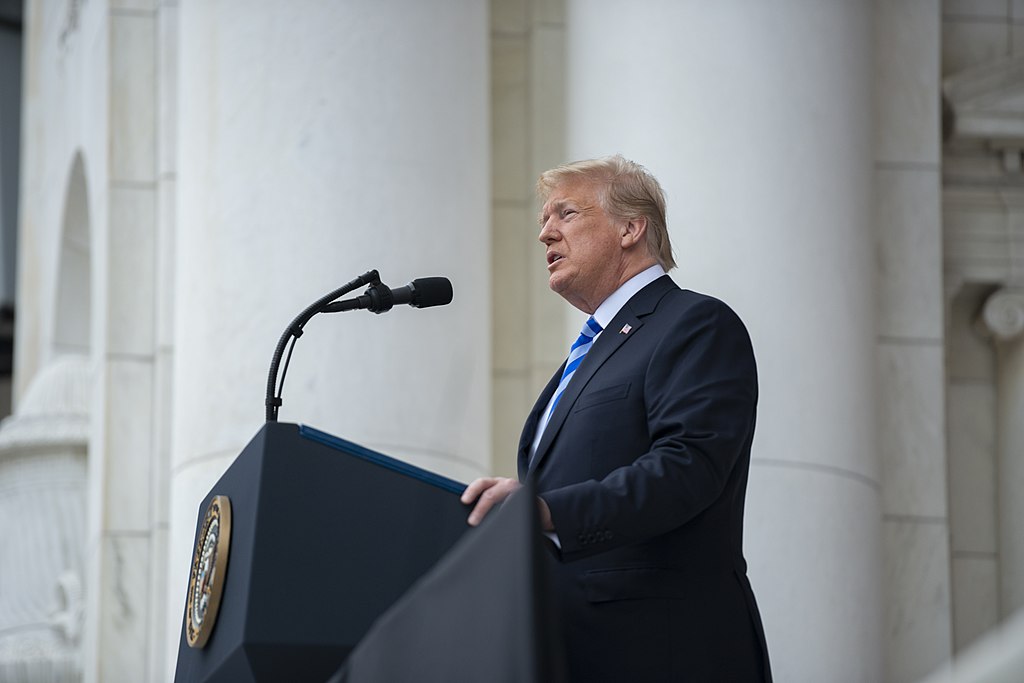
Donald Trump’s latest debate performance has sparked international ridicule, with MSNBC panelists branding him a "laughing stock" over a bizarre and unsubstantiated claim about migrants in Ohio. The former president’s remarks, made during a heated exchange with Vice President Kamala Harris, have drawn criticism from both sides of the political spectrum and foreign media outlets, raising concerns about his credibility as he seeks a return to the White House.
The incident occurred when Trump responded to Harris’s remark about rallygoers leaving his events early, citing exhaustion and boredom. Seemingly triggered by the comment, Trump launched into a meandering rant that included a debunked conspiracy theory about migrants in Springfield, Ohio, stealing and eating pets. His remarks, which quickly gained attention on social media, mystified viewers and were swiftly condemned by fact-checkers and political analysts.
MSNBC’s analysis focused heavily on this moment, with anchor Chris Jansing highlighting how even some of Trump’s allies expressed concern over his decision to embrace such a wild claim. Jansing noted that Trump often relies on exaggerated or unsubstantiated stories about migrant crime to energize his base, but this particular claim appeared to do more harm than good. The fallout was immediate, with the foreign press seizing on the gaffe and labeling Trump an "international laughing stock."
In Germany, the foreign ministry made a pointed reference to Trump’s remarks in a statement about renewable energy, quipping that “we don’t eat cats and dogs.” British media, including The Standard, echoed similar sentiments, criticizing Trump’s debate performance and framing the incident as evidence of his declining political acumen. The response from international outlets only added to the chorus of mockery surrounding the former president, amplifying the negative attention on the global stage.
Within the United States, the reaction was no less critical. A focus group convened by Fox News found that voters across party lines—Democrats, independents, and Republicans—were perplexed by Trump’s comments. Approval ratings for Trump took a noticeable dip during the debate, especially among independents and Republicans, underscoring the damage his gaffe may have done to his campaign. Political analysts noted that his unsubstantiated claim could alienate moderate voters and undermine his efforts to rebuild his electoral coalition.
Former GOP Congressman David Jolly, speaking on MSNBC, characterized the moment as "idiotic," suggesting that Trump’s reliance on internet conspiracy theories and fringe voices like Laura Loomer only served to highlight his unfitness for office. Jolly’s comments reflected broader concerns among political observers about Trump’s capacity to lead, particularly when his campaign messaging veers into absurdity.
Harris, for her part, appeared to maintain her composure throughout the exchange, allowing Trump to dig himself deeper into controversy without offering a rebuttal. MSNBC panelists pointed out that this strategy seemed deliberate, with Harris opting to let Trump’s own words work against him, rather than engaging in further confrontation.
As Trump’s campaign moves forward, the fallout from his debate performance raises questions about whether his strategy of embracing extreme rhetoric will continue to resonate with voters—or if it will further isolate him on the national and international stages. For now, Trump finds himself under intense scrutiny, both at home and abroad, as his “laughing stock” moment becomes a defining feature of his latest run for office.







