


 US Authorities Raid Ilhan Omar’s Home Amid Immigration Fraud Probe
  Trump Sanctions International Criminal Court, Sparking EU Backlash
  Most Americans Oppose Election Betting on Prediction Markets, Poll Finds
  UK Finance Minister Healey Calls for Fiscal Discipline Amid Global Risks
  Trump Calls for Zelenskyy Replacement Amid Russian Diesel Deal
  Djibouti Migrant Boat Capsizes, Killing 139 and Leaving 84 Missing
  Kim Jong Un Showcases ICBM Ahead of Possible Trump Meeting
  North Korea Fires Ballistic Missiles Amid Rising Tensions With South Korea
  Mahmoud Abbas Postpones Palestinian Elections to September 2027
  Brazil Election: Lula and Bolsonaro Rally Ahead of October 25 Runoff
  Houthis Warn Saudi Airports After Deadly Riyadh Attack
  India Voter List Protests Reach Supreme Court as Opposition Demands Election Chief's Resignation
  NATO Commander Warns Russia of Devastating Response to Attack
  Greenland Lawmakers Back Trump Security Deal Despite Economic Concerns
  Pakistan Declares Emergency in Khyber Pakhtunkhwa, Suspends Imran Khan’s PTI Government
  Trump Plans White House Shake-Up of Key AI Safety Agency


 Add as a preferred source on Google
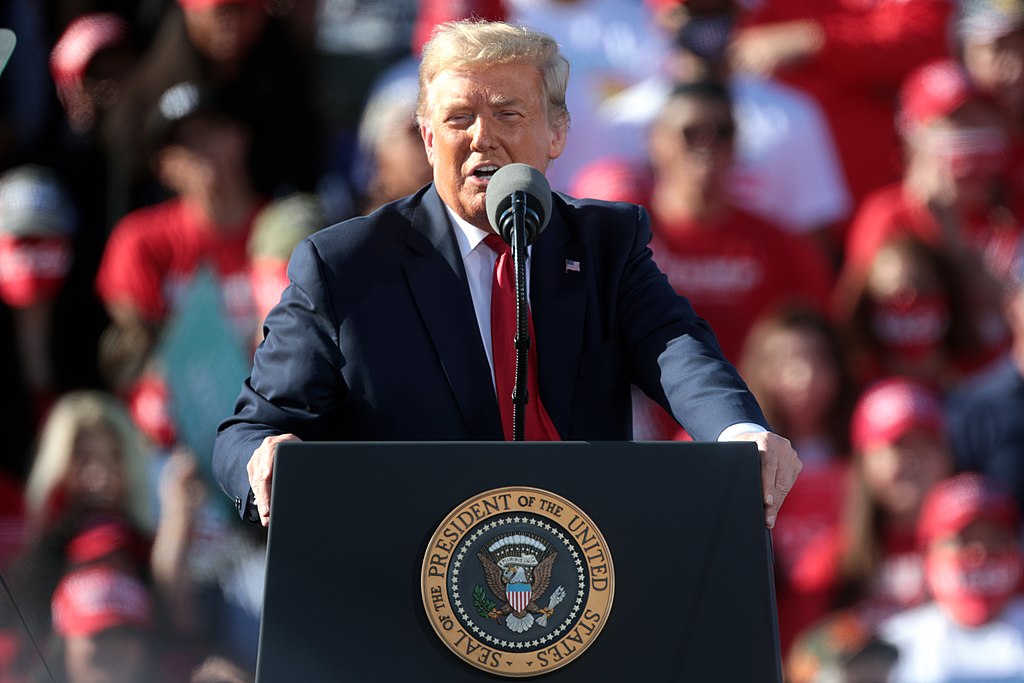
In a sharp critique of former President Donald Trump's recent attacks on Vice President Kamala Harris, Nobel Prize-winning economist Paul Krugman dismantled the baseless claims that Harris' newly unveiled economic platform is radical or "communist." Writing for The New York Times, Krugman praised Harris' economic vision while exposing the flaws in Trump's exaggerated rhetoric.
Harris recently introduced a comprehensive economic plan aimed at reducing costs for American families, which Trump quickly dismissed as extreme. In a rambling speech that left even some of his usual allies at Fox News exasperated, Trump labeled Harris a "communist" and criticized her policies. Krugman, however, offered a starkly different perspective, emphasizing the moderate nature of Harris' proposals.
Krugman pointed out that Harris, unlike Trump, actually focused on outlining her economic proposals without diverging into unrelated topics, such as crowd sizes or bizarre claims about windmills. He criticized the tendency of some commentators, even those considered middle-of-the-road, to mischaracterize Harris' policies as extreme leftist or akin to price controls—an accusation he deemed unfounded.
The crux of Harris' plan, according to Krugman, aligns closely with President Biden's original Build Back Better agenda, which has been implemented only partially due to the narrow Democratic majority in the Senate. Harris' proposals include an expanded child tax credit aimed at alleviating poverty among families with children, an ambitious strategy to address the housing shortage, and a federal law to prevent price gouging on essential goods like groceries.
Krugman took particular issue with the misrepresentation of Harris' anti-price gouging policy as "price controls." He argued that such laws are not only popular among voters who detest exploitation during shortages but are also practical measures to prevent businesses from worsening supply crises—citing the California energy crisis of 2001 as a cautionary example.
In defending Harris' economic platform, Krugman underscored that it is, in reality, a moderately center-left agenda rather than the radical vision Trump portrays. He emphasized that the policies Harris champions are grounded in common-sense economics and are designed to address real issues facing American families, rather than pushing a far-left ideology.
The Nobel laureate concluded his critique by directly addressing those who insist on labeling Harris as a communist, bluntly stating that such claims simply do not hold up under scrutiny. "Sorry, she isn’t," Krugman wrote, dismissing the notion that Harris' policies represent anything other than a pragmatic, center-left approach to governing.
As the political discourse heats up ahead of the 2024 election, Krugman's analysis serves as a reminder to voters that rhetoric from candidates like Trump should be critically examined, especially when it comes to complex economic policies that directly impact the lives of millions of Americans.







