


 China Resumes US Soybean Purchases After Trump-Xi Summit
  Zelenskiy Says Trump’s Support for Russia Is ‘Painful’
  China Warns Taiwan Over South China Sea Coast Guard Incident
  Trump Confirms US Intelligence Sharing With Ukraine Amid Russian Strikes
  Flavio Bolsonaro Backs Brazil’s 40-Hour Workweek Reform Ahead of Runoff
  Container Ship Sinks in Strait of Hormuz as Iran Attacks Escalate
  Italy’s Meloni Warns US-Russia Diesel Deal Could Weaken Ukraine Sanctions
  Elon Musk Donates $366 Million to 2026 US Midterms
  US Justice Department Drops Prosecution of Ex-CIA Analyst Sue Mi Terry
  US Recalls Nicaragua Envoy After Ambassador Rejection
  Trump Denies China, Russia Are Helping Iran in War
  Trump Denies Russia and China Are Helping Iran in U.S. Conflict
  UN Urges Talks on Lebanon Peacekeeping Mission Extension
  Kim Jong Un Showcases ICBM Ahead of Possible Trump Meeting
  Zelenskiy Says Ukraine Received No Warning Before Russian Missile Attack
  Jordan Bardella Antisemitism Allegations Threaten Le Pen’s Campaign
  MI5 Warns of Rising Iran, Russia Threats and AI Bioweapon Risks


 Add as a preferred source on Google
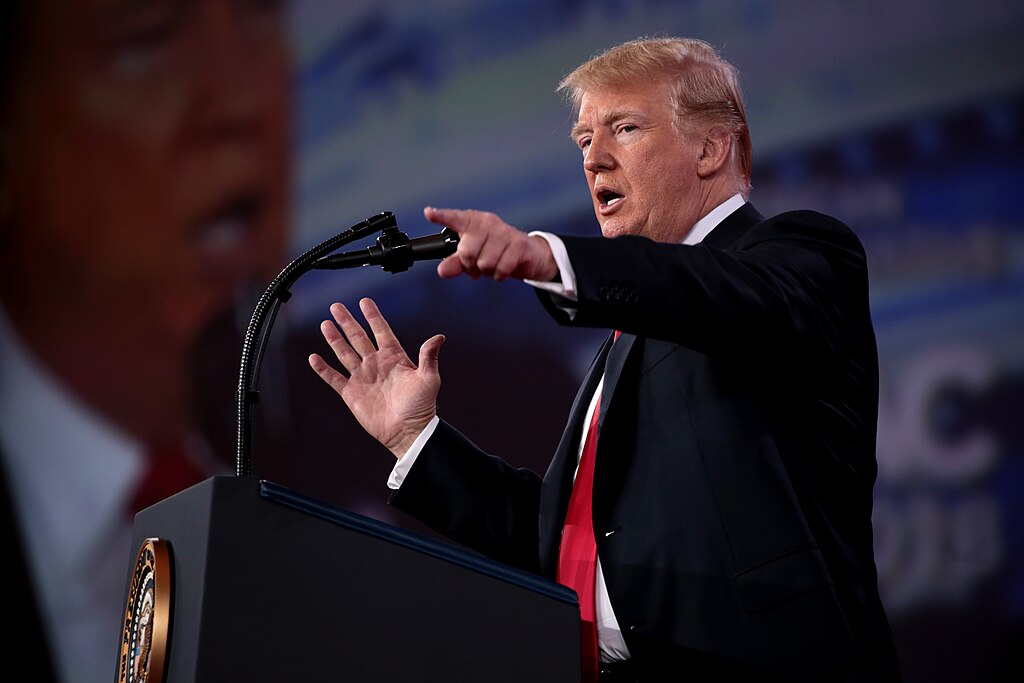
Former President Donald Trump has once again turned his focus to the Federal Reserve, signaling bold changes to the institution’s leadership and policies in 2025. Trump’s push for a reshaped central bank has sparked widespread debate, with critics warning of potential risks to economic stability and supporters touting it as a necessary correction to the Fed’s direction.
Trump’s Vision for a Reformed Federal Reserve
Trump’s strategy for the Federal Reserve hinges on altering its approach to monetary policy and management. Among the key elements of his plan are calls for lower interest rates, a more aggressive stance on economic growth, and leadership changes that align with his economic philosophy.
At the heart of his reform is the nomination of loyalists who favor dovish monetary policies to stimulate growth. Trump has repeatedly criticized the Fed for maintaining high interest rates during his first presidency, claiming it slowed economic momentum. In his second term, he aims to prioritize appointees who support his vision of “America First” economics.
Critics, however, argue that prioritizing loyalty over expertise could undermine the Fed’s independence. Economists warn that excessive politicization of the institution could lead to reckless monetary policies, potentially triggering inflation or market instability.
Balancing Growth and Stability: A Delicate Trade-Off
Trump’s emphasis on stimulating growth through looser monetary policy has sparked concerns among financial experts. Some worry that rapid rate cuts could inflate asset bubbles, particularly in real estate and stock markets. Others point out that tampering with the Fed’s independence could erode global confidence in the U.S. dollar as the world’s reserve currency.
Nevertheless, supporters argue that Trump’s approach addresses long-standing criticisms of the Federal Reserve’s reluctance to adapt its policies to real-world economic conditions. By focusing on pro-growth measures, they believe the Fed could drive job creation and boost productivity.
Social Media Buzz: Divided Reactions to Trump’s Federal Reserve Agenda
The public reaction to Trump’s Fed reform has been nothing short of polarizing, with social media ablaze with both praise and criticism.
- @MoneyMatters2025: “Finally, a president willing to hold the Fed accountable! Trump’s reforms are exactly what America needs.”
- @FedWatchdog: “Politicizing the Federal Reserve is dangerous. This move could destabilize the entire global financial system.”
- @EconomyFirst: “Cutting interest rates will stimulate small businesses and create jobs. Trump is on the right track.”
- @IndependentEconomist: “Replacing experts with loyalists? This is a recipe for disaster. The Fed must remain independent.”
- @StockTraderUSA: “Markets are loving this! Lower rates mean higher returns. Trump is a genius.”
- @ConcernedCitizen: “This feels like a power grab. We need checks and balances, not a politicized Fed.”







