


 China Warns Taiwan Over South China Sea Coast Guard Incident
  FBI Denies Report of Kash Patel’s Russia Visit
  Trump Confirms US Intelligence Sharing With Ukraine Amid Russian Strikes
  MI5 Warns of Rising Iran, Russia Threats and AI Bioweapon Risks
  Most Americans Oppose Election Betting on Prediction Markets, Poll Finds
  Zelenskiy Says Ukraine Received No Warning Before Russian Missile Attack
  Jordan Bardella Antisemitism Allegations Threaten Le Pen’s Campaign
  Zelenskiy Says Trump’s Support for Russia Is ‘Painful’
  China Resumes US Soybean Purchases After Trump-Xi Summit
  Flavio Bolsonaro Backs Brazil’s 40-Hour Workweek Reform Ahead of Runoff
  Elon Musk Donates $366 Million to 2026 US Midterms
  Trump Denies Russia and China Are Helping Iran in U.S. Conflict
  US Justice Department Drops Prosecution of Ex-CIA Analyst Sue Mi Terry
  Zelenskiy Seeks New US Talks to Revive Ukraine-Russia Peace Negotiations
  UN Urges Talks on Lebanon Peacekeeping Mission Extension
  US Senate Midterms 2026: Key Races That Could Flip Control


 Add as a preferred source on Google
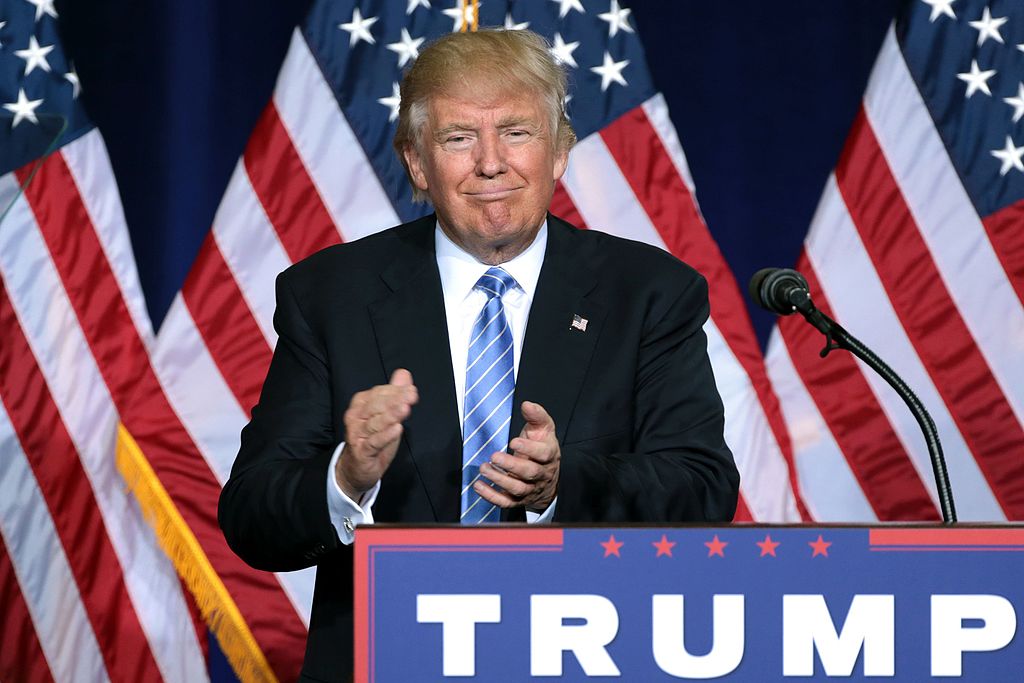
Donald Trump’s tax policies for 2025 are reshaping wealth distribution across the United States, reigniting debates about fairness, economic growth, and the role of government. As the administration pushes its new tax plan, critics and supporters remain deeply divided over its long-term implications for income inequality and fiscal responsibility.
Key Features of Trump’s 2025 Tax Plan
Trump’s 2025 tax reforms emphasize reduced corporate tax rates and expanded incentives for businesses to promote investment and job creation. Under the new plan, corporate tax rates have been slashed to 15%, down from the previous 21%, making them some of the lowest among developed nations. The administration argues that these changes will stimulate economic growth, encourage businesses to reinvest domestically, and create new opportunities for middle-class Americans.
Additionally, the reforms have introduced increased deductions for high-income earners, with the intent of incentivizing entrepreneurial ventures. The estate tax, often referred to as the "death tax," has also been significantly reduced, with exemptions doubled to $24 million for married couples.
Critics, however, argue that these measures disproportionately favor the wealthiest Americans. The Tax Policy Center estimates that the top 1% of earners could see their tax bills reduced by an average of $100,000 annually, while middle- and lower-income families will experience modest benefits, if any.
Public Reaction and Economic Impact
The administration insists that the reforms will lead to widespread prosperity, pointing to early signs of increased corporate investment and stock market growth. Treasury Secretary Janet Yellen defended the policies, stating that the changes would "revitalize the American economy and strengthen the middle class over time."
However, economic analysts have raised concerns about the potential long-term impact on income inequality. Critics claim that the policy shifts could exacerbate wealth disparities, undermining social mobility and creating financial challenges for lower-income households. The reforms have also sparked fears of ballooning federal deficits, projected to exceed $2 trillion by 2026.
Online Backlash Highlights Divided Opinions
Trump’s tax policies have drawn widespread reactions across social media, highlighting the contentious nature of the reforms:
- @TaxJusticeNow: “This tax plan is a giveaway to the rich while working families struggle to make ends meet. Shameful.”
- @FreeMarketFan: “Finally, a president who understands the value of business growth! This is how you create jobs.”
- @MiddleClassVoice: “My tax refund shrunk this year, but billionaires are getting huge breaks. How is that fair?”
- @EconomicTruths: “Cutting corporate taxes helps everyone in the long run. Critics need to see the bigger picture.”
- @EqualityMatters: “Policies like this are why wealth inequality is out of control. We need a fairer tax system.”
- @AmericanInvestor: “Stock markets are booming, and my portfolio is growing. Trump’s plan is working for investors like me.”







