


 Nasdaq Faces Pullback to 26,225 Despite Bullish Outlook, UBS Says
  Orsted to Take Full Ownership of UK Offshore Wind Farm for £15 Million
  Epic Games Delays Disney Shooter, Shifts to AI-First Development
  Moonshot AI Executives Seek Settlement Ahead of Hong Kong IPO
  Ethereum Foundation-Linked Wallets Move $11.13M in ETH to Kraken
  TSMC Profit Set to Surge 65% as AI Chip Demand Drives Record Earnings
  Nvidia’s China AI Chip Market Share Falls to 34% as Huawei Gains Ground
  Canton Network Expands in South Korea With Major Partnerships
  Syndax Stock Drops 15% After Axatilimab Trial Failure
  Visa Wins China Approval to Prepare Domestic Payments Expansion
  Albertsons Seeks $9.3 Billion From Kroger Over Failed Merger
  Apple Supplier Luxshare Faces US Patent Probe, Sees Limited Impact
  PepsiCo Slashes Poppi Earnout Valuation as Growth Slows
  European Auto Stocks Rise as EU-China Trade Deal Targets Hybrid Imports
  South Korea Blocks 27 Crypto Exchange Websites in Regulatory Crackdown
  Samsung, SK Hynix Shares Fall as China's CXMT Advances DRAM Technology
  Hong Kong’s Second Solana ETF Launches With Lower Fees


 Add as a preferred source on Google
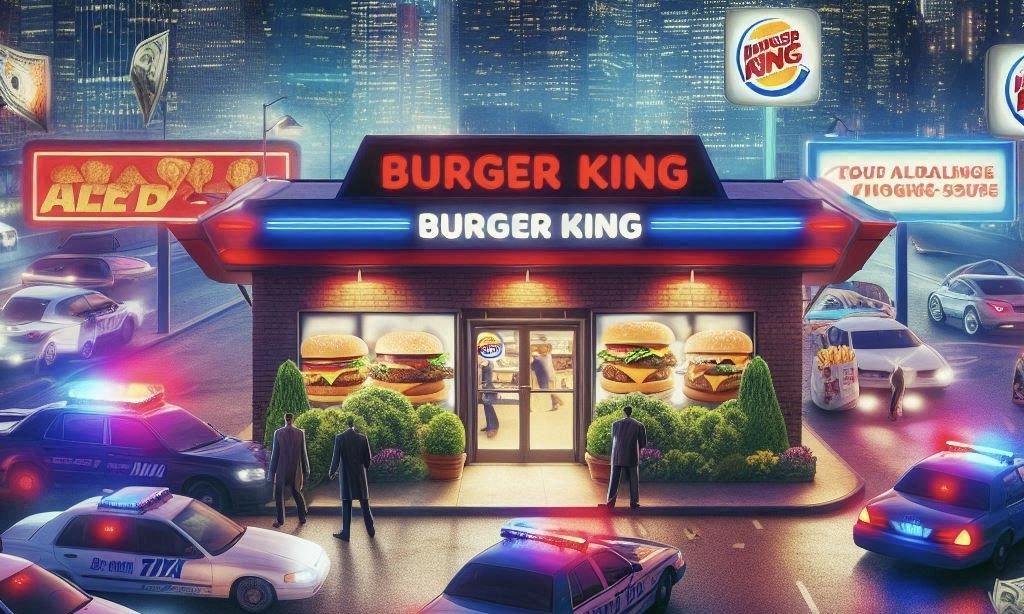
Drug dealing claims at an NYC Burger King have sparked a multi-million-dollar legal feud. Resident Kevin Kaufman alleges the franchisee allowed the restaurant to become an "open-air drug bazaar," leading to significant neighborhood distress and a sharp decline in property values.
NYC Resident Files $15 Million Lawsuit Against Burger King Franchisee Over Alleged Drug Dealing Operations
According to a $15 million lawsuit filed in the Manhattan Supreme Court (via Fox Business), a resident has filed suit against the franchisee of a Burger King location at 106 Fulton St., alleging that he allowed the establishment to become an "open-air drug bazaar" where drug dealing gangs use it "as a base of operation" to sell illegal drugs in and around the restaurant.
Kevin Kaufman, a resident, asserts that franchisee owner Lalmir Sultanzada permits illegal selling and has not employed security to deter criminal activity; as a result, the neighborhood attracts emotionally disturbed individuals who terrorize the locals and degrade their quality of life.
"These professional drug dealers, who have long criminal records and are well known among local law enforcement, operate in broad daylight from hours before the Burger King opens until hours after the Burger King closes, so openly that it is impossible for [Burger King and the franchise owner] to be unaware of this neighborhood nightmare," the March 5 suit stated.
"Fulton Street is now a neighborhood in crisis," the suit reads, with Kaufman claiming he has suffered "extreme emotional distress as a direct result of defendants' dangerous, illegal, unethical, and outrageous activity."
The lawsuit contends that the precipitous decline in the value of condominiums on Fulton Street is a direct consequence of Sultanzada's "reprehensible and morally reprehensible acceptance of illicit drug operations."
Because Sultanzada has turned a blind eye to the problem and refuses to employ private security, Kaufman, vice-chairman of the Fulton Street Coalition, a non-profit that "addresses the neighborhood's safety, welfare, and quality of life," asserts that neighbors are afraid to go outside at night.
NYC Mayor Visits Burger King Amid Drug Dealing Claims, Franchisee Files $30 Million Countersuit
The litigation even piqued the interest of Eric Adams, the mayor of New York City, who visited the restaurant in March, after the news article was published in the New York Post. According to Adams' office, the mayor did not meet with drug traffickers but rather homeless individuals inside the Burger King, where he allegedly "connected them to services."
It is approximately six blocks from Adams' office to the fast-food restaurant. However, Sultanzada responded to Kaufman in a $30 million countersuit filed last month, holding him accountable for the condition of the neighborhood because he is a member of a non-profit organization whose sole objective is to maintain the area's safety and quality of life.
The countersuit contends that Burger King's obligations "are limited to providing restaurant services to patrons and [it has] no obligation whatsoever to provide law enforcement services and/or ensure the safety, welfare, and quality of life of the neighborhood."
The countersuit also asserts that Kaufman is motivated by financial gain and that his characterization of the restaurant as an "open-air drug bazaar" that is "terrorizing his neighborhood" is racially charged, given that Sultanzada is an Afghan immigrant.
The countersuit also emphasizes an interview Kaufman conducted with the New York Post in which he attributes the city of New York's rampant drug trafficking to its criminal policies and laws.
"Defendants have absolutely no authority or control over such criminal laws and policies and the only possible action Burger King can take is to call the police, which it has done on many occasions," the countersuit reads.
Burger King did not respond to the comment request made by Fox Business before publication.
Photo: Microsoft Bing







