


 US Judge Dismisses Imran Ahmed Deportation Lawsuit
  Saudi Arabia Shuts East-West Oil Pipeline After Drone Attack
  US Bans Canadian Alcohol, Motorcycles as Trade War Escalates
  Countries Tighten Social Media Bans for Children
  Mahmoud Khalil Sues Columbia Over Alleged Pro-Palestinian Harassment
  Australia Defends Social Media Algorithm Law Amid US Concerns
  Texas Republicans Turn Against AI Data Centers as Election Backlash Grows
  Lula, Flavio Bolsonaro Deadlocked in Brazil Election Polls
  Brazil Warns EU of Retaliation Over Animal Products Ban
  Trump Eyes End to Iran War, Plans Gulf Leaders Meeting
  U.S. Imposes New Visa Restrictions Over South Africa Policies
  SEC Probes Banks Over Situational Awareness Hedge Fund Collapse
  U.S. Issues Cuba Health Alert as Illnesses Rise
  Ukraine Tests New Anti-Drone Weapon After Successful Shahed Intercept
  Iran Economic Crisis Forces Afghan Families to Return Home
  Rodrigo Duterte Makes First Public Appearance at ICC in 18 Months
  Australia Tightens Student Visa Rules, Targets Migration Cut by 2028


 Add as a preferred source on Google
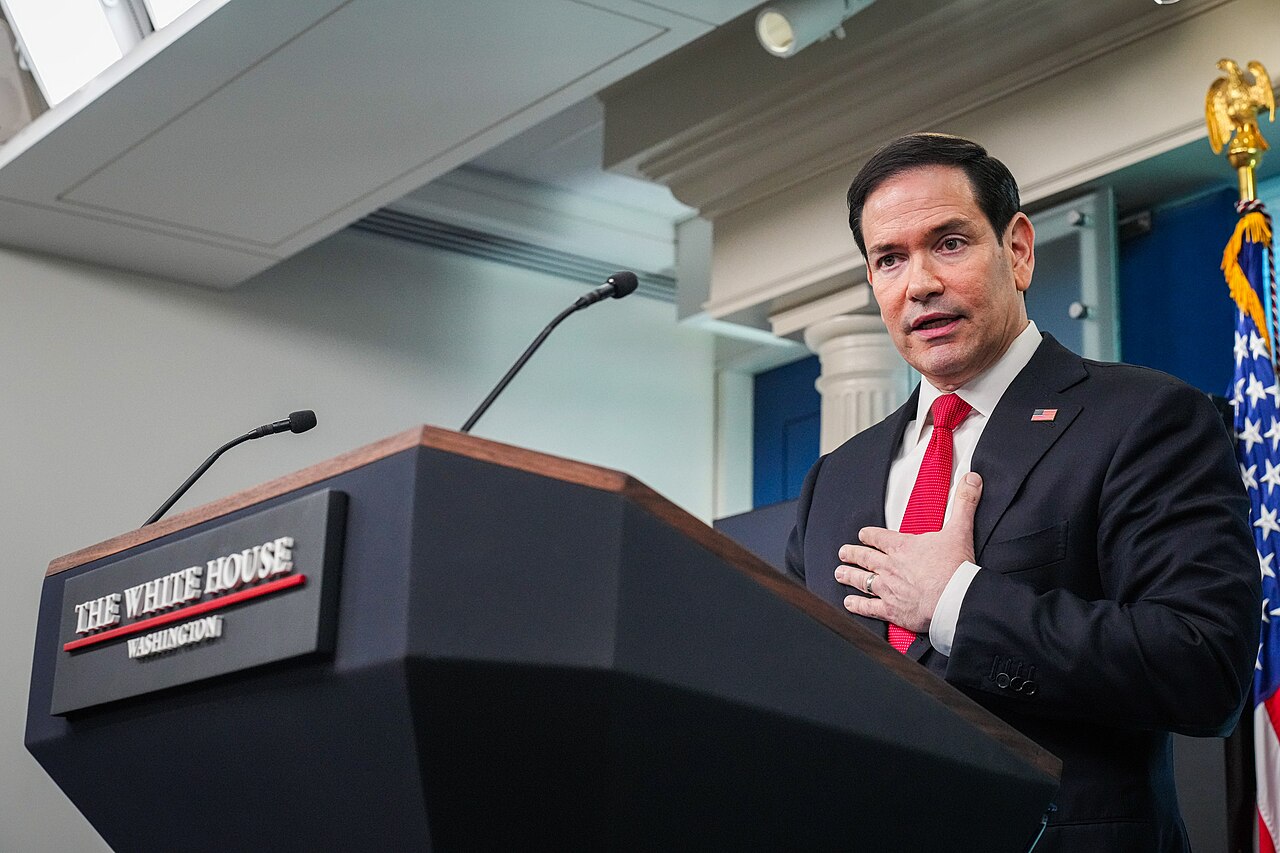
U.S. Secretary of State Marco Rubio announced on Thursday that the United States has officially designated Tanzanian police official Faustine Jackson Mafwele over alleged human rights violations. The move is part of Washington’s ongoing efforts to hold foreign officials accountable for abuses linked to violence, intimidation, and violations of civil liberties.
According to Rubio’s statement, the designation bars Mafwele from entering the United States. The U.S. government did not release extensive details regarding the allegations, but officials said the action reflects America’s commitment to promoting accountability and protecting human rights worldwide.
The sanctions against the Tanzanian police official come amid increasing international scrutiny over human rights concerns in several African nations. Human rights organizations have repeatedly called for stronger action against officials accused of abuses involving political repression, unlawful detention, and violence against civilians.
Rubio emphasized that the United States remains committed to supporting democratic values, transparency, and the rule of law. He noted that individuals involved in serious human rights violations should face consequences regardless of their position or influence.
The decision to impose travel restrictions on Faustine Jackson Mafwele highlights Washington’s broader foreign policy strategy aimed at discouraging abuse of power and promoting justice through targeted sanctions. Such measures are commonly used by the U.S. government to pressure foreign officials without directly impacting the broader population of a country.
Tanzania has faced criticism in recent years from international observers and rights groups over concerns related to political freedoms and law enforcement conduct. However, Tanzanian authorities have previously defended their security operations, arguing they are necessary to maintain peace and public order.
The U.S. designation is expected to draw international attention and could increase diplomatic pressure regarding human rights practices in Tanzania. Observers say the move also signals that the United States is prepared to take action against officials accused of violating internationally recognized human rights standards.







