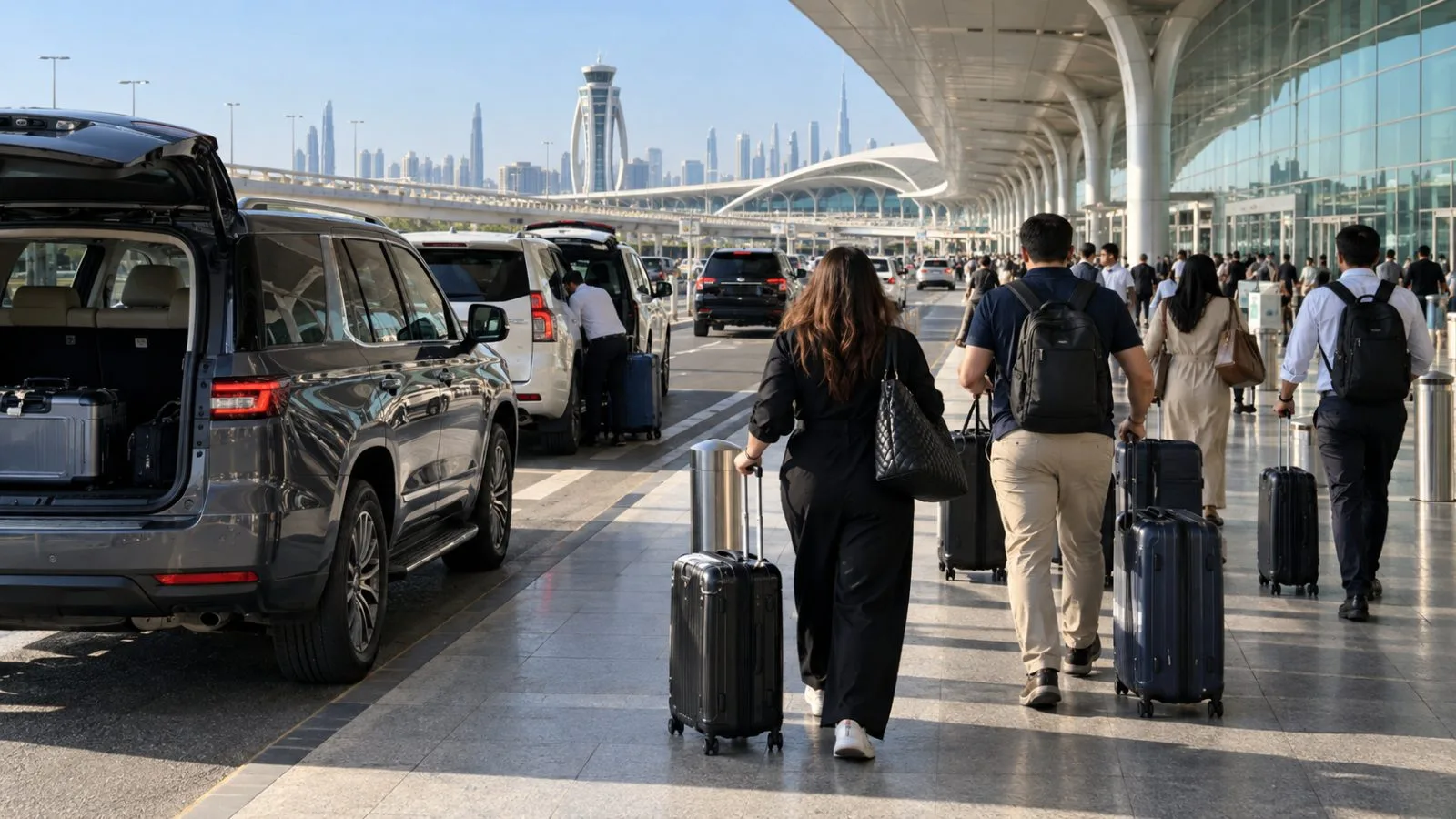
Dubai's mobile passport-control pilot recorded 31,373 transactions from May through Aug. 31, 2026, but passport-free international travel still depends on countries agreeing to accept digital identities across borders.
Dubai Airports CEO Paul Griffiths said in a Nov. 9 LinkedIn post that physical passports could become redundant within five years. His estimate depends on governments, airlines and airports making their identity systems work across national boundaries; it is not a launch date. EconoTimes previously reported Griffiths' forecast.
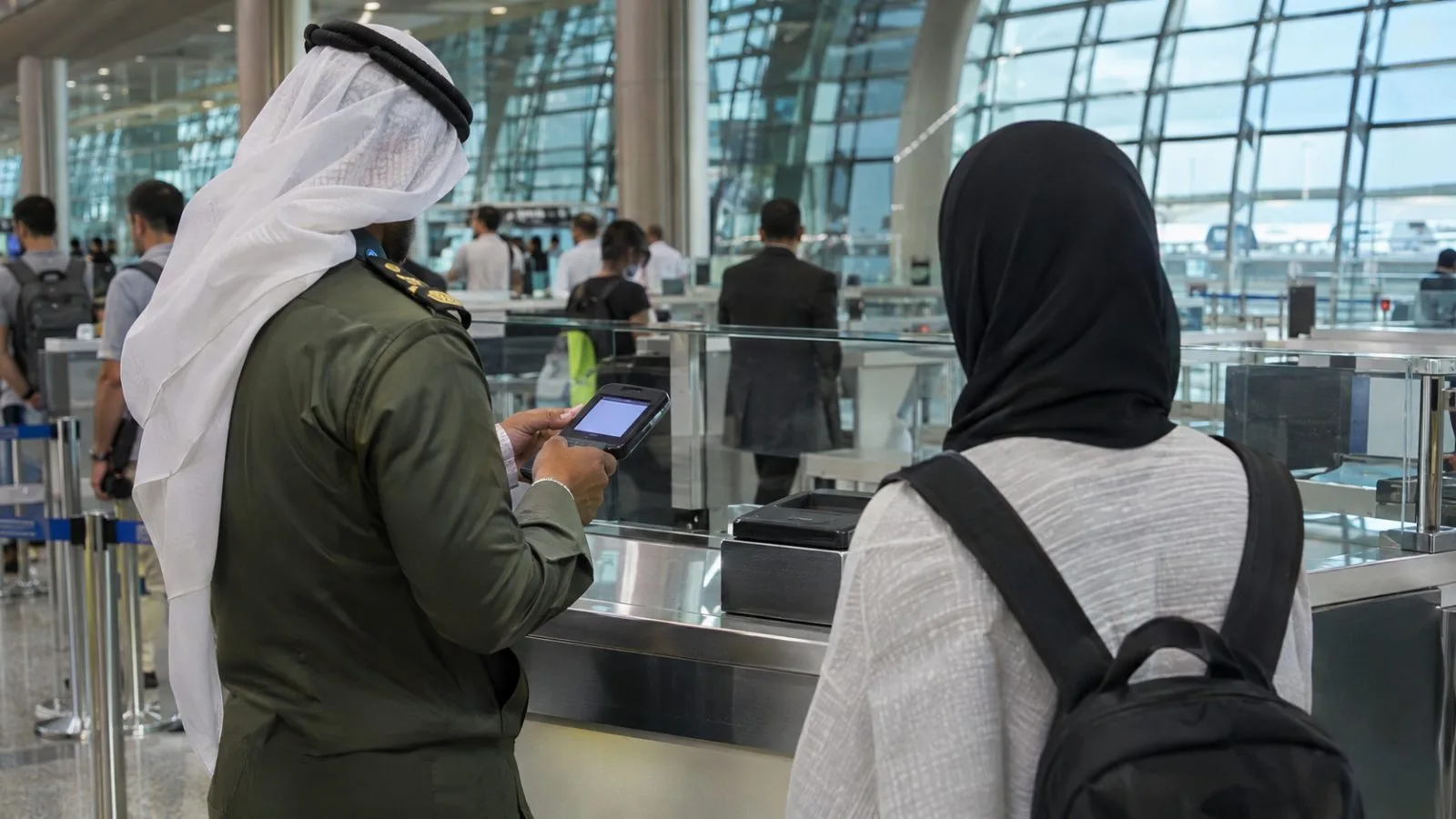
The General Directorate of Identity and Foreigners Affairs – Dubai said Click and Travel lets officers handle passport control with mobile devices away from fixed desks. The authority put the time for an individual transaction at about 12 to 15 seconds.
At launch, Click and Travel covered departing UAE citizens, residents and visitors. Its first arrival phase covered UAE citizens and residents, with wider arrival access planned. The authority gave no date for that expansion.
Emirates said it invested AED 85 million in more than 200 biometric cameras across Terminal 3 at Dubai International Airport. Registered customers can use facial recognition at participating airport locations. Travelers who enroll through the airline's app must still scan a passport and give consent.
Those services can reduce repeated document checks at the airport. They do not establish that another country's border authority will accept a traveler's digital credential in place of a physical passport. The International Air Transport Association (IATA) reported successful cross-border digital-identity trials in April 2026, while saying wider use requires governments to issue and accept digital travel credentials.
IATA's One ID approach also calls for identity systems that work together and controls over the information travelers share. IATA Director General Willie Walsh said governments must “accelerate efforts to issue and accept Digital Travel Credentials.”