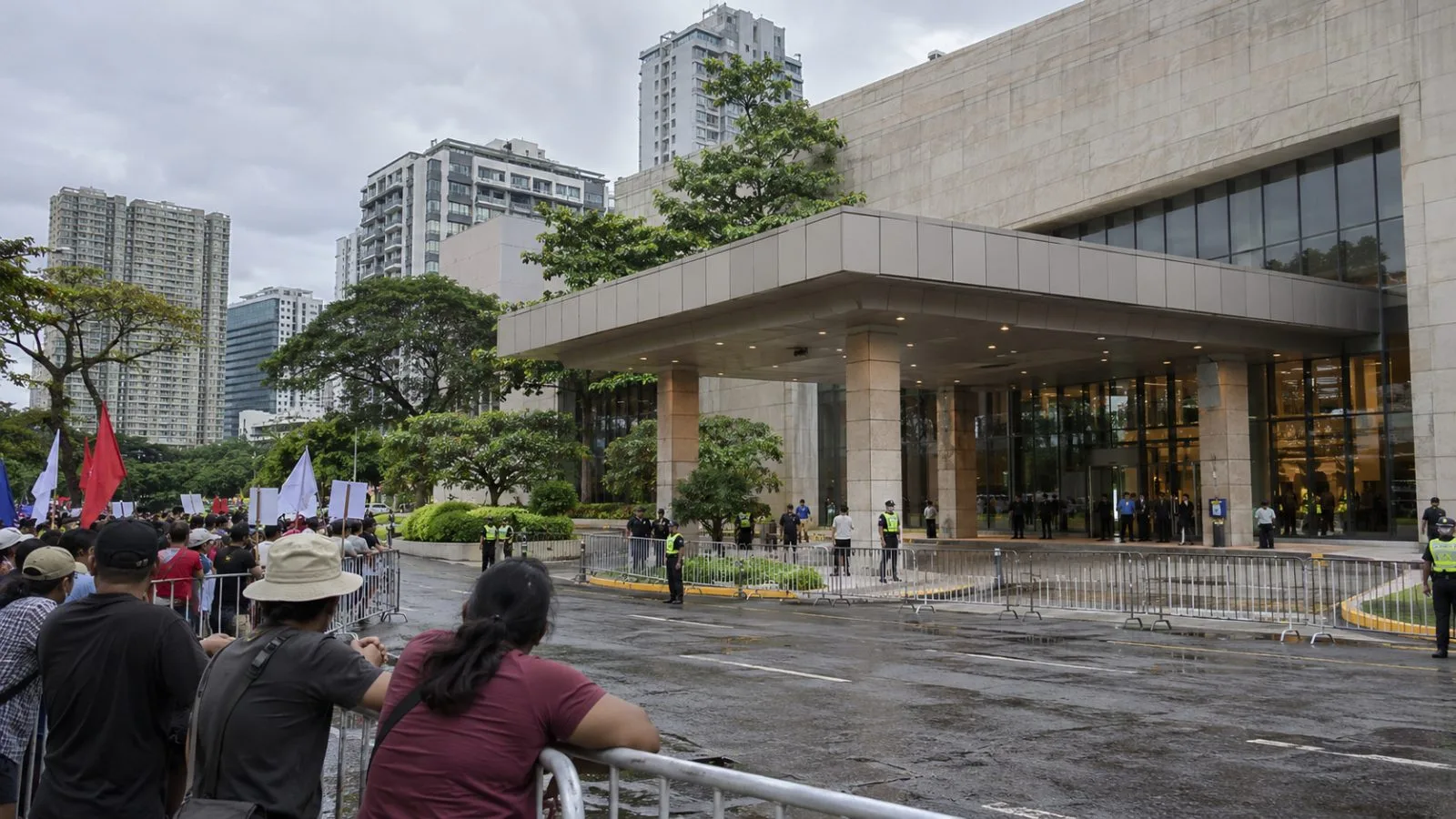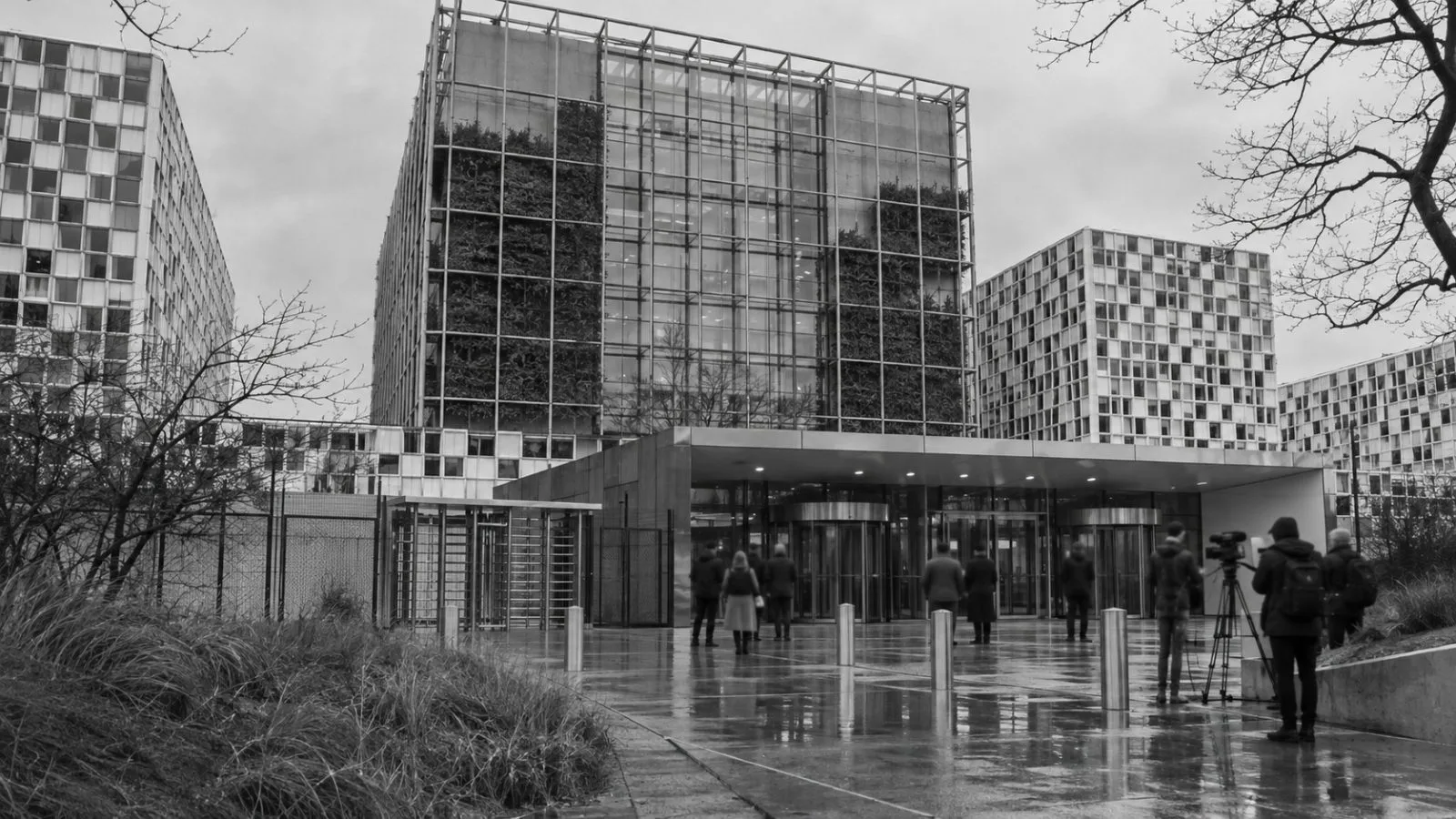
Former Philippine leader Rodrigo Duterte is scheduled to go on trial before the International Criminal Court (ICC) on Monday, Nov. 30, over alleged crimes against humanity in a high-profile case tied to his anti-drug campaign.
The Independent reported that thousands of people were killed during the campaign.
The court says it has jurisdiction because the Philippines was a member until Duterte withdrew it from the court partway through his term.
Established in 2002, the ICC handles cases involving four offenses: war crimes, crimes against humanity, genocide and aggression. Its jurisdiction includes crimes committed in the territory of its 125 member states and, in some circumstances, offenses committed abroad by nationals of member states.
All 27 European Union countries are members, along with rich democracies and many developing nations. The United States, China, Russia and India are not members. The State of Palestine is a member, while Israel is not.
The court has handled 34 cases and recorded 15 convictions. Ten of those convictions were for crimes against humanity or war crimes, and all 10 of those convictions involved African militia leaders.
ICC judges have issued 68 arrest warrants, while 34 suspects remain at large. Only one former national leader, Laurent Gbagbo of Ivory Coast, has previously appeared before the court in a case involving alleged conduct while in office. Gbagbo was acquitted in 2019.
The ICC also has warrants for four current national leaders: Netanyahu, Putin, Hibatullah Akhundzada and Min Aung Hlaing.
The United States never joined the court, and the Trump administration strongly opposes it, describing the institution as political and a threat to U.S. service members. President Donald Trump called the ICC a “rogue institution” and “an evil group of people” at the United Nations General Assembly in September.
Trump imposed sanctions on some court officials during his first term and on the ICC itself this year. Washington says the measures are intended to force major changes or shut the court down.
The sanctions could exclude the court from the global financial system, while court officials say they have prepared to keep operating by replacing some computer software with open-source alternatives. ICC officials have characterized the U.S. sanctions as an attack on international justice.
Proceedings are scheduled to begin Monday, Nov. 30.