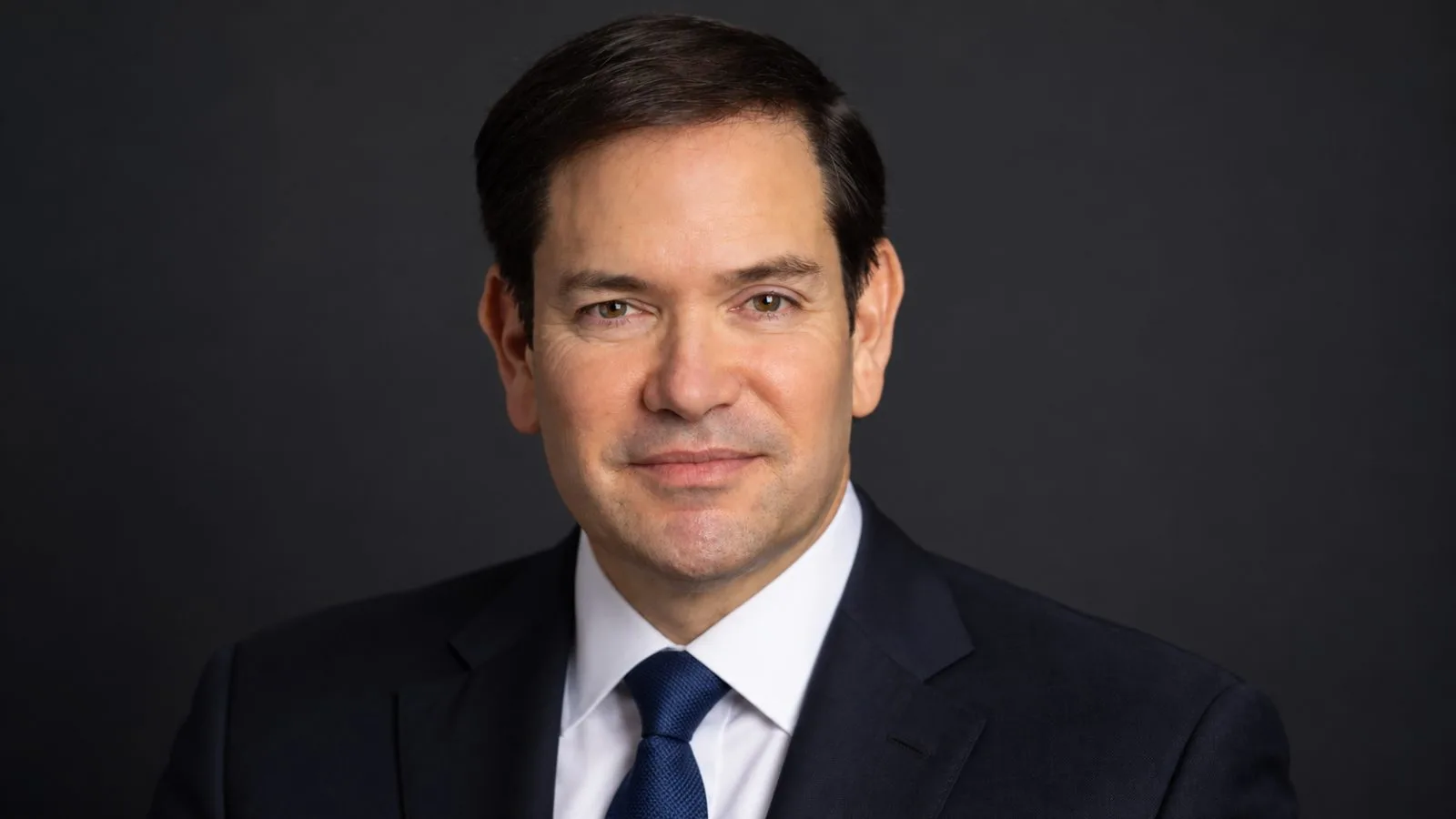
U.S. Secretary of State Marco Rubio said Venezuela could ideally hold elections in 2027, linking any vote to institutional reforms and economic progress, The New York Times reported.
Rubio did not guarantee an election before President Donald Trump leaves office, the Times reported. He said Washington-backed talks involving Venezuela’s interim government and opposition representatives could lead to a reformed Supreme Court. He also pointed to changes in the security forces, while acknowledging that security and debt issues might remain unsettled when voters go to the polls.
The Times put Venezuela’s debt at more than $200 billion and reported that Rubio said the burden weighs on investment. He called for progress on restructuring the debt, rather than requiring that work to be complete before an election. An unnamed U.S. official told the Times, speaking anonymously because the discussions were confidential, that restructuring could help open a path to easing broad U.S. sanctions. The official said restrictions also help prevent creditors from seizing Venezuelan assets.
The Associated Press reported Nov. 2 that Venezuelan authorities and opposition representatives had accepted a framework for changing election procedures ahead of a possible 2027 vote. The Times placed the reform debate in the context of the 2024 presidential election, when authorities declared Maduro the winner despite evidence that his opponent received more votes.
A State Department readout of Rubio’s Nov. 2 meeting with Foreign Minister Oliver Blanco said they discussed institutional reforms but gave no election timetable. EconoTimes covered the absence of a date in its earlier account of the Rubio-Blanco talks.
Negotiators were expected to discuss appointments to the electoral council the following week, while Supreme Court reform had a mid-December target, The New York Times reported.