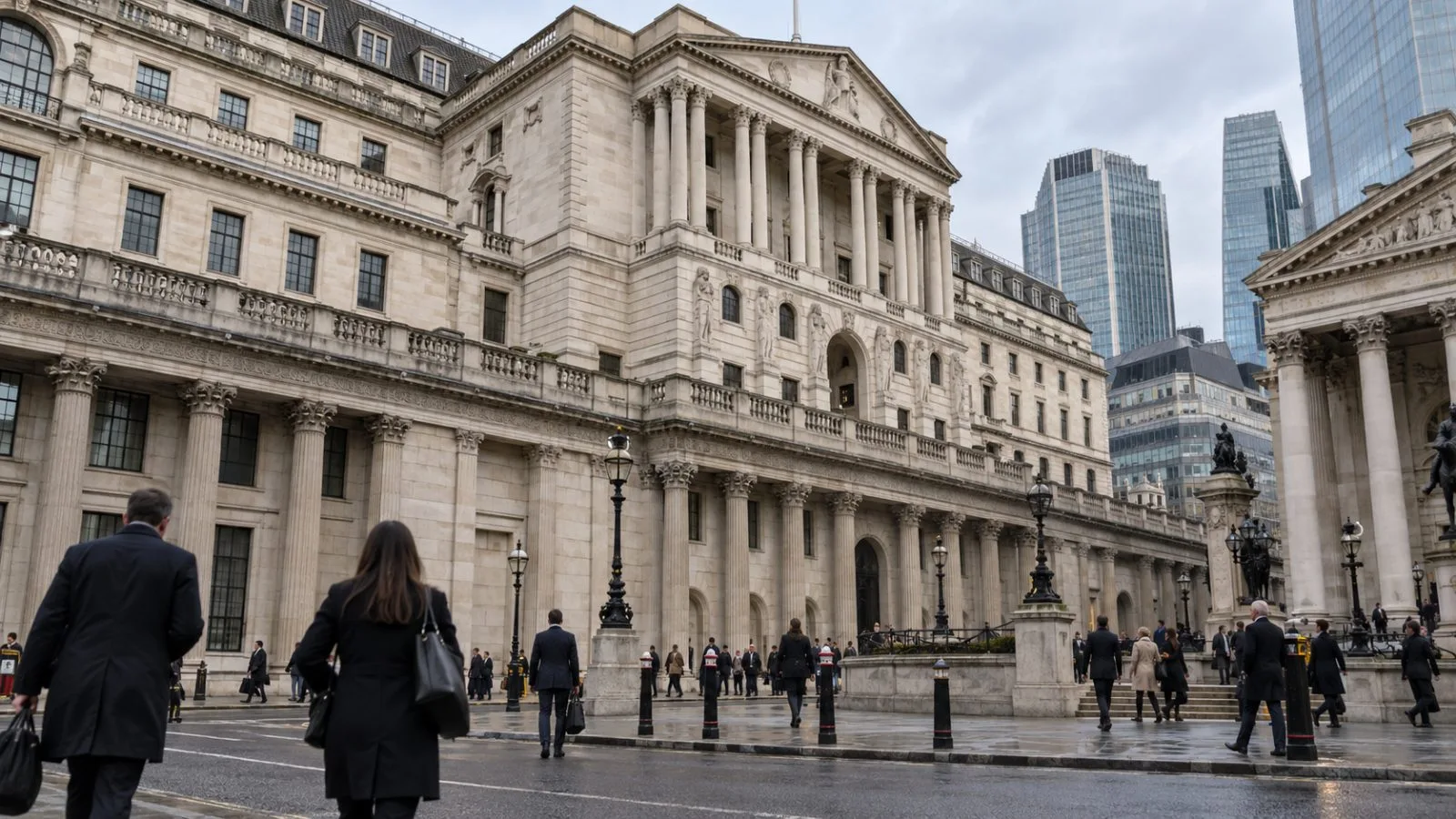
The European Central Bank warned Thursday that a larger or longer energy shock could push euro area inflation higher and slow activity, as the September headline inflation rate reached 3.8%.
Euro area inflation rose from 3.2% in August, while energy price inflation climbed to 18.9% from 14.3%, according to the ECB’s Oct. 29 monetary policy statement. Energy prices are running above the bank’s September outlook, which officials said could raise near-term price pressure and leave headline inflation above its 2% target for several quarters.
The ECB linked the risks particularly to the Middle East conflict and developments in Russia’s war against Ukraine. Further supply disruption could keep energy costs elevated, squeeze real incomes and weigh on spending and investment. The bank also cautioned that a prolonged shock could spread to prices beyond energy and affect wage-setting.
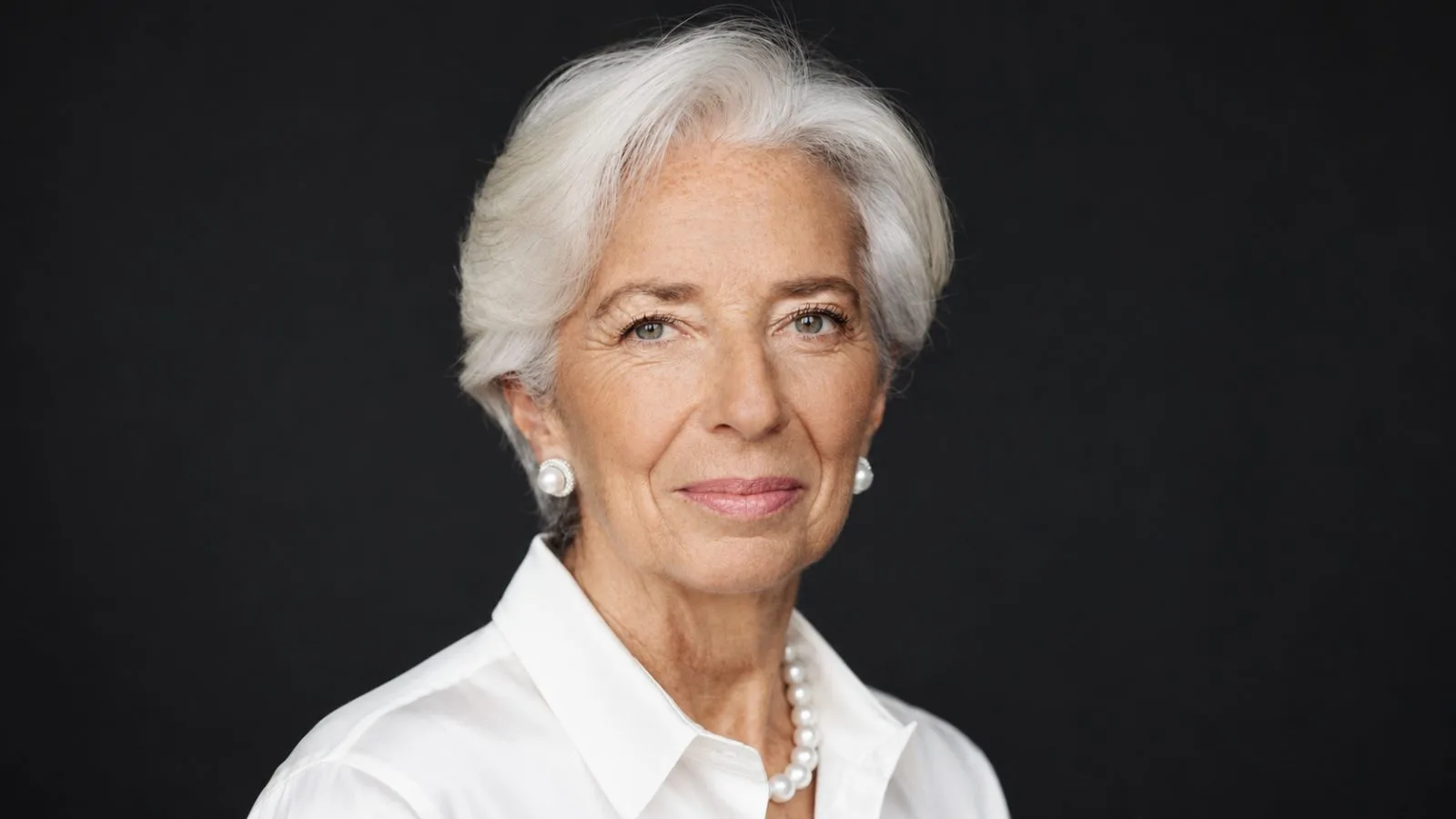
ECB President Christine Lagarde said underlying price indicators had changed little and wage data showed no clear response to the energy shock so far.
The ECB left its deposit facility, main refinancing and marginal lending rates at 2.5%, 2.65% and 2.9%, respectively, on Oct. 29. EconoTimes covered the ECB’s rate decision. The bank expects easing energy inflation and the effects of past rate increases to move inflation back toward its target over time.