The European Central Bank left its deposit rate unchanged at 2.5% as rising energy prices threatened to push inflation higher and weaken economic growth, the central bank said on Oct. 30.
The decision kept all three of its interest rates unchanged while the full effects of an energy shock continued to unfold. The central bank said tighter financing conditions could weigh on both inflation and growth.
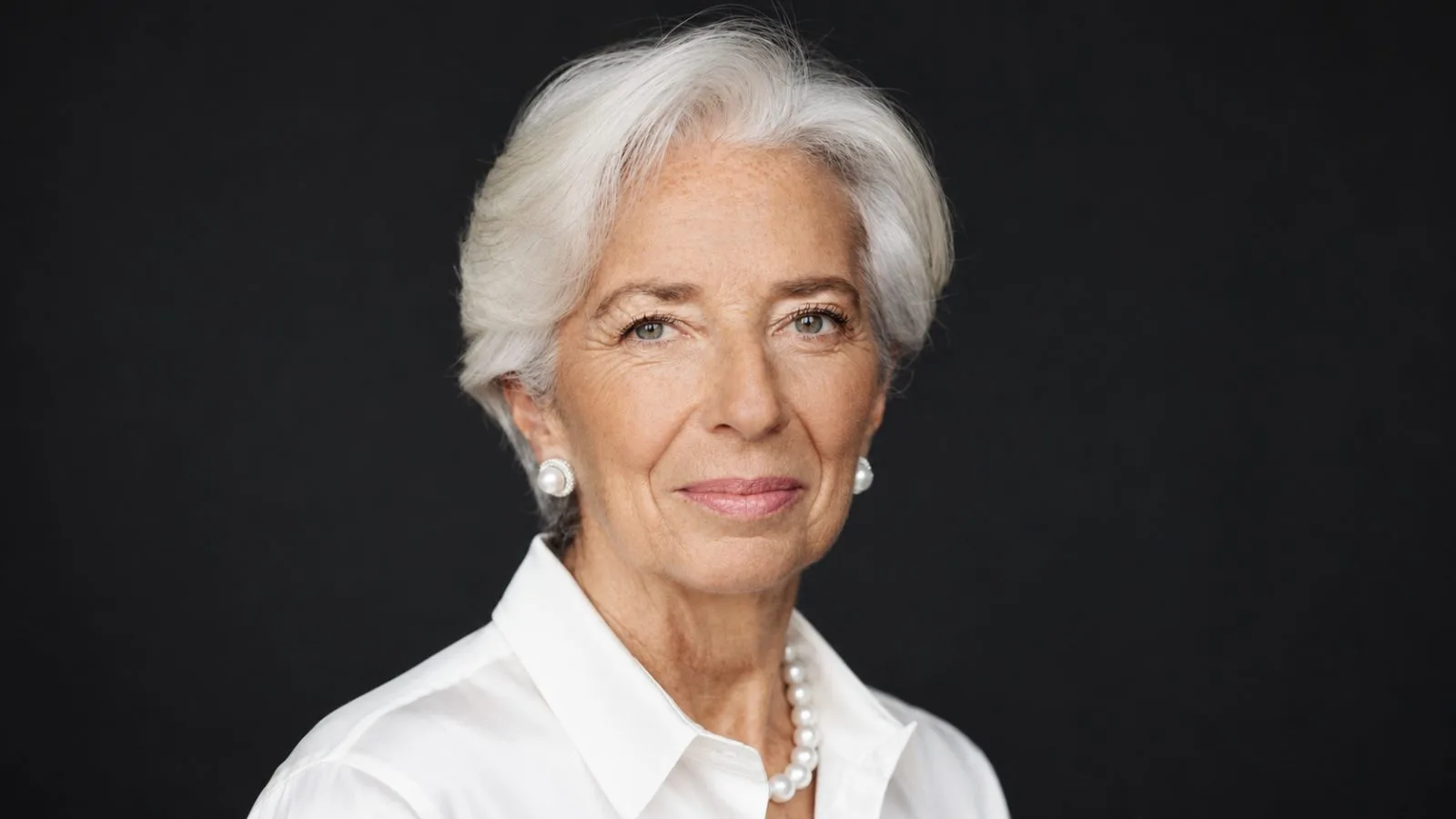
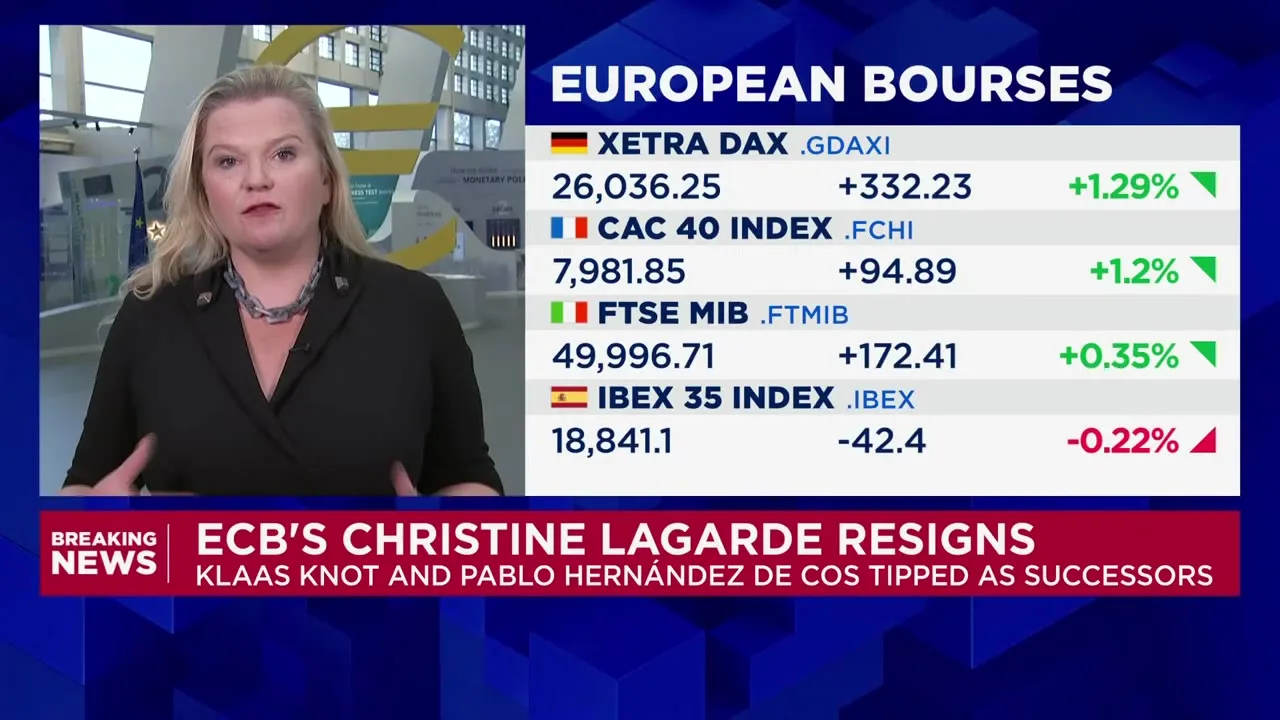
European Central Bank President Christine Lagarde also announced she would step down early on Feb. 7, CNBC International reported on its “Decision Time: European Central Bank” programme, published the same day.
Her departure puts the choice of a successor alongside decisions about borrowing costs as the central bank faces weak growth and inflation above its target. No successor was announced in the remarks.
The central bank kept its refinancing rate at 2.65% and its marginal lending rate at 2.9%. Those rates govern other forms of lending by the central bank to commercial banks.
Energy prices continued to rise, increasing the risk of higher inflation and weaker growth. Underlying inflation, which measures broader price trends beyond volatile components, had remained broadly stable so far.
The central bank said financing conditions had tightened since its previous meeting. That change was likely to weigh on inflation and growth, adding another consideration to its assessment of the energy shock.
Future rate decisions would depend on incoming data and an assessment at each meeting. The central bank would consider the inflation outlook and the risks surrounding it before deciding whether to change borrowing costs.
It made no commitment to a particular path for interest rates. It also said it was ready to adjust its tools to ensure inflation stabilised at its 2% target.
Lagarde’s departure announcement ended months of speculation about her future. Former Dutch and Spanish central bank governors were among the possible successors, alongside the Bundesbank president and the head of the European Investment Bank.
The succession comes ahead of France’s presidential election in April. Marine Le Pen of the far-right National Rally was polling as the favourite, placing the choice of the next central bank president against an uncertain political backdrop.
French President Emmanuel Macron expressed gratitude to Lagarde and said the transition must be prepared in an “orderly and balanced manner” with European partners.
The remarks left open who would replace Lagarde and when European leaders would agree on a candidate. The central bank’s decision also left open how long it would hold rates at their current levels.