The U.S. Environmental Protection Agency said preliminary tests found no increase in Iowa drinking-water metal levels after the Army destroyed an unstable lead-azide stockpile, while results from more than 3,200 samples await validation.
The early result covers local drinking-water supplies, not the full environmental testing program. EPA said remaining laboratory work spans air, soil, dust and water samples collected before and after Wednesday’s controlled detonation near Middletown, Iowa.
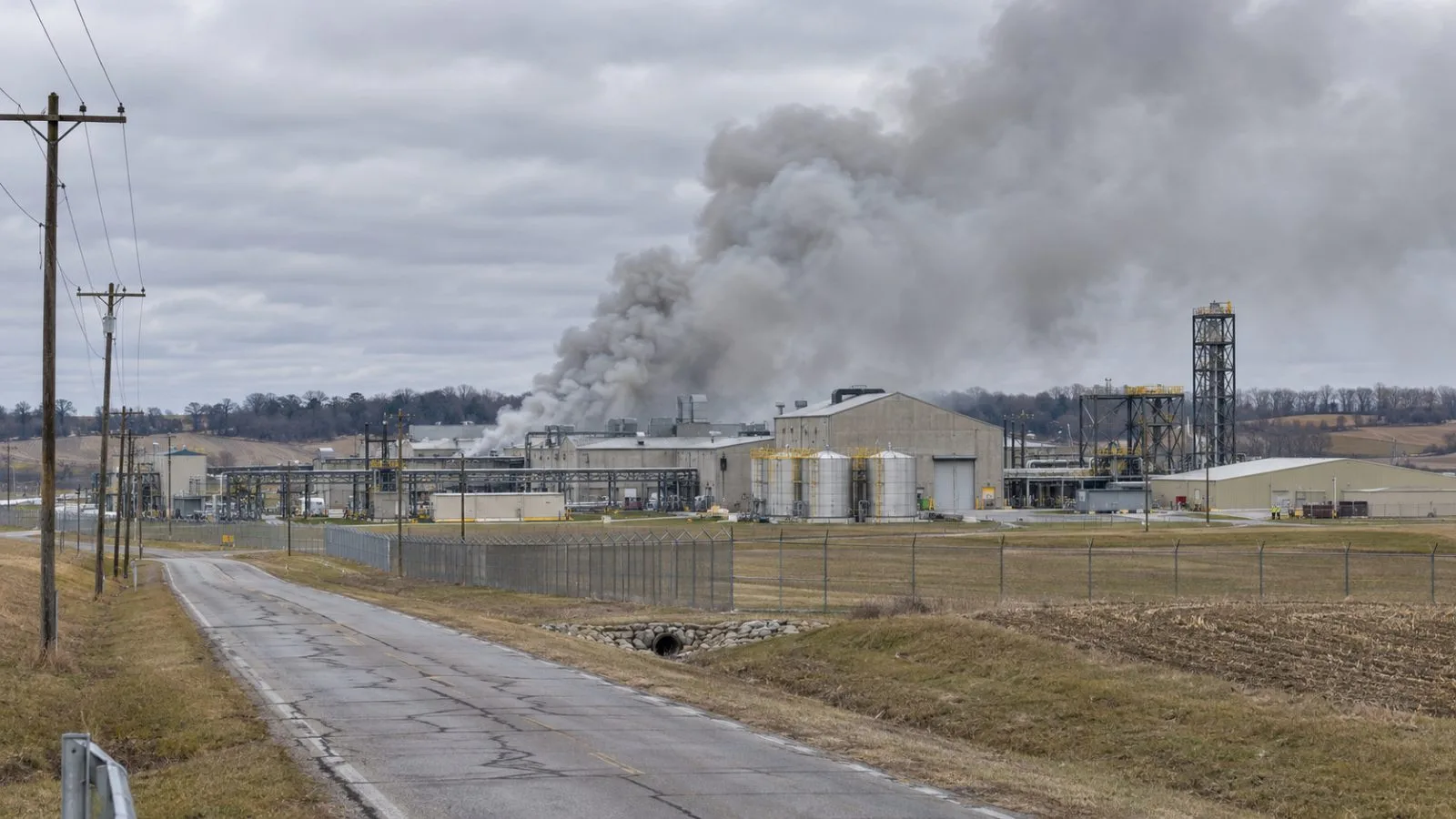
Nearly 70 barrels holding about five tons of lead azide were destroyed in the operation. The Army had said age-related crystallization made the decades-old material more sensitive to friction, shock and cold, and described immediate destruction as necessary because the unstable compound could detonate as temperatures fell.
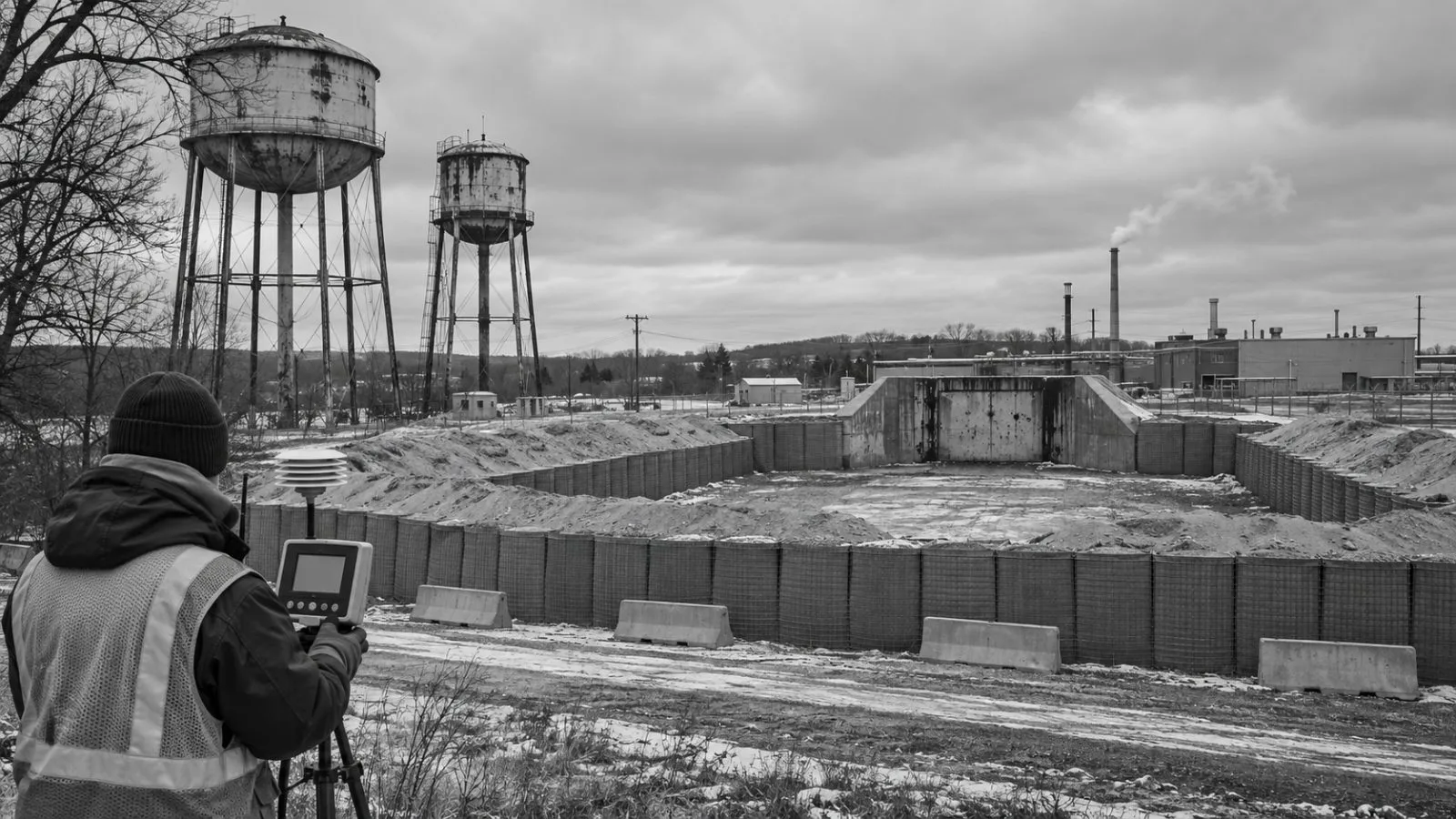
An EPA emergency permit for the intentional detonation took effect Nov. 13 and runs through Feb. 11, 2027. The Army said safeguards included sand-filled barriers, water tanks, gel blocks, foam and water-misting systems to limit particle movement.
Roughly 300 personnel carried out fieldwork Thursday at area schools, playgrounds, churches and residences. Crews had taken more than 1,500 baseline samples before the blast, then added hundreds of tests at parks, homes and municipal-water sites.
EPA used Xact monitors to track airborne lead for 30 hours after the detonation. The agency’s real-time Xact readings showed no airborne lead detection, while the broader laboratory results remained subject to validation.
Lead exposure carries serious health risks, particularly for pregnant women and young children. Residents also faced immediate disruption, including sheltering and limits on outdoor activity.
Community members and local representatives criticized the Army’s handling of the operation, citing limited advance notice. Middletown residents were informed about the planned blast, but most regional leaders and citizens outside the community did not learn about the danger until shortly before detonation.
The update follows EconoTimes’ earlier report on EPA’s initial airborne-lead readings. EPA said it will issue further updates as additional laboratory results are returned and validated.