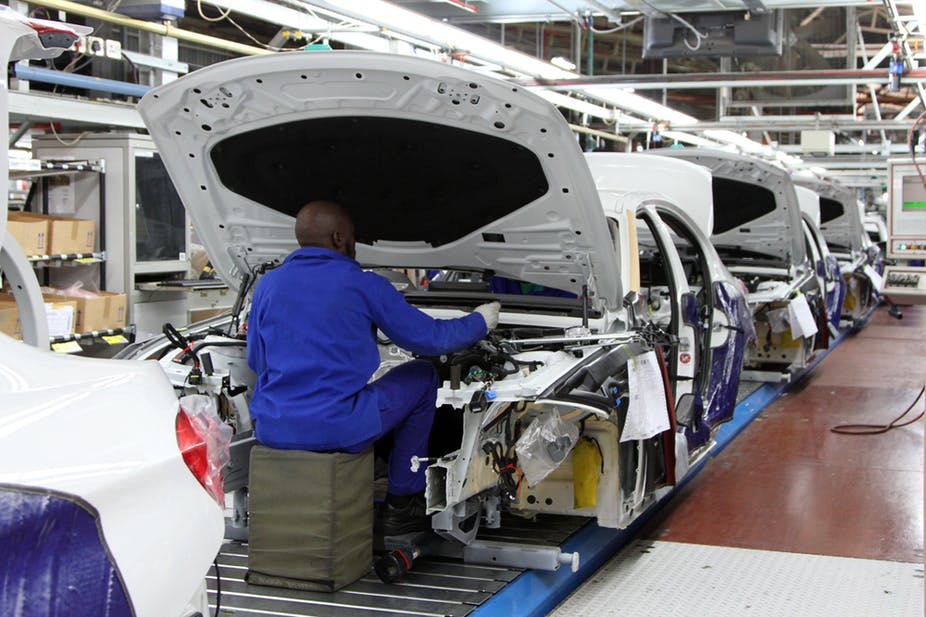
The European Commission signaled it is prepared to defend its economic interests after the United States threatened to impose new tariffs on European vehicles, raising concerns over a potential escalation in transatlantic trade tensions. The warning follows remarks by U.S. President Donald Trump, who announced plans to increase tariffs on car and truck imports from the European Union to 25% as early as next week.
According to the Commission, such a move could violate the terms of the EU-U.S. trade agreement reached last year, an arrangement designed to stabilize economic relations and promote fair trade practices between the two global powers. EU officials strongly rejected claims from Washington suggesting that the bloc had failed to meet its obligations under the agreement.
A spokesperson for the European Commission emphasized that the EU has consistently adhered to its commitments and has maintained transparency with U.S. counterparts throughout the legislative process. The Commission reiterated that it follows established EU procedures and keeps the United States informed of relevant developments, countering allegations of non-compliance.
Despite the growing tension, the EU expressed its continued commitment to a stable and mutually beneficial transatlantic trade relationship. However, officials made it clear that the bloc is ready to explore all available options if the U.S. proceeds with measures deemed inconsistent with the agreed framework. This could include retaliatory tariffs or other trade defense mechanisms aimed at protecting European industries.
The situation highlights ongoing friction in global trade policies, particularly in key sectors such as automotive manufacturing. As both sides weigh their next steps, businesses and markets are closely monitoring developments that could impact supply chains, pricing, and international trade flows. The outcome of this dispute may shape the future direction of EU-U.S. economic relations and broader global trade dynamics.