The United States delivered some of its strongest criticism of Russia in recent months during a United Nations Security Council meeting, urging Moscow to halt its threatened “systematic strikes” against Kyiv following a large-scale missile and drone assault on the Ukrainian capital.
The emergency U.N. session was requested by Ukraine after Russia launched hundreds of drones and missiles at Kyiv and nearby regions on Sunday. The attack included the use of an Oreshnik intermediate-range ballistic missile, a nuclear-capable weapon that Russia has reportedly deployed against Ukraine multiple times since late 2024.
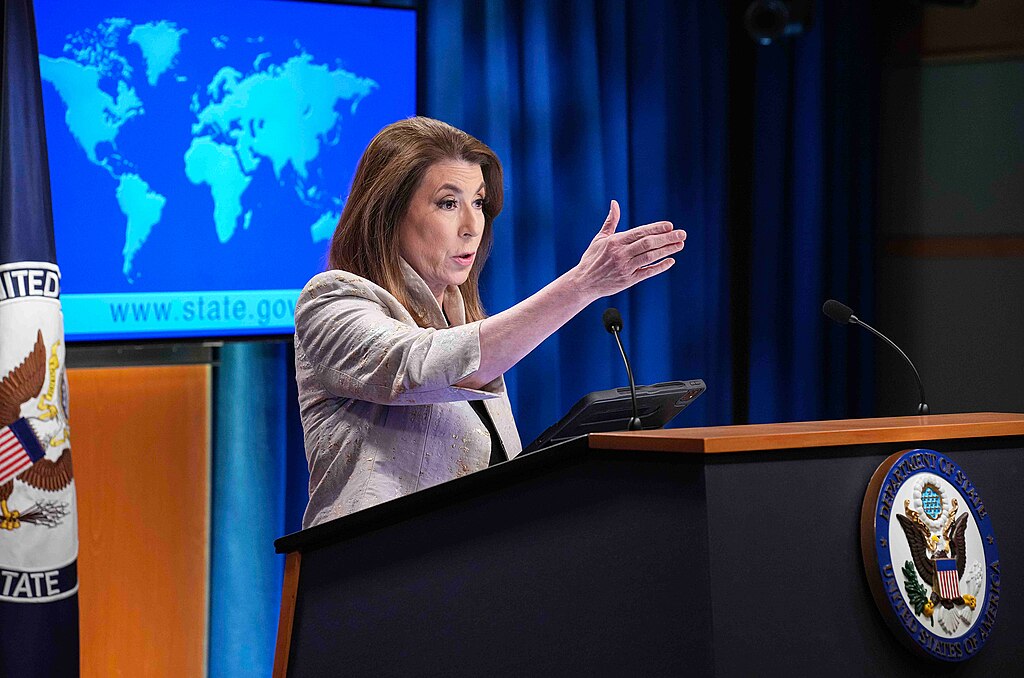
Tammy Bruce, the U.S. deputy ambassador to the United Nations, condemned the assault and described Russia’s use of the Oreshnik missile as a dangerous and unjustified escalation of the ongoing Russia-Ukraine war. She warned Moscow against carrying out additional large-scale attacks on Kyiv, stating that such actions could increase civilian casualties and further damage prospects for a peaceful resolution to the conflict.
According to reports, at least two civilians were killed and approximately 100 others were injured during the bombardment. Russia claimed the strikes were retaliation for a Ukrainian attack on a student dormitory in Donetsk, a region in eastern Ukraine controlled by Moscow-backed separatists since 2014.
Bruce’s remarks stood out as some of the most direct criticism of Russia from the Trump administration, which has generally been viewed as more open to engagement with Moscow than many Western allies. However, she did not specify what measures the United States might take if Russia proceeds with its threat of expanded attacks.
Russian Ambassador Vassily Nebenzia defended Moscow’s actions, insisting that the strikes targeted Ukrainian military and intelligence infrastructure. He also repeated Russia’s warning that future attacks could focus on decision-making centers and command facilities located in Kyiv.
Nebenzia urged foreign nationals, including diplomatic personnel and staff from international organizations, to leave Kyiv due to the possibility of additional strikes. Meanwhile, U.N. Assistant Secretary-General Khaled Khiari expressed deep concern over Russia’s stated plans for continued operations against targets in the Ukrainian capital.
The latest escalation has heightened international concerns over security in Ukraine and raised fears that the conflict could intensify further, complicating diplomatic efforts aimed at ending the war.