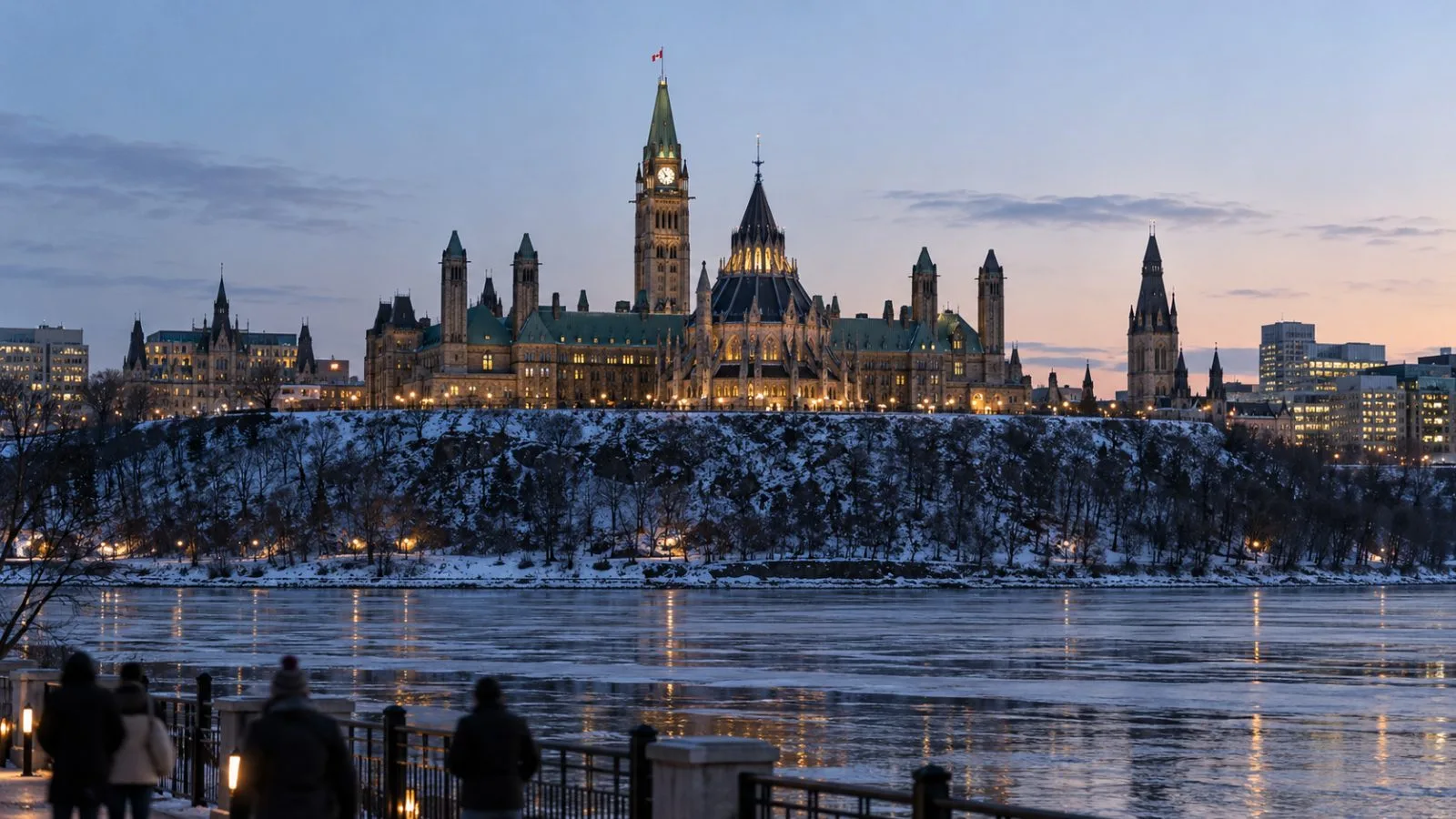
A joint declaration reviewed by Reuters says Canada and the European Union will continue talks on closer ties through next year’s summit, while omitting the disputed “associate member” label.
European Commission President Ursula von der Leyen continued to promote an “association without accession” at an Oct. 29 meeting in Montreal. She pointed to artificial intelligence, climate, energy and security as areas for cooperation. The declaration uses the phrase “ever closer association” and says officials will keep shaping the relationship until leaders meet again next year.
Reuters reported that the associate-member term has no legal meaning and faces opposition from Germany and several other EU countries. Before the summit, four EU governments challenged the label in an earlier version of the text, as EconoTimes previously reported on the dispute.
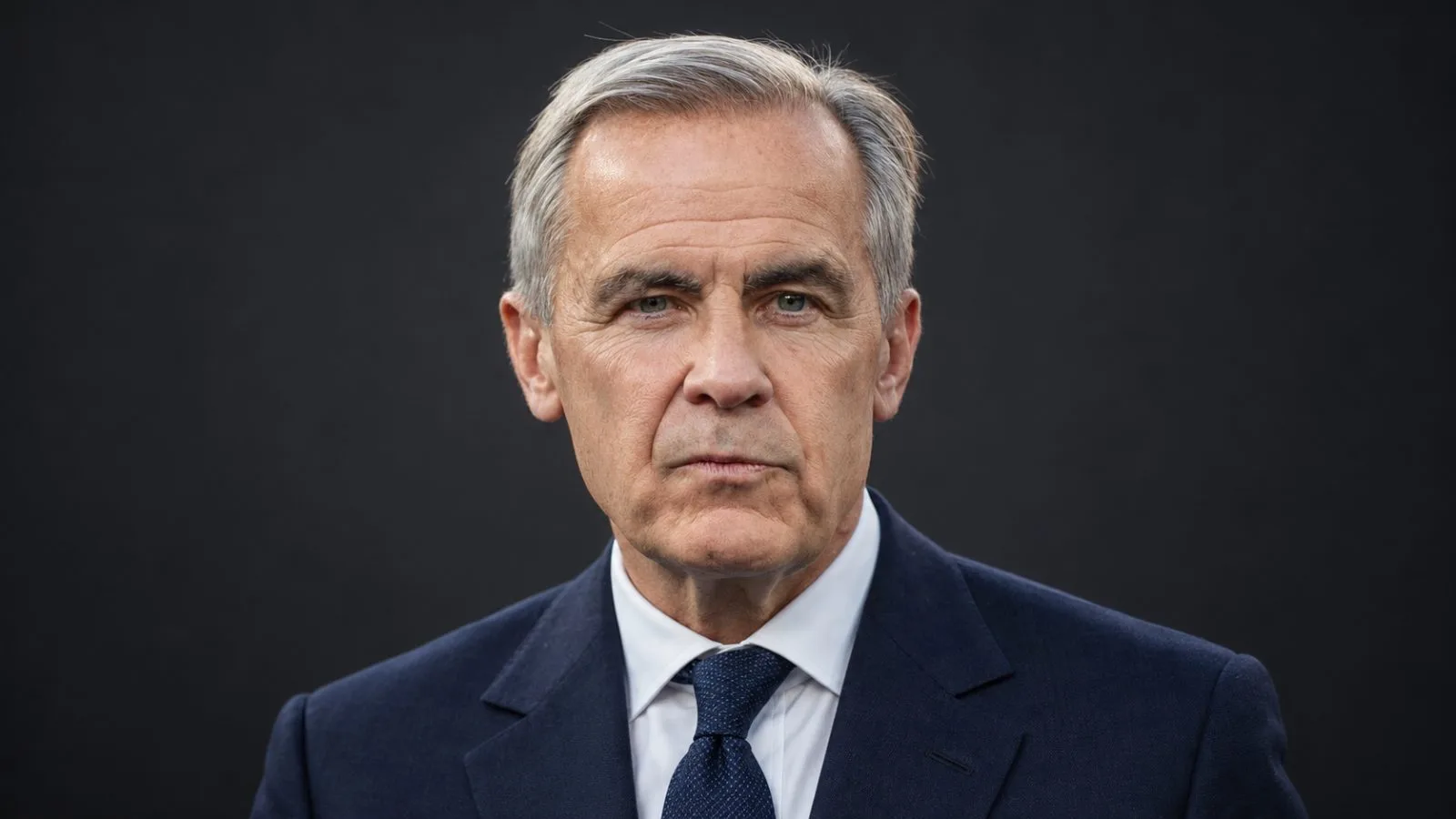
Canadian Prime Minister Mark Carney played down the importance of the title. “The name doesn’t matter,” he told reporters, pointing instead to sovereignty and cooperation on critical minerals, energy and AI.
Reuters reported that Carney is pursuing closer European links as Canada seeks to diversify its economic and security ties after U.S. President Donald Trump imposed tariffs on Canadian goods. The outlet said trade negotiations between Ottawa and Washington are continuing, and the European initiative could add tension with Trump.
Mark Manger, a professor at the University of Toronto’s Munk School of Global Affairs, said Canada and the EU are looking for ways to coordinate in response to geopolitical threats from Trump. He described room for cooperation while pointing to practical hurdles: differences in regulations, new undersea connections and the protection of shared supply networks.
The declaration also calls for a joint study on the potential for Canadian liquefied natural gas exports to Europe and ways for young people from Canada and the EU to work on the other side of the Atlantic. Von der Leyen called for EU-Canada cooperation on Arctic security, citing Russia’s increased military activity and hybrid tactics in the region. Officials planned to publish the declaration Friday, Oct. 30, Reuters reported.