The European Union and United Kingdom concluded negotiations on a package covering food trade, emissions markets and youth mobility Friday, aiming to reduce post-Brexit frictions while leaving implementation subject to legal procedures.
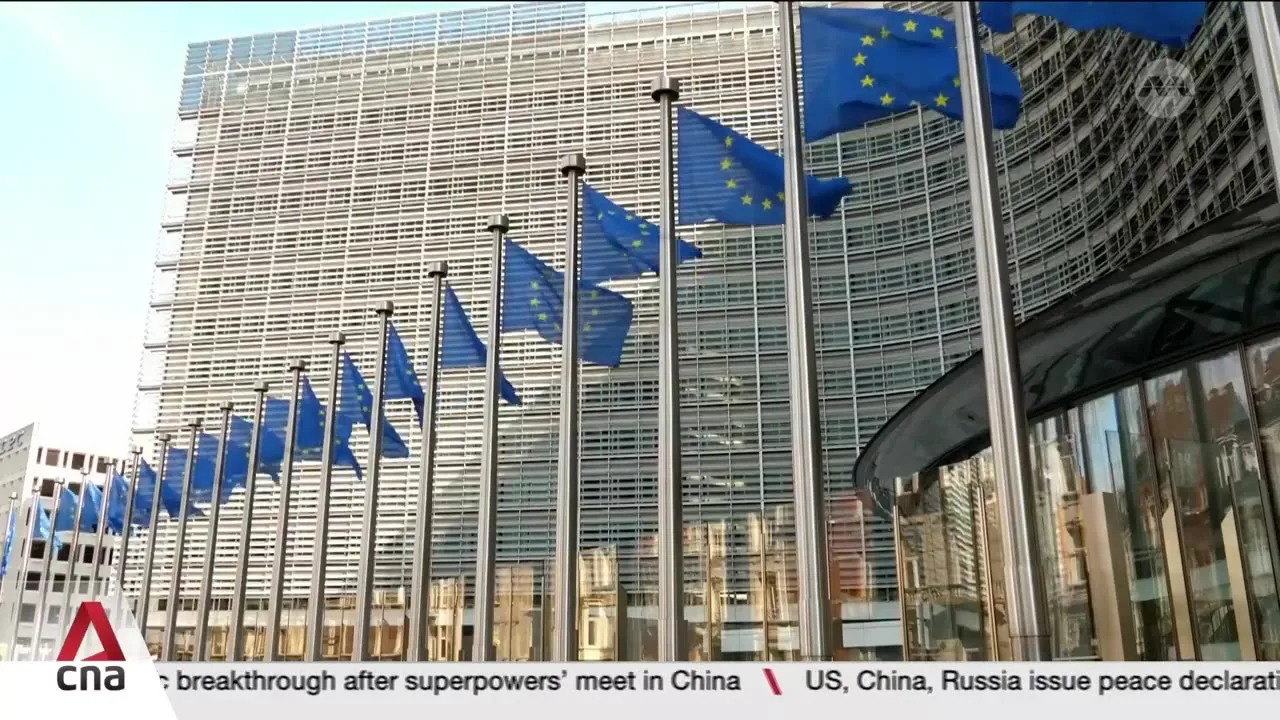
At their Brussels summit, Prime Minister Andy Burnham, European Council President António Costa and European Commission President Ursula von der Leyen adopted a joint statement. Most measures are targeted to begin in 2028, but the agreements are not yet fully in force.
The proposed sanitary and phytosanitary agreement would remove export-health and plant-health certificates and routine sanitary checks for covered movements between the EU, Great Britain and the Crown Dependencies. Application is targeted for March 1, 2028. The UK government estimates the arrangement could add as much as £5.1 billion a year to the economy by projected 2040 levels and raise gross domestic product by up to 0.14%.
The government says the plan would reopen EU access for products including fresh sausages, burgers, seed potatoes and molluscs. It also reports that UK agri-food exports to the EU have declined 32.5% since 2019. The package follows the government’s broader Brexit trade reset, which seeks closer practical cooperation without reopening EU membership.
The sides also finished negotiations to link their emissions-trading systems. Subject to domestic procedures, allowances issued in either market would receive mutual recognition, while covered goods would be excluded from each side’s carbon-border adjustment mechanisms. The UK estimates the link could generate up to £3.8 billion annually and protect about £6.5 billion in exports from carbon-border charges.
A Youth Experience Scheme would permit up to 100,000 young people from each side to spend as long as three years in the other jurisdiction for work, study, au-pairing, volunteering or travel. The governments aim to apply it by 2028, with places available by January 2030. The UK said the capped, temporary program would not reinstate free movement.
The two sides will negotiate a supplementary tuition-fee agreement for students from each side, with talks due to conclude within six months. The UK government said the package would not require taxpayer payments into the EU budget, although proportionate contributions could support shared systems and databases.
Burnham said the broader package could lift Britain’s GDP by 0.5%, up from his earlier 0.4% estimate, Al Jazeera reported. “This is a good day for Britain. This is a good day for Europe,” he said. Von der Leyen said, “We can always work on an incremental improvement of our relationship.”
The summit statement also records cooperation on security and defence, Ukraine and energy, UK participation in Erasmus+ from 2027, and talks aimed at completing access to the EU’s internal electricity market in 2027. Entry into force still depends on the required domestic steps.