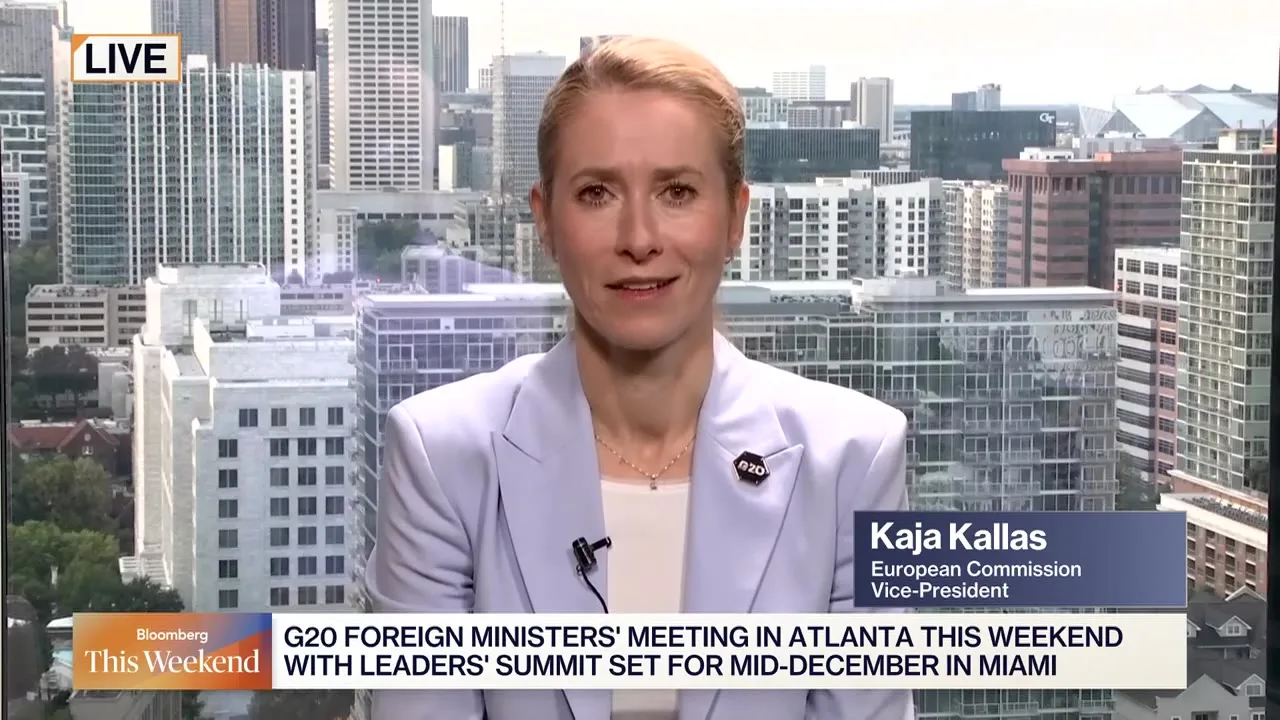
Russia’s return to international gatherings normalizes war crimes committed during its invasion of Ukraine, the European Union’s foreign policy chief said in an interview published on Oct. 31 by Bloomberg Television.
“Our policy hasn’t changed,” the EU’s high representative for foreign affairs and security policy and European Commission vice president said. Russia’s presence also allowed other countries to challenge its claims directly.
Countries discussing geopolitical tensions had expressed concern that wars were raising prices worldwide. She said participants addressed food and energy security and directly called on Russia’s Sergei Lavrov to stop the war in Ukraine.
The host country decides who attends, she said when asked about Lavrov’s presence despite sanctions. European representatives did not want to stand alongside him, but his attendance offered an opportunity to counter what she called lies.
“He was not constructive at all,” she said. Ukraine had agreed to unconditional ceasefires for two years, covering energy attacks or fighting more broadly, and was willing to negotiate.
Lavrov had said Vladimir Putin would talk to Volodymyr Zelensky if the Ukrainian president came to Moscow, she said. Neutral venues were available, and Russia should first stop killing civilians.
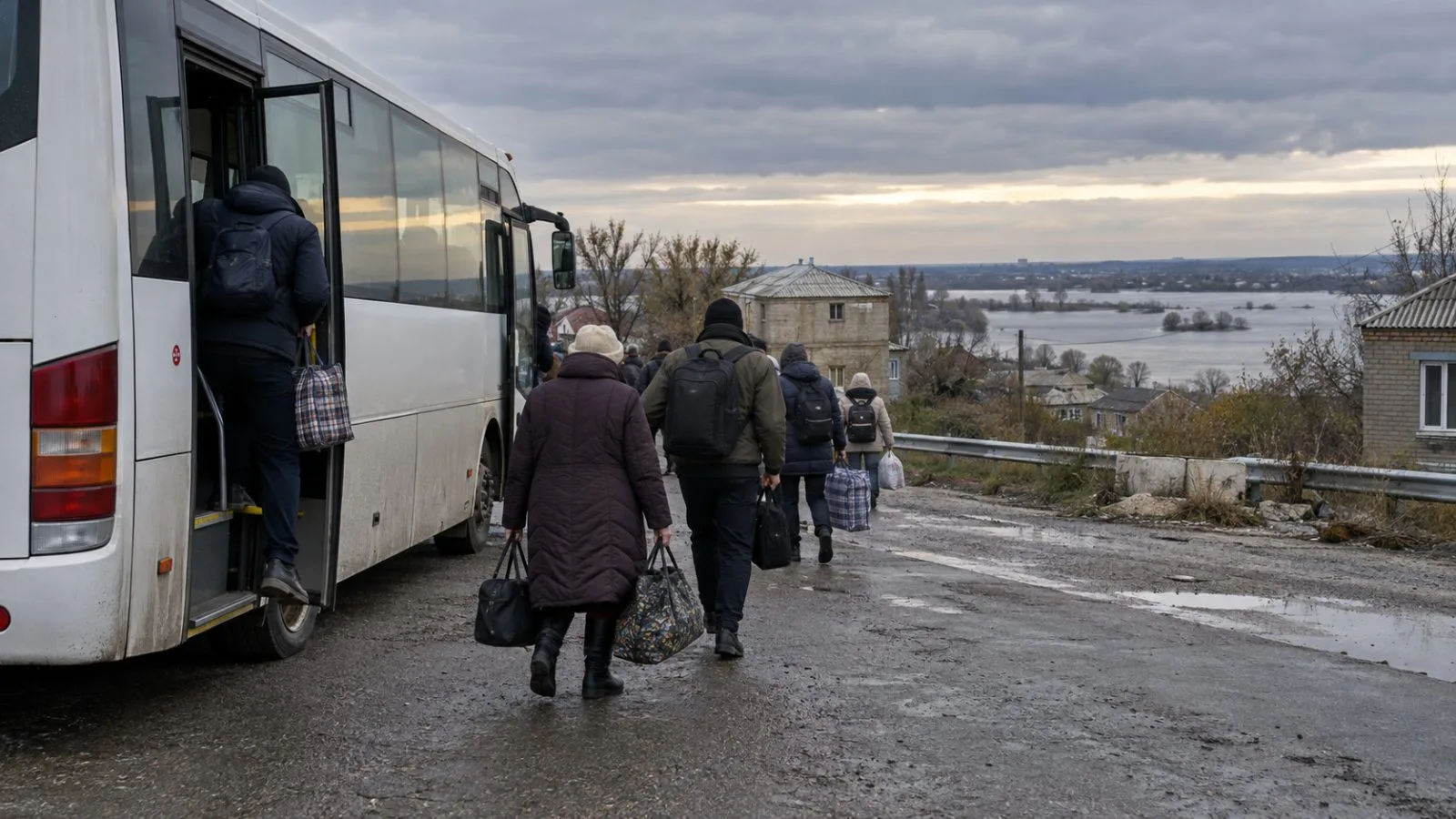
July, August and September had been the deadliest months for civilians during the war, she said. She described Russia as increasing its attacks and showing no serious interest in peace.
Asked about efforts to soften language concerning Russia, she said avoiding discussion would not remove the threat. She called for greater defense spending, more pressure on Moscow and measures to cut its war funding.
Ukraine also needed weapons to defend itself. She welcomed a decision announced the previous day concerning U.S. sales of Patriot air-defense systems to Ukraine, calling them “critical capabilities.”
She criticized a diesel deal with Russia raised in the interview, saying it would not lower prices for Americans. She said it encouraged Moscow to believe it could divide other countries and gain concessions by waiting.
On Ukrainian attacks against Russian energy facilities, she said Russia was increasing strikes on civilians without making battlefield advances. Attacks on Ukraine’s electricity network and power generation threatened a cold, dark winter.
Ukraine was targeting Russian oil refineries to reduce the revenue financing the war, she said. She also called for demands that Russia stop killing people and said an energy ceasefire was important.
On the Middle East, she said most countries agreed further escalation would benefit nobody. They also agreed Iran should not possess a nuclear weapon and indiscriminate attacks should stop.
Middle Eastern partners were seeking a diplomatic solution. Europe had offered experience from earlier nuclear negotiations to help those efforts.
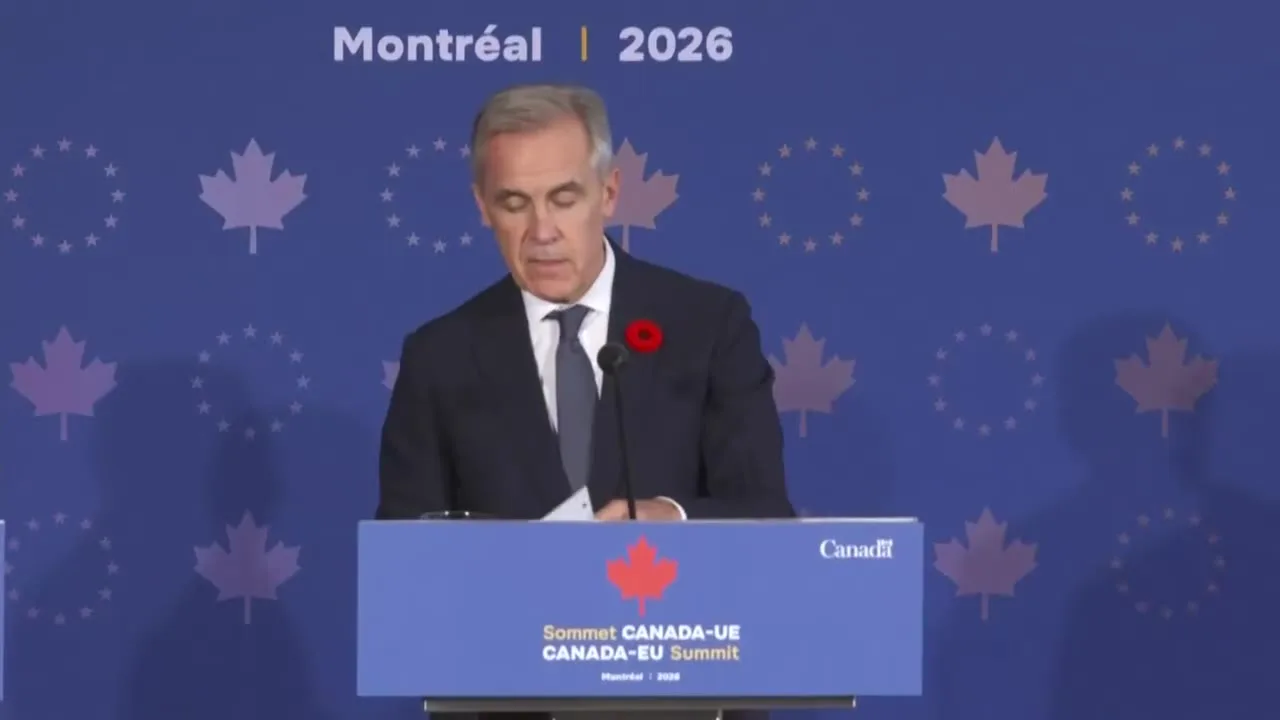
She described closer ties with Canada as covering exchanges between people, security, defense, trade and energy. Canada already had an agreement with the EU and participated in European defense programs.
Putin’s possible attendance at a leaders’ summit in Florida in December remained unresolved. She said the war had killed hundreds of thousands, possibly a million people, without specifying whether that included combatants and civilians.
She said the invasion violated the United Nations Charter and principles accepted by participating countries. “Normalizing Russia coming back to these international fora is just normalizing the war crimes being committed every day now.”