


 Best Gold Stocks to Buy Now: AABB, GOLD, GDX


 Add as a preferred source on Google
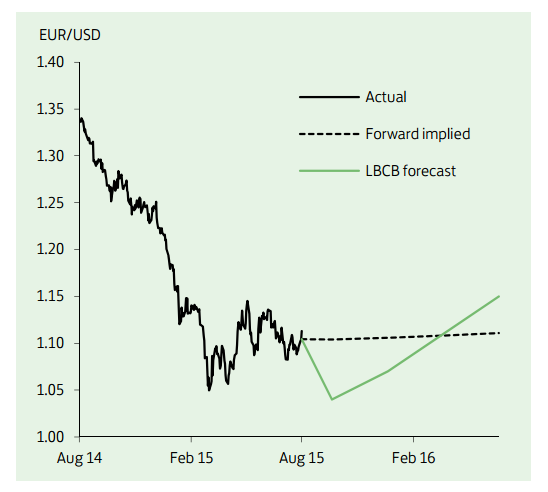
Having been confined to a range of 1.0850-1.11 for much of the month, the EUR broke higher following the surprise devaluation of the Chinese Yuan - rising to a 5-week high above 1.12. The spike higher was largely attributed to position squaring amid heightened global market volatility. More generally, the euro was underpinned over the month by continued progress towards a third Greek bailout.
"We maintain our long-term view that EUR/USD still looks undervalued at these levels," notes Lloyds Bank.
A fading of euro area risk premia, a steady and more sustained upturn in euro area growth and an eventual winding down of QE in 2016 should see the euro post a more sustained improvement in due course. For now, however, it is believed that the single currency remains vulnerable to renewed weakness if, as expected, the Fed raises interest rates next month. Amid rumours that snap elections may be called, Greece's third bailout remains subject to significant implementation risk. EUR/USD is expected to drop to 1.04 by the end of Q3. But in the absence of a renewed conflagration in peripheral markets, a move down towards parity should mark the low.

- News

- Economy

- Central Banks
- Investing
- Research
- Roundups
- Digital Currency
- Insights
- Technical Analysis
- Technology
- Business
- Law
- Health
- Nature
- Fintech
- Science
- Topic
- Opinions
- ©Econometrics LLC . All Rights Reserved.
EUR/USD Outlook
Wednesday, August 12, 2015 8:54 PM UTC
Editor's Picks



- Market Data
Most Popular




