Democratic U.S. Senate nominee Abdul El-Sayed said a question about the Muslim Brotherhood implied divided loyalties, bringing religious hostility into focus in Michigan’s contest for an open Senate seat.
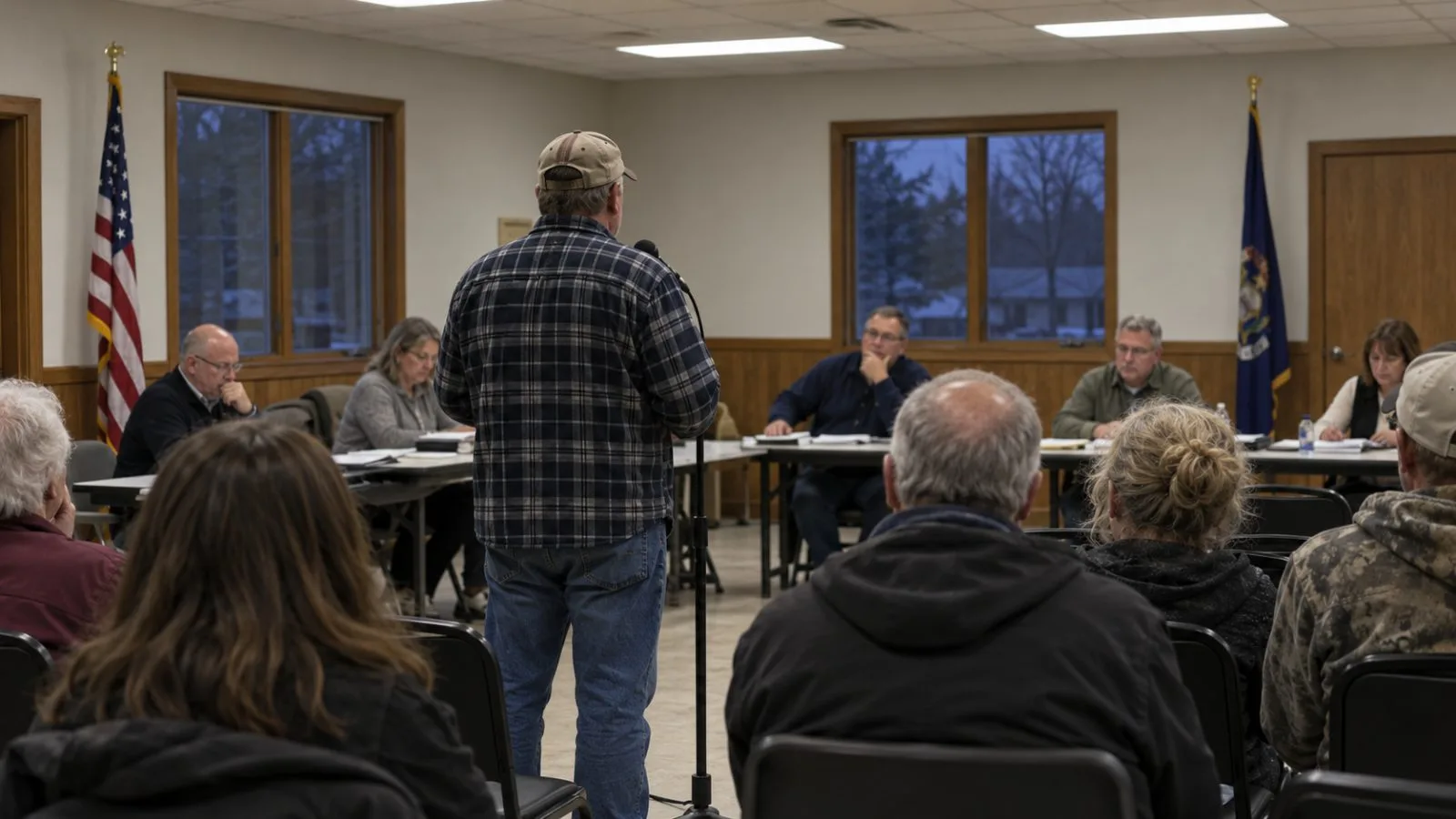
At an Oct. 17 town hall in Caro, El-Sayed agreed to disavow the group, then challenged the premise of the question. He said it suggested his Muslim faith could put another allegiance ahead of the U.S. Constitution. His campaign posted video of the exchange.
After the town hall exchange, Republican nominee Mike Rogers told CNN on Oct. 18 that El-Sayed had not disavowed the group. PolitiFact rated Rogers’ claim false, citing the recorded answer. A Rogers campaign spokesperson said, “Dismissing isn’t disavowing.”
The Associated Press reported that social media posts by El-Sayed’s half-sister, Eman Abdelhadi, claimed their mother had been involved with the Muslim Brotherhood. El-Sayed says he has no ties to the group, and AP reported finding no evidence that he was affiliated with it.
Online hostility rose around El-Sayed’s primary victory. The Center for the Study of Organized Hate counted an average of 3,099 posts a day targeting him with anti-Muslim abuse from Aug. 4–10, a period that included primary day. Its average for June 1–Aug. 3 was 155 a day.
Rutgers researchers examined more than 31 case studies from 2001 through 2026 and described recurring stereotypes portraying Muslim candidates as extremists. Their work also documented costs to candidates’ safety, reputations and mental health.
Israel is another point of contention. In a July 2 CNN interview, El-Sayed responded to repeated questions about Israel’s right to exist by raising Palestinian rights and arguing that U.S. tax dollars should address needs in Michigan. AP reported unease among some Jewish Democrats about his record on Israel and criticism from Arab American leaders of Republican rhetoric about his religion. AP described winning Jewish voters as part of Rogers’ campaign strategy.
The contest, which AP has said may affect control of the Senate, goes to voters Nov. 3.