With the Nov. 3 federal election days away, authorities are investigating suspicious mail sent to election offices as Jacob Ware urges political leaders, news organizations and platforms to curb risks of violence around vote counting.
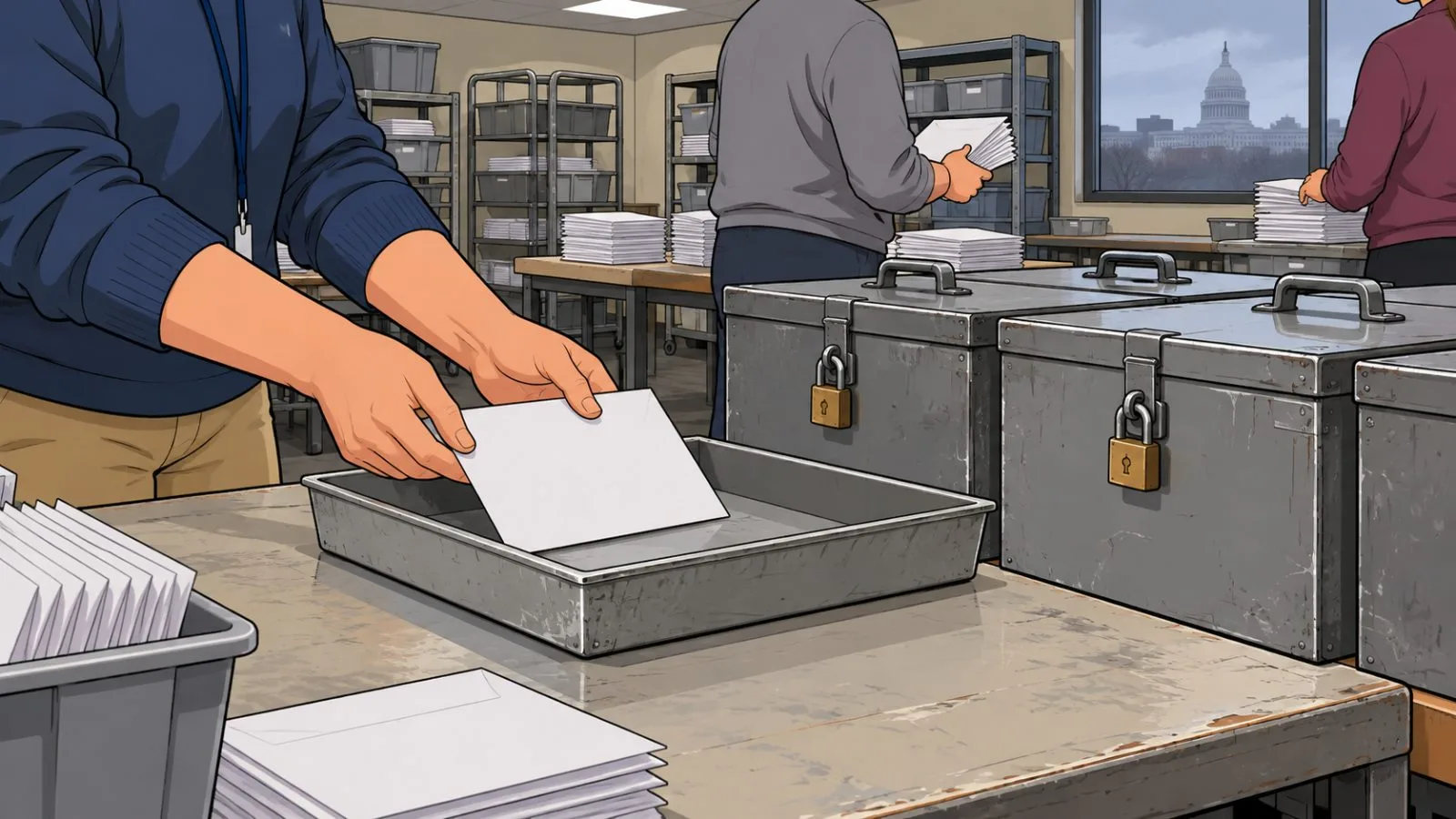
In a survey of election officials across all 50 states and Washington, D.C., WIRED reported Oct. 19 that offices in at least 32 states had confirmed receiving suspicious letters. WIRED said postal workers intercepted most before delivery, while reports on letters opened so far described the powder as harmless. The FBI told WIRED it and the U.S. Postal Inspection Service (USPIS) were investigating mailings to secretaries of state and related election offices. The bureau gave the outlet no tally and did not say whether investigators had leads. Authorities have not publicly identified who was behind the broader set of mailings; the reports do not establish that all letters had the same sender.
The Federal Election Commission (FEC) says state law sets most rules for federal elections, which state and local officials administer. On Oct. 14, the National Association of Secretaries of State and the National Association of State Election Directors said election officials have safeguards and plans to respond to potential threats or emergencies. The Cybersecurity and Infrastructure Security Agency (CISA), FBI, U.S. Election Assistance Commission (EAC) and USPIS have published guidance on handling suspicious election mail and possible exposure to fentanyl, anthrax and ricin.
The U.S. Department of Justice (DOJ) said on Sept. 18 that Anthony James Kazmierczak had been sentenced the previous day to 14 months in prison after pleading guilty to assaulting Rep. Ilhan Omar at a Minneapolis town hall on Jan. 27. DOJ said lab analysis identified the liquid he sprayed as a mixture of water and apple cider vinegar. In a separate case, an indictment charges Cole Tomas Allen with attempting to assassinate President Donald Trump at the White House Correspondents’ Association dinner on April 25, 2026. It alleges Allen fired a shotgun and hit a Secret Service officer once.
Ware, an adjunct professor at Georgetown University and DeSales University and a 2026 McCain Institute National Security & Counterterrorism Fellow, set out his recommendations in an Oct. 29 essay for Just Security. He urges political leaders to avoid violent rhetoric and commit to accepting election results. He asks news organizations to wait for confirmed vote totals before projecting an outcome, and social media platforms to curb calls for violence and false claims of election fraud. Ware argues that political rhetoric, online content and access to firearms contribute to the danger, and identifies election officials and workers, candidates and their staff, and voters as people exposed to the risks.
Ware also proposes congressional action on online safety and gun policy. The Senate Commerce Committee advanced an amended Kids Online Safety Act on Aug. 5, and the Bipartisan Safer Communities Act became law in 2022. Ware presents these as areas for further action; his essay does not quantify their effect on election violence.
Ware points to 2018 as a precedent. In late October that year, Cesar Sayoc mailed 16 improvised explosive devices to 13 victims, including 11 current or former U.S. officials; he later pleaded guilty. On Oct. 27, 2018, Robert Bowers killed 11 worshippers at Pittsburgh’s Tree of Life synagogue. Ware says a close or disputed result could raise the risk of violence. The next federal election is scheduled for Tuesday, Nov. 3.