


 Amazon Eyes $8 Billion Nvidia Chip Spinoff to Fund AI Expansion
  Google Pays Publishers for AI Search Content in New Pilot
  Coinbase, Circle Stocks Slide as Bank Group Sues OCC Over Crypto Charters
  AI Agents Could Disrupt Financial Services, Bernstein Says
  SoftBank Shares Fall After $10 Billion OpenAI Investment
  Italgas to Buy 22.5% Stake in Portugal’s Floene for €120 Million
  AAVE, PUMP, WLD and SKY Rally as Crypto Market Slips
  NEAR Price Rally Cools as $4.60 Support Takes Focus
  Revolut Challenges Europe’s Banking Giants as Global Growth Accelerates
  XRP Ledger Hits 10 Million AI Payments as Bitcoin Retreats
  Apple iPhone 18 Pro Sales Jump 12% in China
  Bank of America Sees EUR/USD at 1.15 by Year-End
  MSTR Stock Rises 3% as Strategy Challenges MSCI Bitcoin Stance
  Samsung Invests $1 Billion in KKR’s Helix AI Infrastructure
  Pi Network Price Holds $0.087 as Protocol 28 Mainnet Upgrade Nears
  Citi Raises Bitcoin Price Target to $113,000 on ETF Optimism


 Add as a preferred source on Google
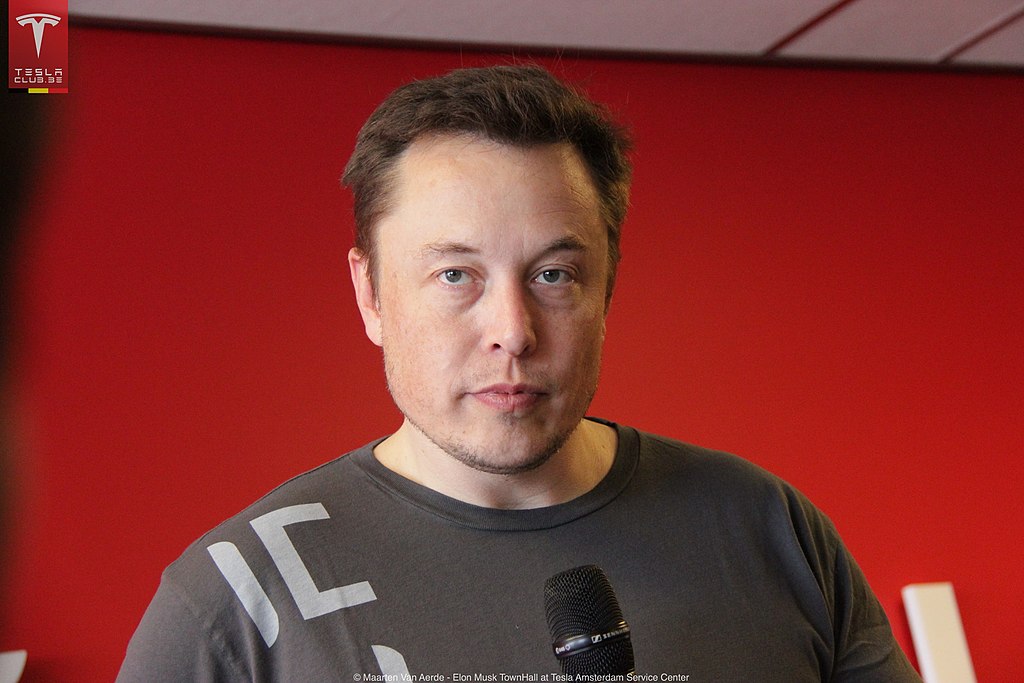
Elon Musk, SpaceX CEO, is exploring the potential for a solar and battery-powered Starlink system, responding to user demand for 24/7 high-speed internet access across diverse environments. This enhancement could offer seamless connectivity, transforming Starlink into an ultra-portable internet solution worldwide.
Users Explore Portable Starlink Setups, Inspiring Musk to Consider Solar and Battery Integration
Recently, Elon Musk, the CEO of SpaceX, thought about providing Starlink with a solar + battery system. According to Teslarati, this configuration would make Starlink the most convenient device for accessing high-speed internet at any time and from any location.
In recent months, users have shared innovative ad hoc configurations that enable them to use the ultra-portable satellite internet system on the go, demonstrating the widespread popularity of Starlink among consumers. One of these is the ability to connect a Starlink Mini to a portable battery supply, which is quite impressive in its own right.
In response to a user on X who observed that Starlink, when equipped with solar panels and a battery, could effectively provide high-speed internet 24/7 in most of the world, SpaceX CEO Elon Musk recently commented on these configurations. Musk contemplated in his reply, "I suppose Starlink could also provide that directly."
Starlink Proves Essential for Disaster Response, Providing Reliable Internet in Crisis and Conflict Zones
Across the globe, the Starlink system is revolutionizing the satellite internet market. Over the years, Starlink has demonstrated its ability to provide high-speed internet in areas impacted by natural disasters and areas of conflict, such as active combat zones.
Florida Chief Financial Officer Jimmy Patronis emphasized Starlink's contributions to rescue efforts in a comment to Teslarati, who elucidated the invaluable nature of Starlink's services in regions impacted by disasters like Hurricane Milton.
“So my office also coordinates all urban search and rescue where our first responders are on the field literally minutes after the storm has made landfall. They depend on Starlink. They will have Starlink out in the field with them. This is how they’re communicating, which homes they have visited, if there’s any need for any other assistance, equipment, help, you name it. If they just need more urban rescue first responders to show up,” Patronis said.







