


 Samsung, SK Hynix Shares Fall as China's CXMT Advances DRAM Technology
  OpenAI Annualized Revenue Hits $50 Billion, Below Earlier Estimates
  Elon Musk Eyes Semiconductor Manufacturing Expansion With $15 Billion Terrafab Project
  US Suspends Microsoft, Adobe From Green Card Program
  Tencent Shares Fall as $5 Billion AI Bond Sale Weighed
  Amazon Cuts More Jobs as AI Investment Expands
  Jameson Lopp Downplays AI Threat to Bitcoin Cryptography
  Moonshot AI Executives Seek Settlement Ahead of Hong Kong IPO
  Zcash Plans Quantum-Resistant Security Upgrade for January
  Robinhood Chain Eyes Priority Gas Auctions for Faster Trades
  Elon Musk Accuses Indian Telecom Giants of Blocking Starlink Launch
  Trump Buys Up to $25M in Meta Stock, Invests in SpaceX Debt
  Apple Supplier Luxshare Faces US Patent Probe, Sees Limited Impact
  Broadcom, Oracle and SpaceX Seek Billions in Private Debt for AI Expansion
  Yandex Data Center Hit by Drone Strike as Russia-Ukraine Cyber Infrastructure Attacks Escalate
  Apple Supplier Luxshare Sees Limited Impact From US Patent Probe


 Add as a preferred source on Google
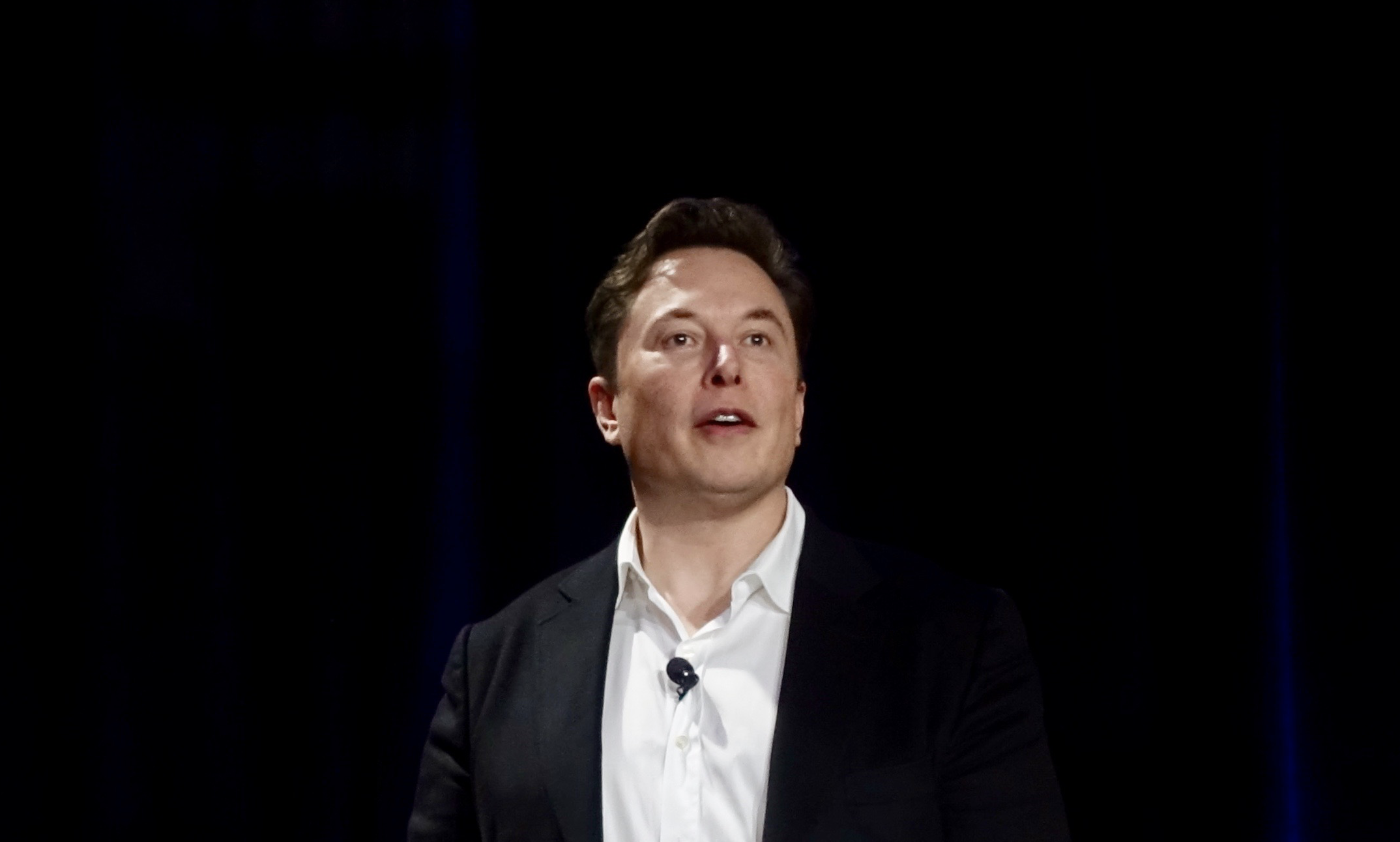
Elon Musk, Tesla's CEO, has extended an offer to license its Full Self-Driving (FSD) technology to other car manufacturers, potentially marking a pivotal shift in the automotive industry's approach to autonomous driving. This move could lead to widespread adoption of Tesla's advanced driver-assistance systems, furthering the company's influence and setting new safety and innovation standards in the sector.
Tesla's Full Self-Driving (Supervised) System: A Potential Industry Revolution in Autonomous Driving
Driver-assist technology is widely available on April 5. The critical media coverage of Tesla Autopilot demonstrates that other prominent driver-assist systems are available from automakers such as Ford, General Motors, and Mercedes-Benz. However, such systems typically have several limitations.
However, Tesla's Full Self-Driving (Supervised) system is the real game-changer. In inner-city streets, Tesla's FSD (Supervised) competes head-on with advanced autonomous driving solutions from industry giants like Waymo and Cruise. If Tesla can enhance FSD (Supervised) to a level where it surpasses the safety standards of an average human driver on both freeways and inner-city streets, it could potentially revolutionize the automotive industry, making it an irresistible proposition for other automakers.
After all, the automotive industry is highly competitive, so features such as FSD (Supervised) could provide a competitive advantage.
Musk Embraces FSD Licensing, Paving the Way for a Unified Autonomous Driving Future
According to Teslarati, Elon Musk, the visionary behind Tesla, responded positively to a proposed FSD licensing model presented by a long-time FSD Beta tester @WholeMarsBlog. According to the tester, FSD licensing could involve Tesla allowing an OEM to integrate the system into any vehicle, either for free or at a cost, with the buyers paying for the license to use the system. The tester also suggested that by enrolling in FSD, drivers would gain access to Tesla's active safety and basic features, along with reduced Supercharger rates. This innovative approach to FSD licensing could potentially reshape the future of autonomous driving.
In a post on X, Musk stated that "Tesla would be happy to do such deals." Musk also expressed optimism that Tesla's earnings from its FSD licensing deals would eventually exceed its business earnings. "Good chance that turns out to be true," Musk wrote in an X post.
Photo: Steve Jurvetson from Menlo Park, USA, CC BY 2.0, via Wikimedia Commons








.jpg)