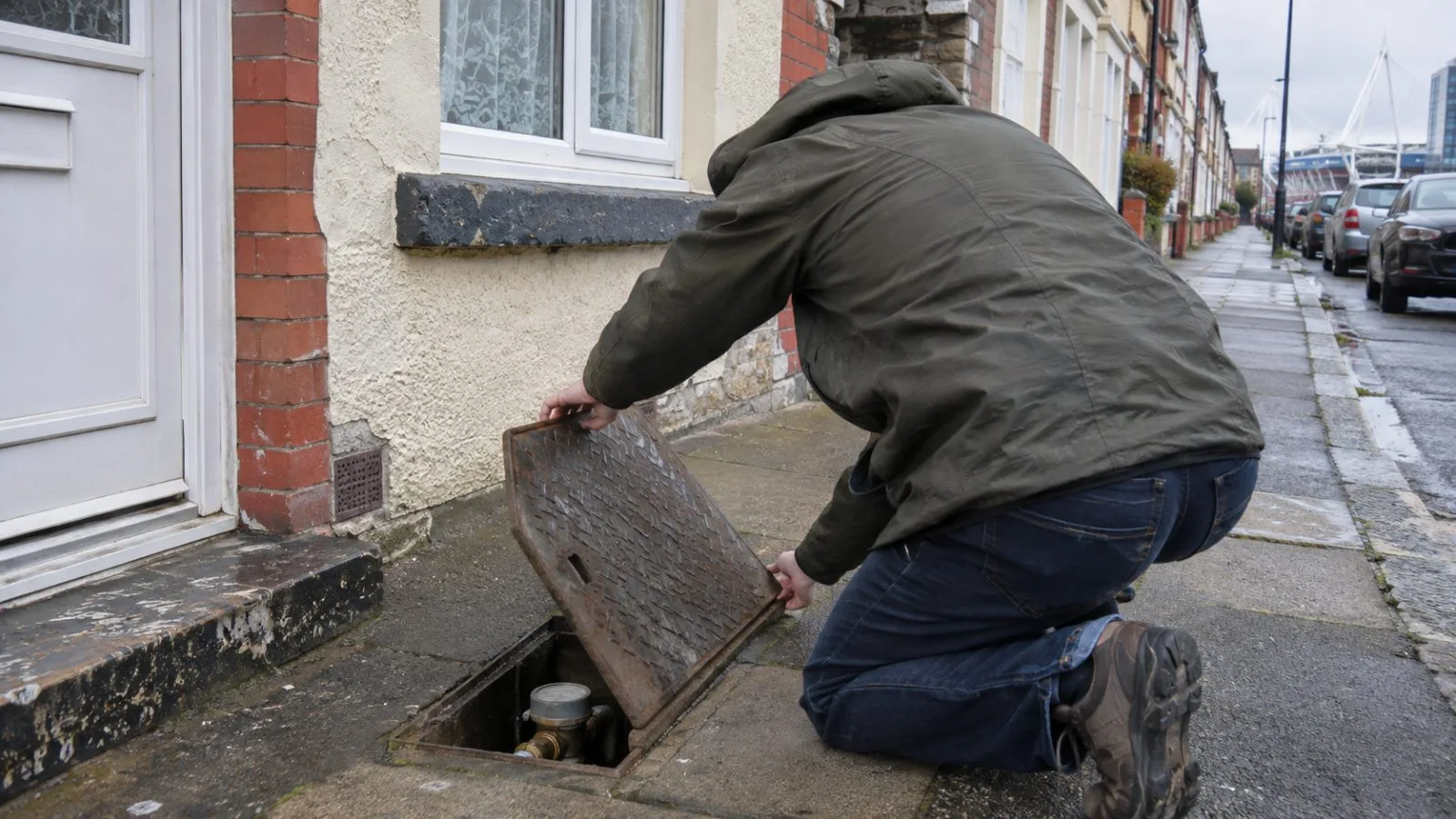
The Independent reported a wider water-bill discount program in England and Wales as average water and sewerage charges rose about 34% from April 2025, citing Consumer Council for Water (CCW) figures.
Almost 380,000 additional households received social-tariff help over the past year, a 19% increase in the number of customers covered. For recipients, the average annual bill reduction reached £258, compared with £190 in the previous 12-month period.
The expansion came as bills increased, while the level of help remained dependent on where customers live. CCW, the watchdog cited in the report, said providers’ schemes differ in eligibility and the relief they offer. Average annual bill reductions under social tariffs at the main water and sewerage companies ranged from £159 to £474.
CCW has called for one tariff across England and Wales, saying a shared approach would give households facing cost-of-living pressures more certainty. CCW Chief Executive Mike Keil said the commitment by water companies in England to end water poverty by 2030 “now looks like it has evaporated.”
A household is commonly described as living in water poverty when its water bills take more than 5% of income after housing costs. CCW’s summer study estimated that about 1.8 million households across England and Wales met that definition before recent record bill increases took effect.
The Independent reported that WaterSure, a bill-capping scheme for eligible metered customers, provided an average reduction of £428 to more than 273,400 customers receiving income-related benefits. Eligibility also depends on having a large family or a household member whose medical condition requires high water use. The report said some companies also provide help through debt write-offs and hardship funds.
Separately, the Environment, Food and Rural Affairs Committee recommended a common minimum social tariff for low-income households as part of wider steps to meet the 2030 goal of ending water poverty.