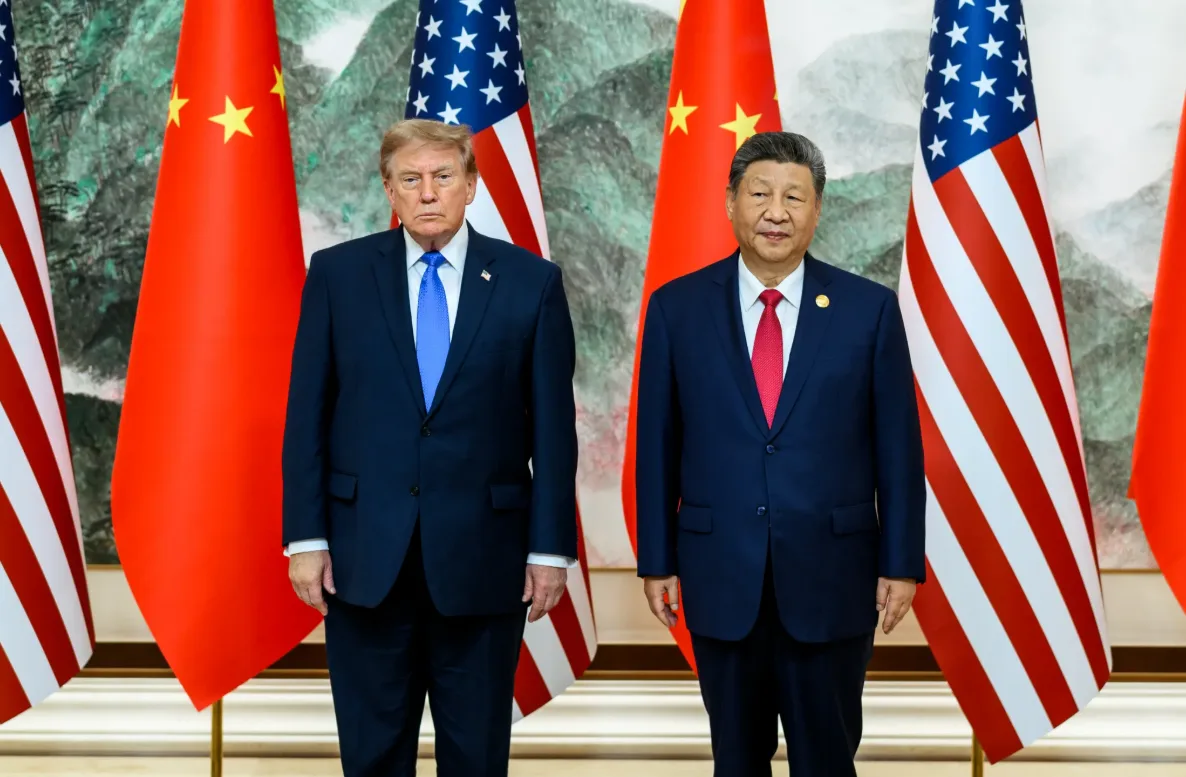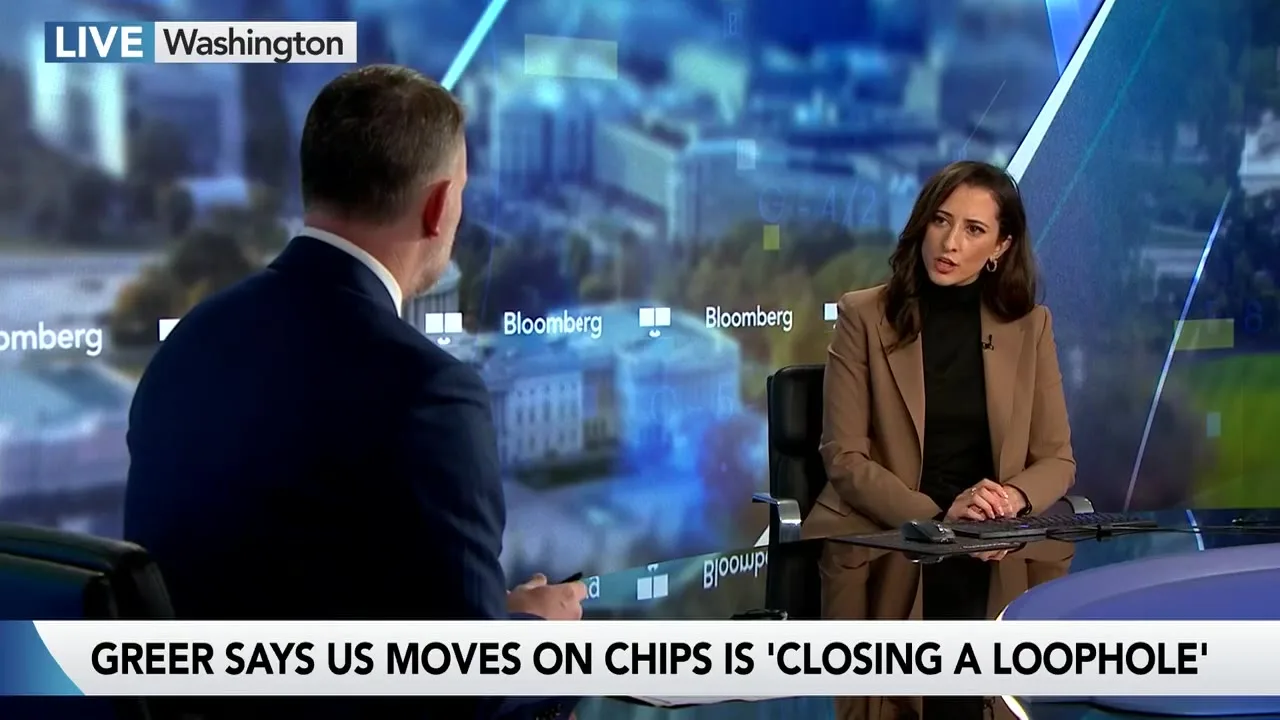
U.S. Trade Representative Jamieson Greer said China must increase the pace and volume of rare-earth shipments before Washington considers extending a bilateral agreement beyond Jan. 10, Bloomberg Television reported Nov. 20.
Greer said no extension had been agreed after President Donald Trump and Chinese President Xi Jinping met. He said the United States was complying with the agreement and expected China to do the same.
“A lot of it is contingent on do we get the rare earths in the volume and pace that we need to have it,” Greer said. He predicted both sides would create conditions for an extension and that shipments would increase.
Greer said the two countries had previously agreed to two six-month extensions. After a September meeting, they chose a two-month extension through Jan. 10 because of compliance concerns. A longer period would be possible if Washington saw progress, he said.
He said Xi had acknowledged the need to respond to U.S. requests on rare-earth licenses. The two governments were trying to maintain stability in specific areas, including rare earths and tariff levels.
On semiconductor controls, Greer said recent U.S. measures closed loopholes rather than creating a new policy. Chips that Chinese buyers had previously been allowed to purchase remained available through a licensing process, and the measures did not impose an outright ban.
He said the controls applied to about 20 to 25 countries, including Singapore and Malaysia, and were not directed only at China. Any Chinese retaliation would therefore be disproportionate, he said, although some action would not be unusual.
Greer said disagreements over the controls had been handled through an interagency process that could escalate to the president. He said Treasury Secretary Scott Bessent, Commerce Secretary Howard Lutnick and the U.S. Trade Representative were now aligned, with the rules already taking effect.
China raised Taiwan during the meeting, as it usually does, Greer said, but did not link the issue to rare earths. He said the United States’ longstanding one-China policy had not changed.
Trump also asked China to buy more U.S. agricultural products, including soybeans. Greer said China had an annual obligation to buy 25 million metric tons and was meeting its current soybean commitments, but Trump wanted it to increase purchases.
Greer said China was seeking full implementation of a “30 for 30” tariff arrangement. The United States had completed about half of its reductions, while China had not fully reduced its tariffs. He expected implementation by year-end.
Greer said a separate Section 301 trade review would be released before the end of the year.