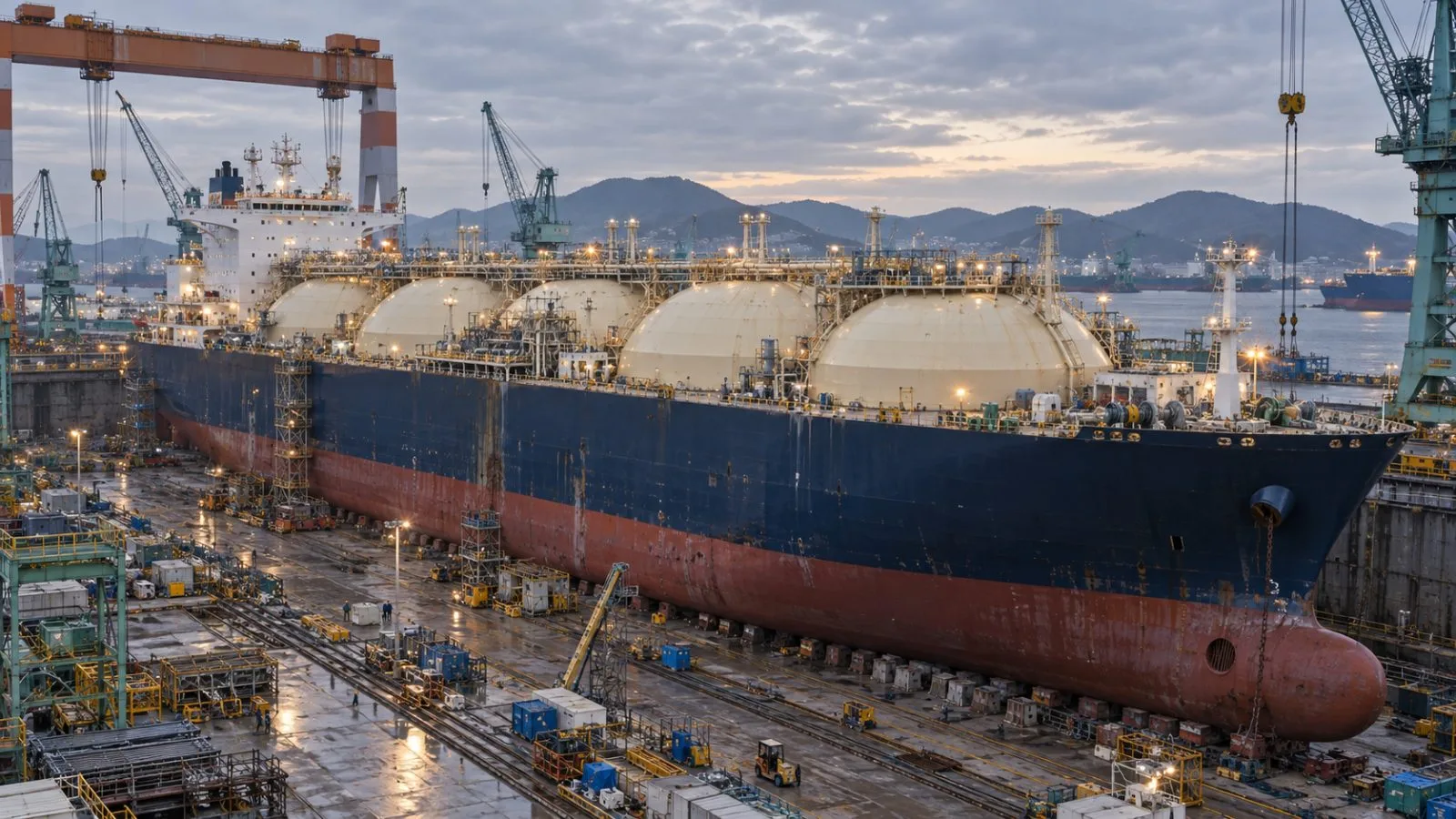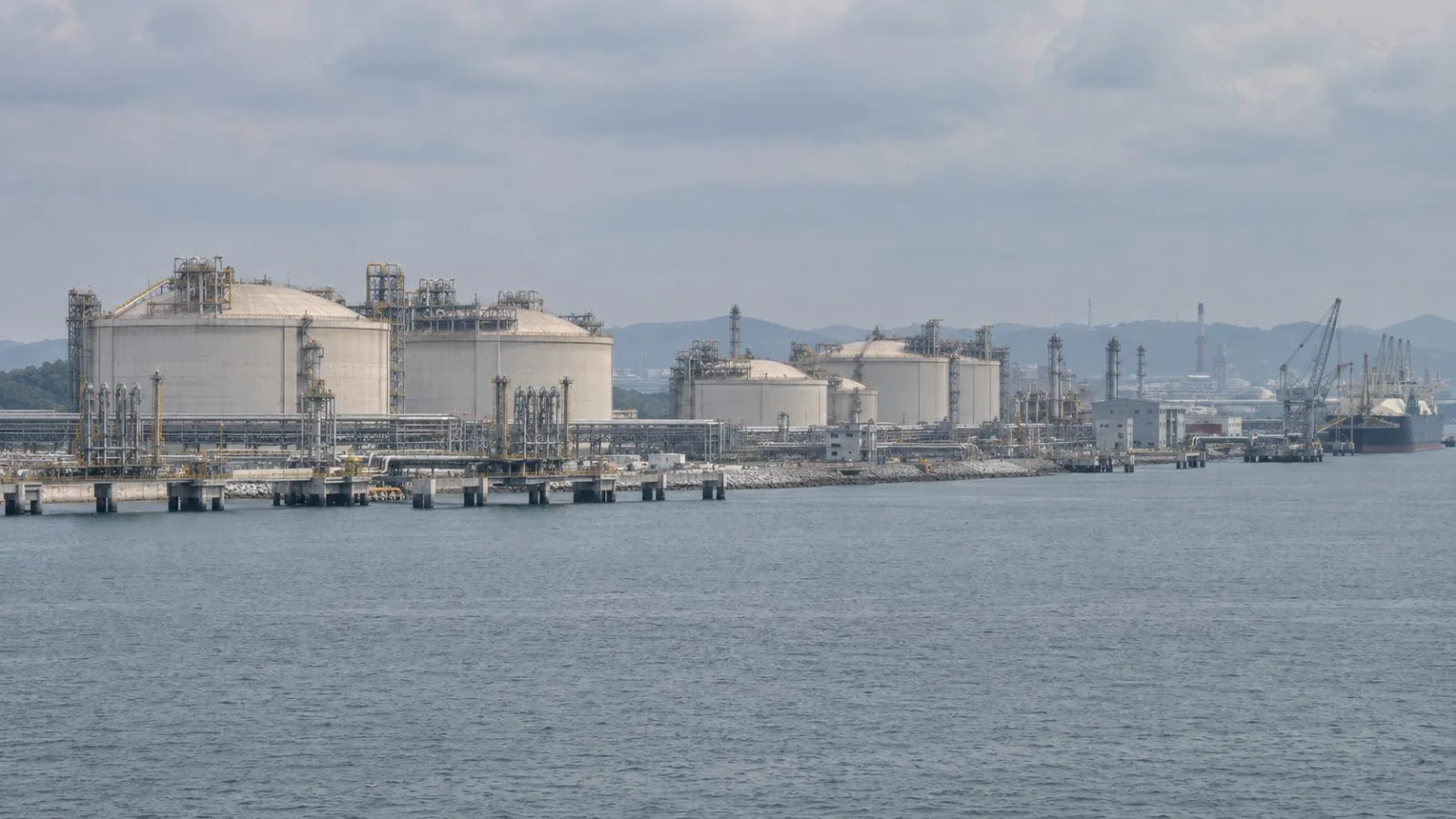
The European Union and Canada may study long-term liquefied natural gas (LNG) exports to Europe, Euronews reported, as tight supplies and costly storage refills raise pressure ahead of winter.
Euronews said a draft summit statement proposes that the two sides assess LNG exports alongside electricity grids, battery storage and protection of energy infrastructure. The outlet said the draft leaves commercial and delivery arrangements unresolved. A study would not establish a purchase agreement.
Austria’s parliamentary registry lists several versions of the draft statement, including a revision dated Oct. 27 that the registry says it received Oct. 28. The documents are marked “LIMITE,” and their text is not available in the registry. The proposal’s details remain based on Euronews’ account of the draft.
The Agency for the Cooperation of Energy Regulators (ACER) said EU gas storage was 75% full on Oct. 21, a level it described as below the nine-year average. Stocks stood at 28% of capacity at the end of winter 2025-26, compared with 34% a year earlier. ACER put EU hub spot prices near €90 per megawatt-hour in mid-October.
ACER estimated that Middle East conflict added €18 billion to €33 billion to Europe’s gas import bill for the same quantity of gas. The agency said the costs affect households and industrial consumers and put pressure on electricity prices. It estimated that refilling storage in 2026 could cost as much as €27 billion, compared with about €100 billion during the 2022 energy crisis.
During summer 2026, U.S. LNG supplied about 30% of EU gas, while total Russian gas supplied about 11%. No significant volumes of Qatari LNG reached the bloc. ACER said Europe and Asia would continue competing for flexible spot cargoes.
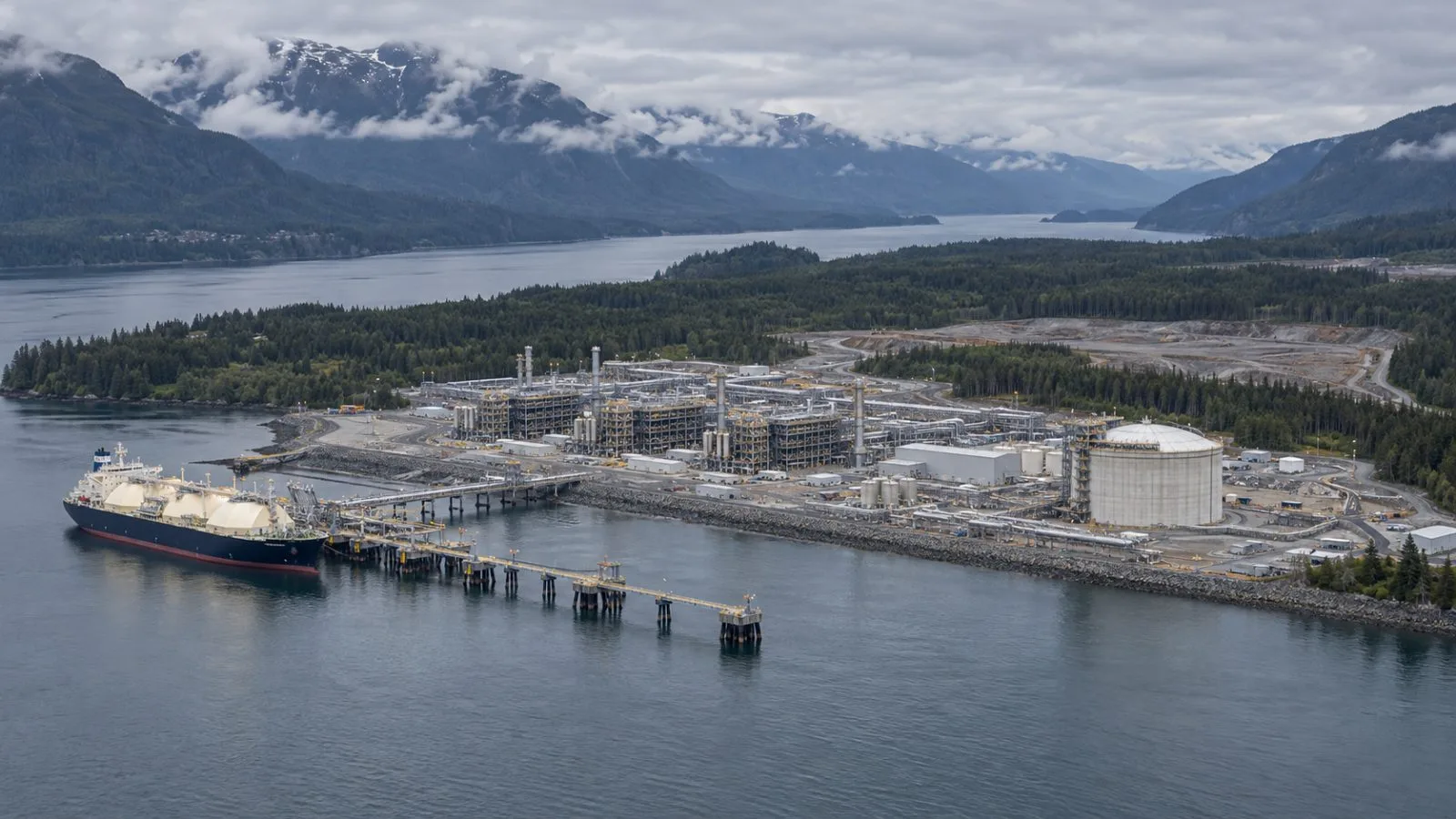
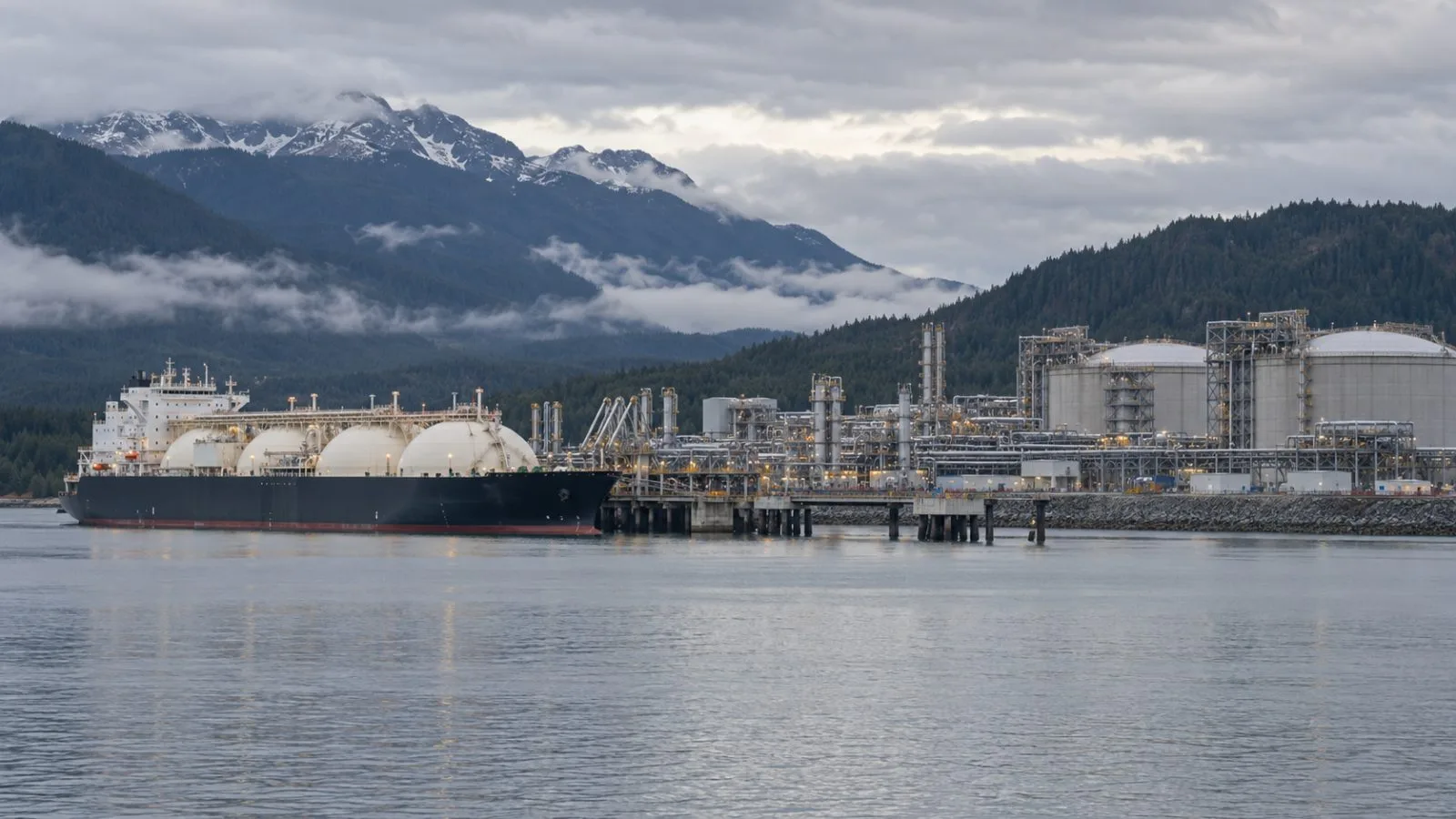
LNG Canada said Phase 2 at its Kitimat terminal received a final investment decision on Sept. 29 and is planned to double annual capacity from 14 million to 28 million tonnes. The company says the expansion is intended to serve global markets; its announcement does not reserve output for Europe.
Esther Bollendorff, fossil-free programme manager at Climate Action Network (CAN) Europe, told Euronews the study could distract from renewables-based electrification and energy efficiency. She called it a “dangerous distraction” and warned of fossil-fuel infrastructure lock-in and higher bills.
The EU-Canada summit is scheduled in Montreal for Oct. 29-30. The European Council’s calendar lists a joint statement as the expected outcome when leaders finish the meeting.