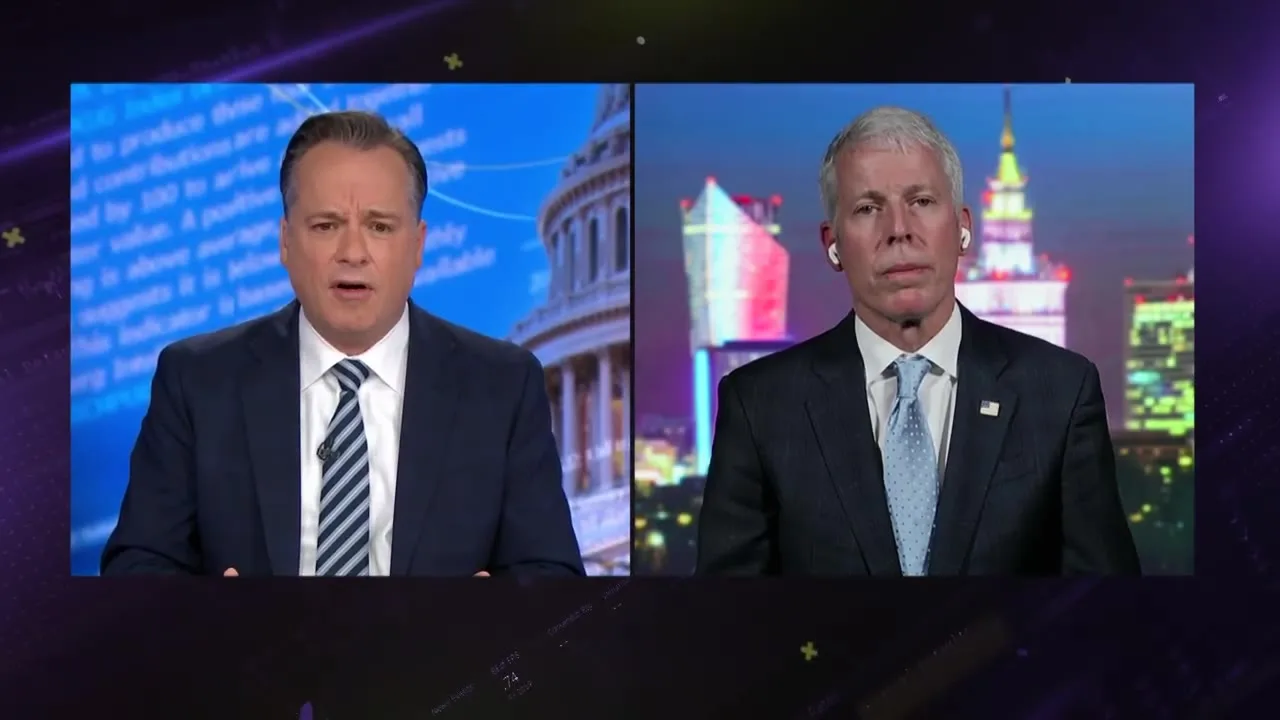
Europe has no intention of returning to purchases of Russian oil, coal and natural gas after its earlier dependence on those supplies, U.S. Energy Secretary Wright said in a Bloomberg Television interview published Nov. 19.
Wright drew a distinction between those purchases and trade in refined fuels such as diesel, which he said could be shipped around the world without the same reliance on infrastructure.
U.S. refineries were operating at capacity, while Chinese plants had room to refine more fuel for export, Wright said. He said China had reduced exports after concentrating on its domestic market, contributing to higher gasoline and diesel prices.
Russia became a net importer of diesel after Ukrainian attacks on its refineries, Wright said. He said President Donald Trump had offered Russia a route back to diesel exports if it reduced its war effort, agreed to an energy ceasefire or ended the war.
Russia had exported some diesel after cooperating with Trump, Wright said, adding that the additional cargoes helped lower prices wherever they were delivered. He said gasoline and diesel prices had fallen since peaking in late September.
Wright called Russia and China competitors and said they were adversaries in many areas. He said the administration wanted more energy to flow around the world and more U.S. production and exports, including supplies for allies.
The United States was working with shipping companies on a way for credible buyers to purchase sanctioned vessels under new ownership and use them to carry legal crude, Wright said. He said some vessels previously used to transport sanctioned oil were idle while the shipping market was tight.
Asked about a nuclear agreement involving Westinghouse and European entities in Poland, Wright said nuclear plants were heavily protected and that drones and most Russian weapons could not affect a plant. He also said Russia had not directly attacked a nuclear plant in Ukraine.
Wright said he expected a U.S. bill intended to speed approvals for infrastructure projects to pass the Senate that day and then go to the House of Representatives. He said he did not expect trouble in the House.
On wind power, Wright said offshore projects raised concerns about interference with radar and that those issues were being investigated. He said new offshore wind development was unlikely without subsidies, though he expected new onshore wind and solar projects.
Wright said energy shipments through the Strait of Hormuz had reached a record the previous day, including oil, refined products, fertilizer and liquefied natural gas. He said no Iranian oil was moving through the strait.
He said the United States was putting economic pressure on Iran, but did not say whether Washington would resume military action or seek an agreement.