Senior European diplomats are expected to reassure U.S. officials on Thursday that NATO allies are increasing defence commitments as uncertainty grows over Washington’s review of American troop deployments across Europe.
The United States launched a six-month review in June as President Donald Trump’s administration pushes European countries to take greater responsibility for regional security. The process comes amid persistent concerns over Russia and questions about Washington’s long-term commitment to NATO.
U.S. Under Secretary of Defense for Policy Elbridge Colby, who is leading much of the review, is scheduled to brief NATO ambassadors in Brussels. The United States currently maintains roughly 80,000 troops in Europe but has already announced some withdrawals and reduced forces allocated to NATO defence plans.
European governments are closely watching whether additional U.S. troop reductions will follow. Officials said documents circulated by Washington have added uncertainty about the review’s objectives.
One document outlined goals including improved U.S. access, basing and overflight rights while encouraging European allies to assume the leading role in defending the continent. NATO members also received a questionnaire covering defence spending, military procurement, strategy and support for U.S. foreign policy.
Estonian Defence Minister Hanno Pevkur said Estonia agrees that Europe must strengthen its own defence capabilities and is preparing its response.
Colby said Wednesday that the review is intended to support NATO’s evolution toward greater “clarity, rigor, and readiness.”
However, some European diplomats are concerned that linking U.S. basing arrangements with broader political positions could make the transatlantic relationship increasingly transactional. Officials also worry countries could begin competing to offer Washington better conditions for hosting American forces.
Diplomats plan to use Thursday’s meeting to emphasize their defence contributions and demonstrate that Washington can continue relying on European allies.
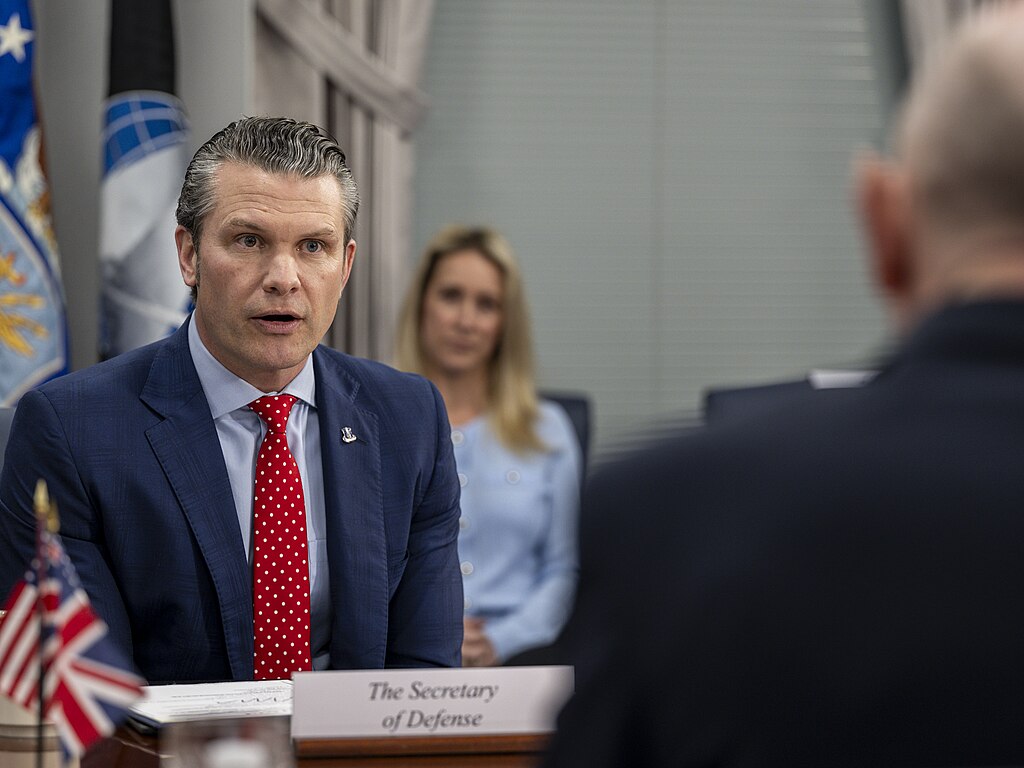
Despite the uncertainty, some Eastern European officials have reported encouraging signals from the United States. Still, NATO policymakers acknowledge that final decisions could ultimately rest with Trump or Defense Secretary Pete Hegseth, leaving the future U.S. military presence in Europe uncertain.