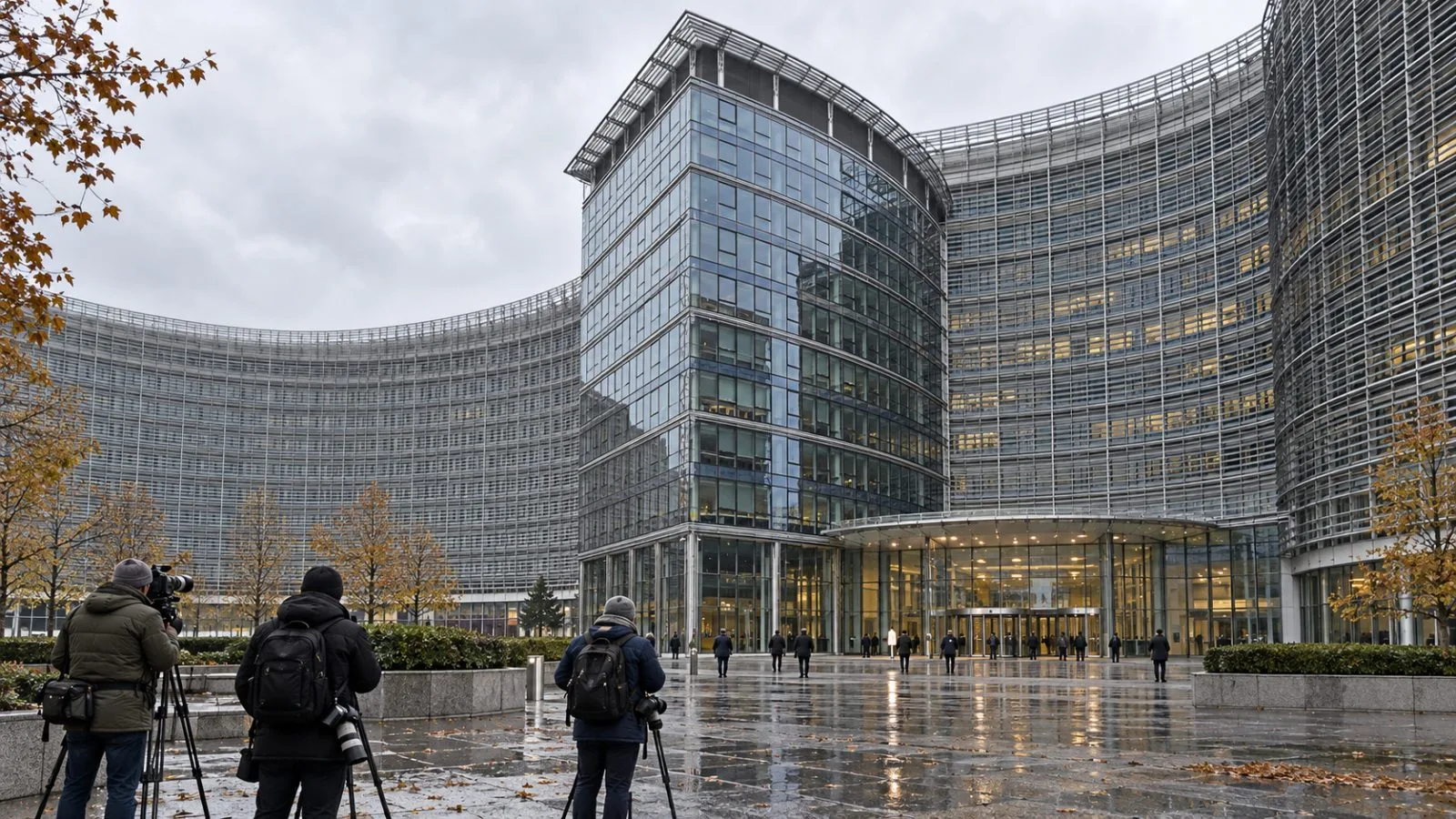
The European Commission outlined plans to prepare the EU for future climate risks, including clearer responsibilities for managing them, the European Parliament said in its own news recap published Oct. 30.
The proposals combine preparations for extreme heat with an insurance alliance and digital tools. The announcement left open when the measures would take effect and how much funding they would receive.
The climate measures formed part of a broader set of initiatives covering border operations, social media rules for minors and cooperation with Canada. The account came from the European Parliament’s institutional channel, rather than independent reporting.
The commission wants to clarify who is responsible for managing climate risks. Its plans also include a climate insurance alliance and a European heatwave plan, but no details accompanied either initiative on how it would operate.
The commission has also developed digital tools, including a climate viewer. The announcement did not explain what information the viewer provides or how the public would use it to prepare for climate risks.
On borders, the commission proposed changing the mandate of Frontex, the agency responsible for protecting the EU’s external borders. The proposal aims to let the agency act before an event becomes a crisis.
Frontex would receive explicit authority to monitor social media under the proposed mandate. The announcement left open the scope of that monitoring and the conditions under which the agency would carry it out.
The commission also proposed making Frontex the EU’s central actor in returning migrants. It gave no timetable for adopting the mandate or details of how that role would work alongside national authorities.
Separately, the commission wants the same social media rules for minors across all EU member states. It linked that approach to avoiding different national requirements within the bloc’s internal market.
The commission decided to postpone for 12 months any draft national laws that overlap with future common rules. The announcement did not identify the affected drafts or specify when the common rules would take effect.
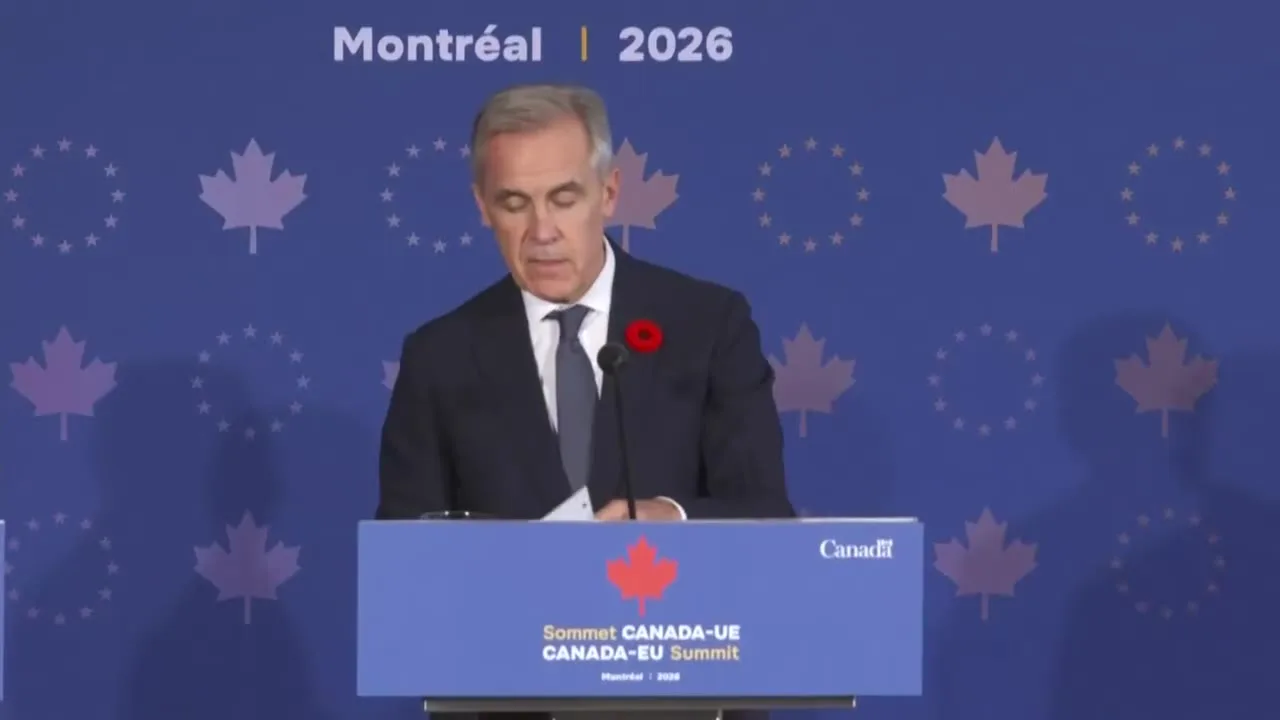
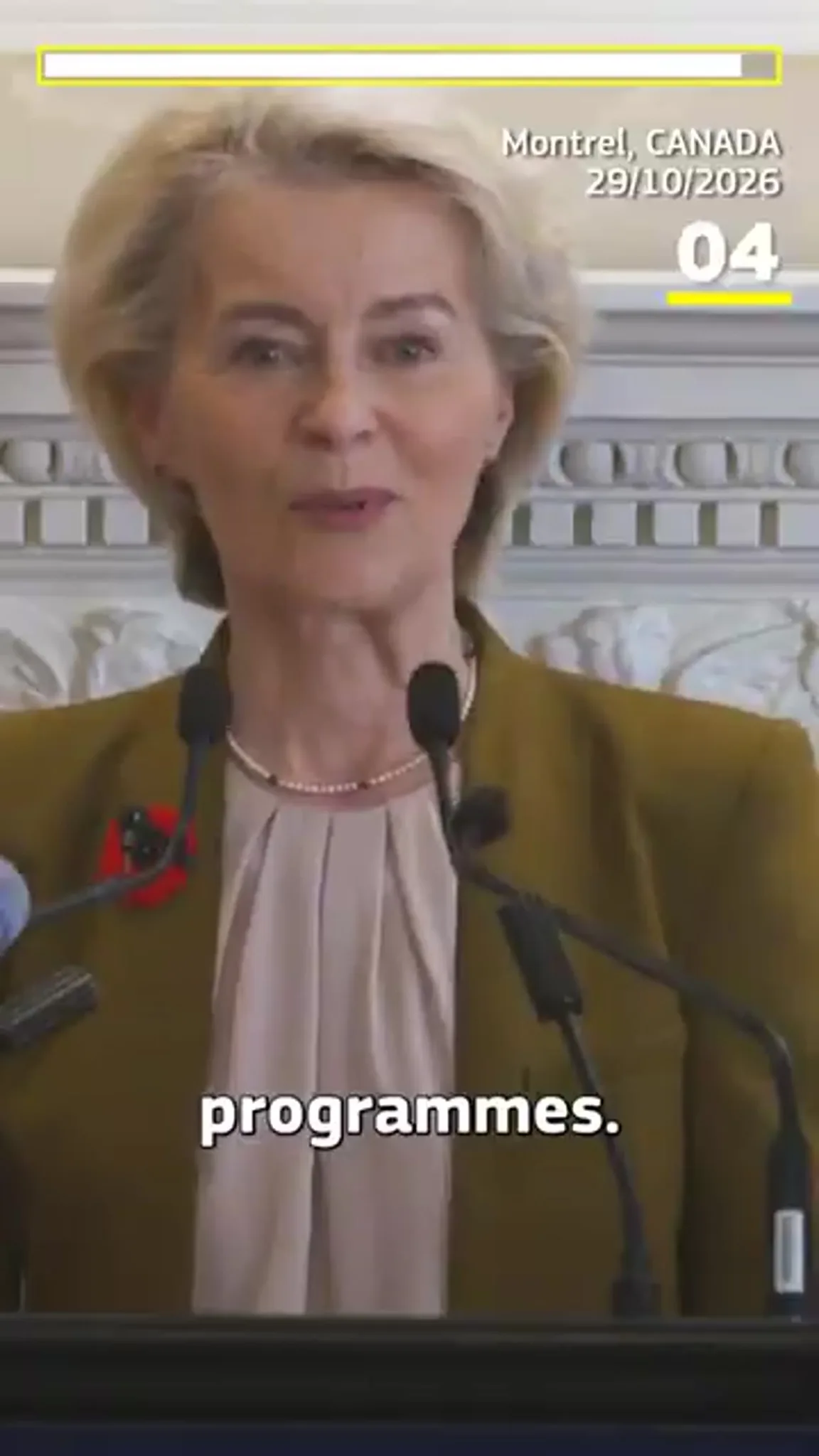
EU and Canadian leaders also agreed to increase cooperation through a new type of partnership. Their agreement calls for closer alignment on policies, governance and each other’s programmes.
The partnership announcement left open which programmes would be involved, what commitments each side would make and when the closer cooperation would begin. It included no funding figure or implementation timetable.