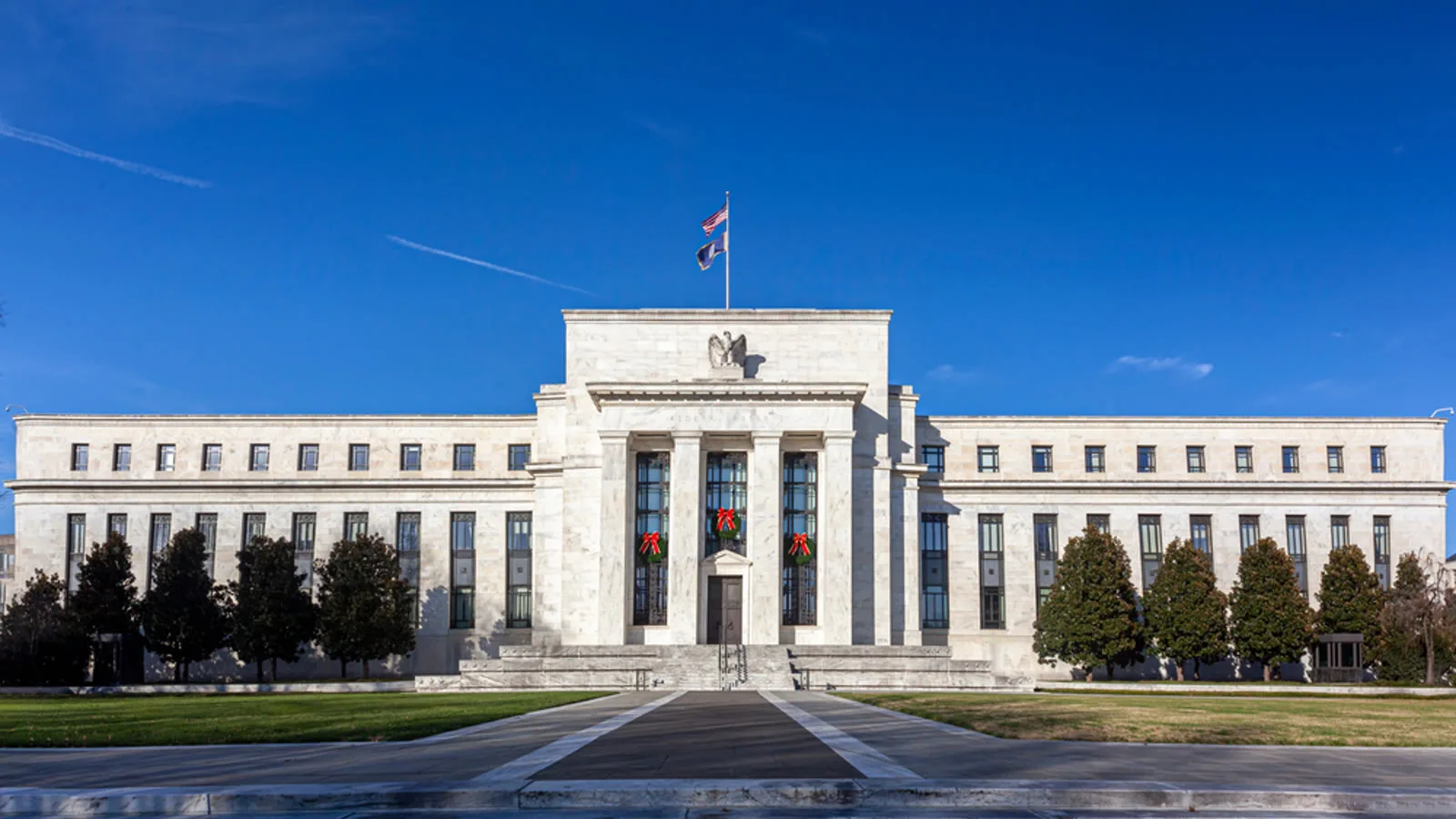
France kept the dollar share of its foreign exchange reserves at 60% while bringing its gold home in 2025 and early 2026, a Federal Reserve Board study found.
The finding challenges the idea that moving gold out of the United States necessarily signals a retreat from dollar assets. The Board published Colin Weiss's “Gold Reserve Relocations: Are They Always Bad News for U.S. Dollar Reserves?” in its FEDS Notes series on Nov. 9.
Weiss, a Federal Reserve Board staff author, examined gold transfers by France, Germany and the Netherlands since 2013 alongside changes in their foreign exchange reserves, foreign currency assets held by central banks. He found that dollar assets still accounted for most of those reserves in all three countries.
France brought home all its gold held in the United States in 2025 and early 2026, the study said, citing the Banque de France. Its dollar allocation held steady even while the dollar's share of global foreign exchange reserves declined, the author found.
Germany moved about a fifth of its U.S.-held gold into domestic vaults between 2013 and 2017 (Bundesbank). The dollar share stayed around 90% during that period and exceeded 80% in March 2026, its latest German observation.
The Netherlands brought home about two-fifths of its U.S.-held gold in 2014, with little change in its 83% dollar allocation, the study found. That share fell to nearly 50% in 2018, but the decline proved temporary, the author said.
The Dutch central bank moved two-fifths of its U.S.-stored gold to London in 2026 (De Nederlandsche Bank). The dollar share fell 10 percentage points at the same time, but remained above its 2018 lows and still represented most Dutch foreign exchange reserves.
The author qualified that comparison because the monthly and annual Dutch figures come from different sources. Monthly figures from the International Monetary Fund consistently show a lower dollar share than the Dutch central bank's annual reports, especially after 2022, he said.
The study used currency allocations compiled by researchers Hiro Ito and Robert McCauley through 2020, then central bank annual reports and an IMF database after 2021. Weiss also said France's dollar decline in 2023 appeared to reflect asset sales to generate income rather than a major change in currency preferences.
Weiss said gold storage can reflect sanctions concerns and access to trading markets, but the European central banks' official explanations did not identify sanctions or seizure fears as a principal reason. He concluded that the economic benefits of dollar assets appeared to outweigh potential costs for these banks. The findings represent his views, rather than those of the Board or the Federal Reserve System.