


 Trump Signs Order to Cut Routine Childhood Vaccines
  US Sailor’s Father Detained by Immigration Authorities
  Ingenia Rejects A$1.9 Billion Warburg Pincus Takeover Bid
  Trump Imposes New Tariffs on Drone Imports Over US Security Concerns
 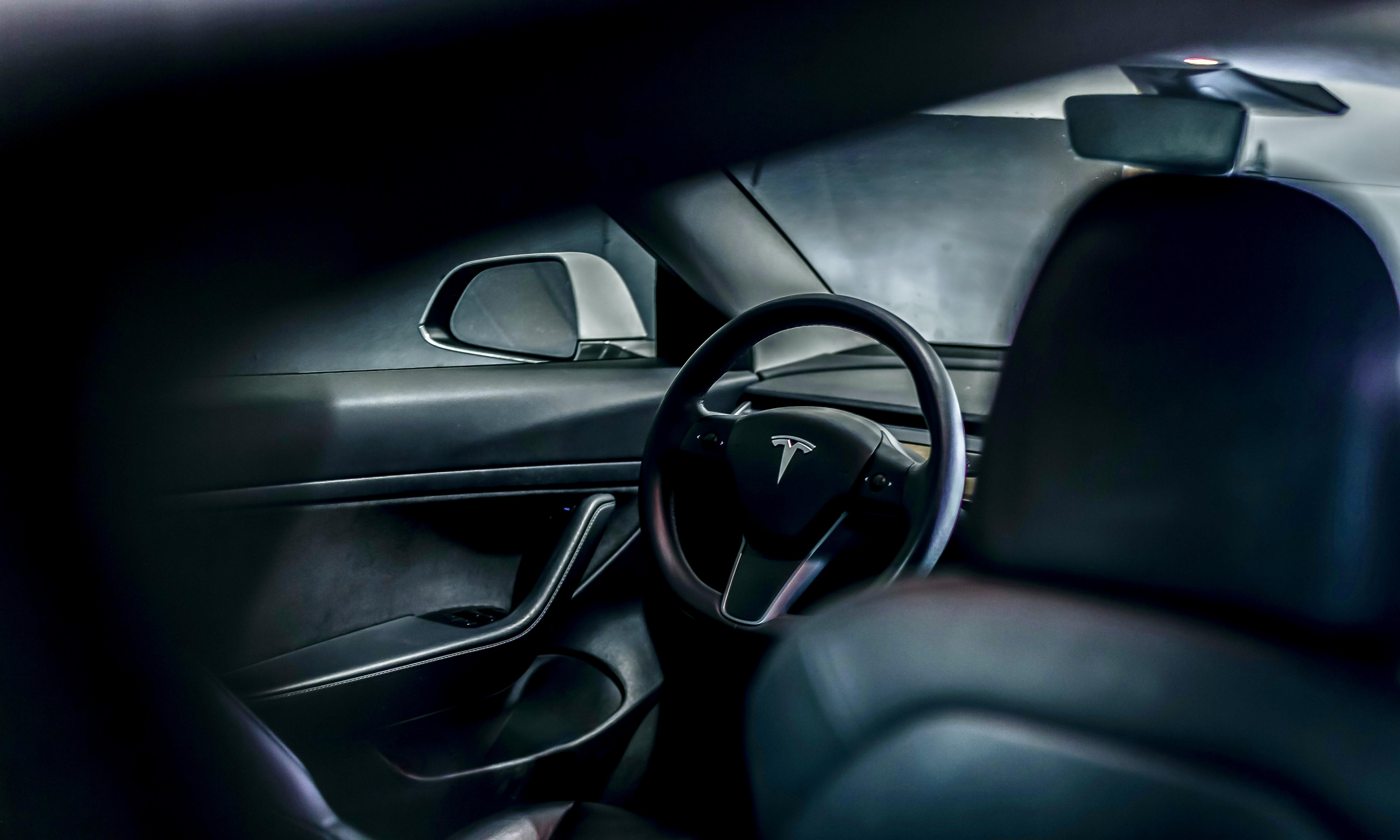 Tesla Cybercab Launch Puts Robotaxi Ambitions in Focus
  OpenAI Launches GPT-6 Astra With Advanced AI Agent Capabilities
  GLP-1 Weight-Loss Drug Use Surges Among U.S. Children
  Microsoft to Reveal Azure Revenue in Major Reporting Shake-Up
  Milei Threatens Falkland Oil Firms With Sanctions
  Trump Orders U.S. Navy to Return to Steam Catapults for Aircraft Carriers
  FAA to Pause Reagan National Airport Flights for Freedom 250 IndyCar Race
  New Zealand Moves to Ban Social Media for Children Under 16
  GSM Eyes US, Europe Expansion Ahead of 2028 Hong Kong IPO
  Iran Allows Iraqi Oil Tankers Through Strait of Hormuz
  Thomson Reuters C-Track Cyberattack Hits Courts Across U.S. and Canada
  France Targets Shein, Temu With Fast-Fashion Fees
  U.S. Issues Cuba Health Alert as Illnesses Rise


 Add as a preferred source on Google

The U.S. Federal Trade Commission has welcomed Instacart’s decision to end its artificial intelligence-based price testing, a move that follows weeks of consumer backlash and regulatory scrutiny. FTC Chair Andrew Ferguson publicly praised the grocery delivery giant on Monday after the company confirmed it would stop experimenting with AI-driven pricing models that resulted in different shoppers seeing different prices for the same grocery items.
The announcement comes just days after Instacart agreed to pay $60 million in refunds to settle FTC allegations related to unlawful pricing practices. According to the FTC, the settlement was aimed at compensating consumers who may have been impacted by misleading or unfair pricing on the platform. Ferguson said in a post on social media platform X that he was pleased with Instacart’s decision, signaling regulatory approval of the company’s shift in approach.
Instacart’s AI price tests became controversial after an earlier study revealed price discrepancies of up to 23% between different users shopping for identical grocery products. The findings triggered a consumer outcry, with many accusing the company of using dynamic or discriminatory pricing tactics powered by artificial intelligence. The FTC subsequently launched a probe to examine whether these practices violated consumer protection laws.
In response to the criticism, Instacart denied that its pricing experiments were based on surveillance, personal data, or real-time demand signals. The company maintained that the tests were limited in scope and not designed to unfairly target specific users. Nevertheless, growing regulatory pressure and public concern appear to have played a key role in the company’s decision to discontinue the AI pricing tests altogether.
Instacart is one of the largest online grocery delivery platforms in the United States, serving an estimated 14 million to 15 million users across North America. The company partners with major retailers and plays a significant role in the digital grocery market, making its pricing policies especially impactful for consumers.
The FTC’s response highlights increased regulatory attention on artificial intelligence, algorithmic pricing, and fairness in digital marketplaces. Instacart’s decision may set an important precedent for other tech-driven retailers experimenting with AI pricing models, as regulators continue to emphasize transparency, consumer trust, and compliance with competition and consumer protection laws.







