


 Google Changes EU Spam Policy Amid Antitrust Scrutiny
  Iran Vows Tougher Response as US Sanctions Squeeze Economy
  Guatemala Receives 2,300 Mexicans Deported From US
  Yen Rebounds as BOJ Rate Hike Bets Rise
  Japan GDP Growth Beats Forecast, Boosting BOJ Rate Hike Bets
  U.S. Issues Cuba Health Alert as Illnesses Rise
  Netanyahu Orders West Bank Settler Outposts Dismantled
  France Targets Shein, Temu With Fast-Fashion Fees
  Trump’s Arlington Arch Project Faces New Court Restrictions
  Trump Signs Order to Cut Routine Childhood Vaccines
  Israeli Strikes Kill Four in Gaza, Including Two Children
  Kyiv Mothers Give Birth Amid Russian Drone Attacks
  New Zealand Labour Backs Social Media Ban for Under-16s
  US Tightens Cuba Sanctions, Targets Officials and State Entities
  Hungary Industrial Output Beats Forecasts With 4.7% July Growth


 Add as a preferred source on Google
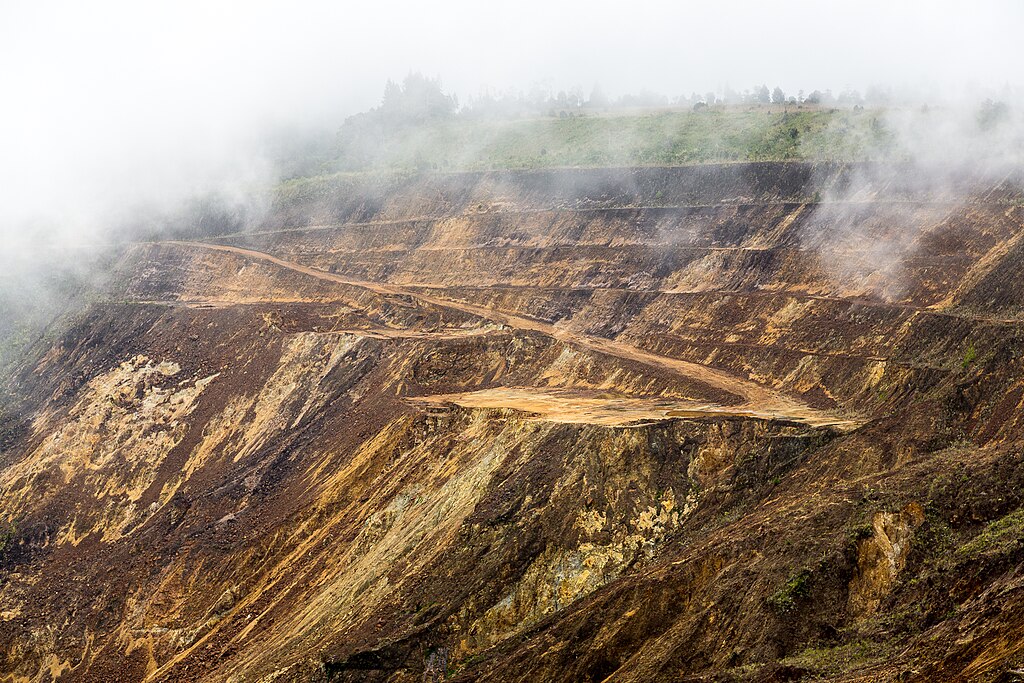
Venezuela's ruling National Assembly has passed an initial vote on a landmark mining law designed to attract private and foreign investment into the country's vast mineral sector. The legislation, backed by Acting President Delcy Rodriguez's socialist government, represents one of the most significant economic policy shifts the country has seen in decades.
The proposed law repeals a 1999 mining regulation, extending concession periods from 20 to 30 years and granting companies the right to extract gold, diamonds, and rare earth minerals. While mineral deposits would remain state property, the draft legislation introduces international arbitration for dispute resolution and revised tax structures for mining operations — two provisions widely seen as confidence-building measures for foreign investors.
The move is part of a broader series of U.S.-supported economic reforms following a January raid by American forces that resulted in the capture of President Nicolás Maduro. The Trump administration has been openly supportive of Rodriguez's pro-market direction, with U.S. Interior Secretary Doug Burgum visiting Venezuela last week to express optimism about investment opportunities the new law could unlock.
Shortly after Burgum's visit, Washington issued a license permitting certain transactions involving Venezuelan gold, including dealings with state-owned mining company Minerven, provided contracts fall under U.S. jurisdiction.
The bill still requires two legislative debates before formal passage, though approval is widely anticipated given the ruling party's legislative majority. Some opposition lawmakers abstained, citing insufficient time to review the draft before voting began.
Venezuela holds potential reserves of rare earth elements — 17 metals critical to modern technology and clean energy — though formal exploration has yet to confirm the full extent of those deposits. The country also carries billions in outstanding debt to international mining and energy conglomerates stemming from nationalizations carried out roughly 20 years ago.







