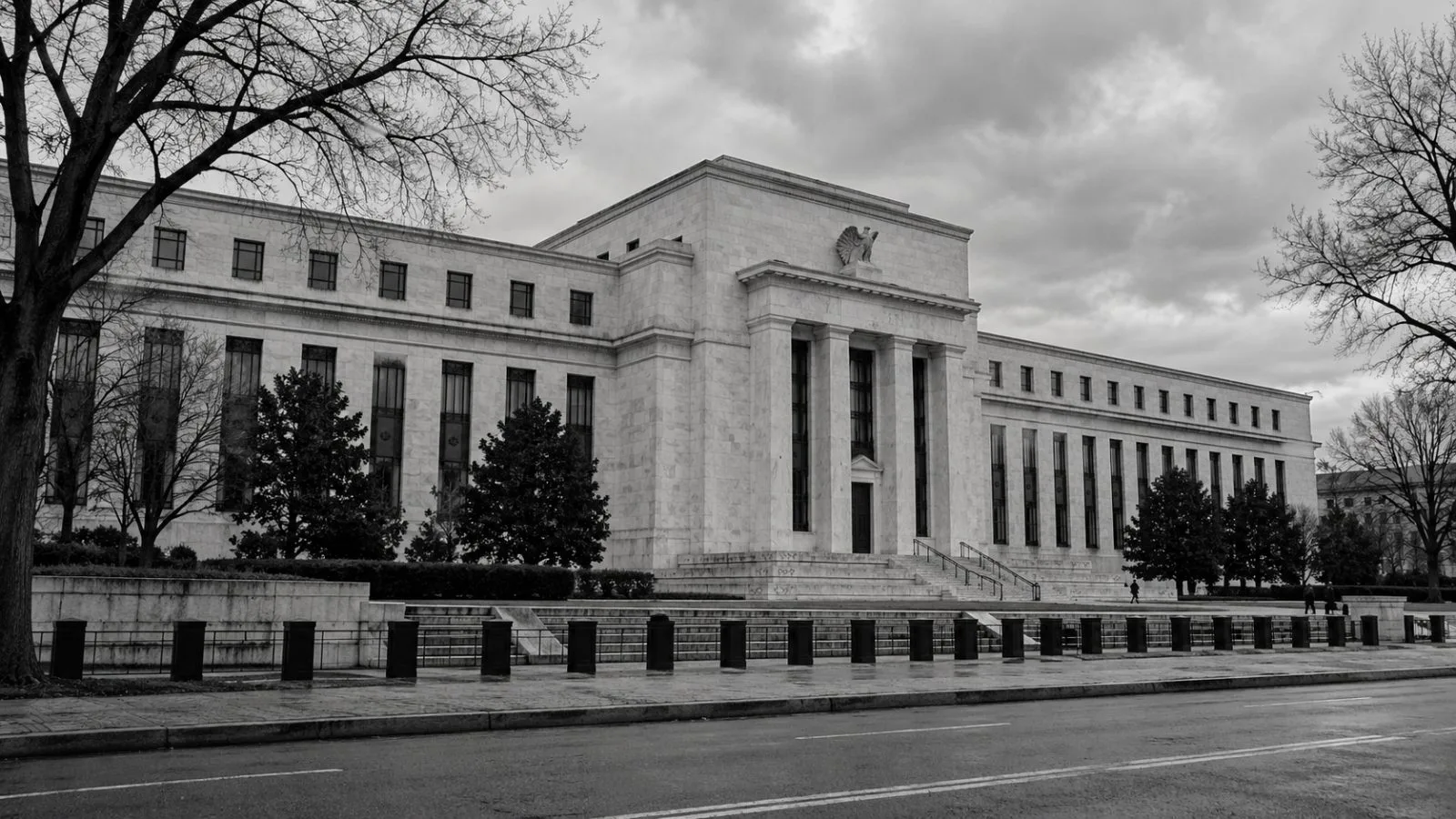
The Fed kept its federal funds target range unchanged Wednesday as Iran diplomacy remained disputed, while FXStreet placed West Texas Intermediate (WTI) crude near $102 a barrel in an afternoon snapshot.
At 2:11 p.m. ET (18:11 UTC) Oct. 28, FXStreet reported WTI near $102. Its snapshot followed an earlier dip below $100, while the day’s peak before the Federal Reserve decision had come in just under $103.
The Federal Open Market Committee (FOMC) voted 10-2 to maintain its target range at 3.75% to 4%. FOMC members Lisa D. Cook and Beth M. Hammack favored a 0.25-percentage-point increase. The committee said, “Inflation remains elevated.”
Reuters reported that an unnamed official briefed on negotiations said Qatari mediators presented Iran with a draft deal on Sunday. The official said Tehran was considering it, expected a response by the end of the week and described daily actions by both sides over a week. A senior Iranian official involved in the talks, also unnamed, told Reuters Qatar had presented “unacceptable ideas and not an offer.” The accounts leave the draft deal’s status disputed. Reuters said an interim agreement reached in June did not last.
The U.S. Energy Information Administration (EIA) said commercial crude stocks, excluding the Strategic Petroleum Reserve, fell 1.9 million barrels to 410.6 million in the week ending Oct. 23. Motor gasoline inventories rose 3.9 million barrels to 209.2 million.
The World Bank projected global oil supply would contract 5.2% in 2026 and consumption would decline 2.5%. It said the supply drop would be the largest in more than four decades outside the 2020 global recession; the consumption decline would rank third-largest, after 2020 and 1980. The bank said conflict had drained oil stocks, while high prices, shortages and electrification—particularly in China—were restraining demand. It warned that the outlook posed risks to inflation, food affordability and growth, especially for the poorest people and low-income countries.
The U.S. Bureau of Economic Analysis (BEA) is scheduled to release its advance estimate of third-quarter 2026 gross domestic product on Oct. 29 at 8:30 a.m. EDT.